

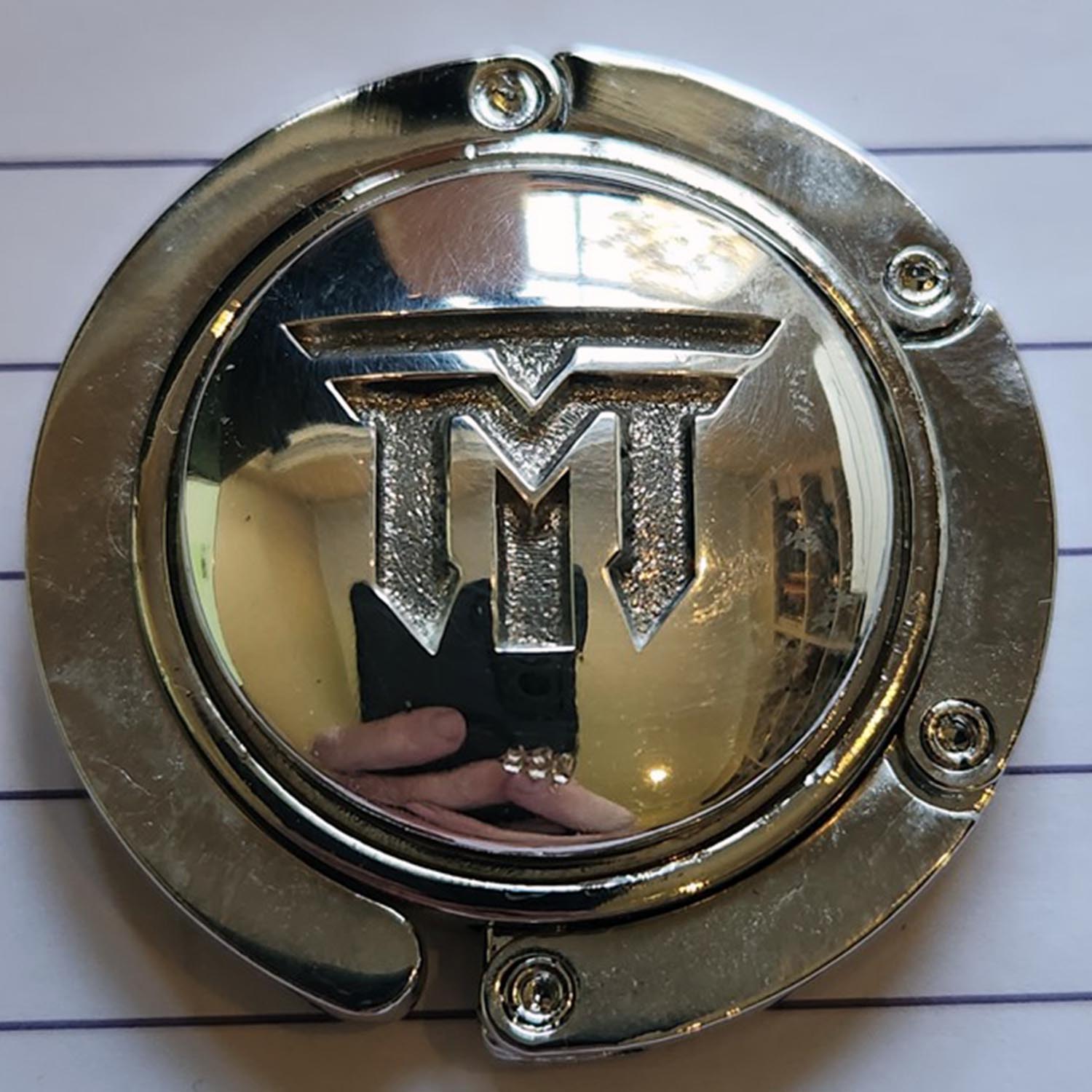
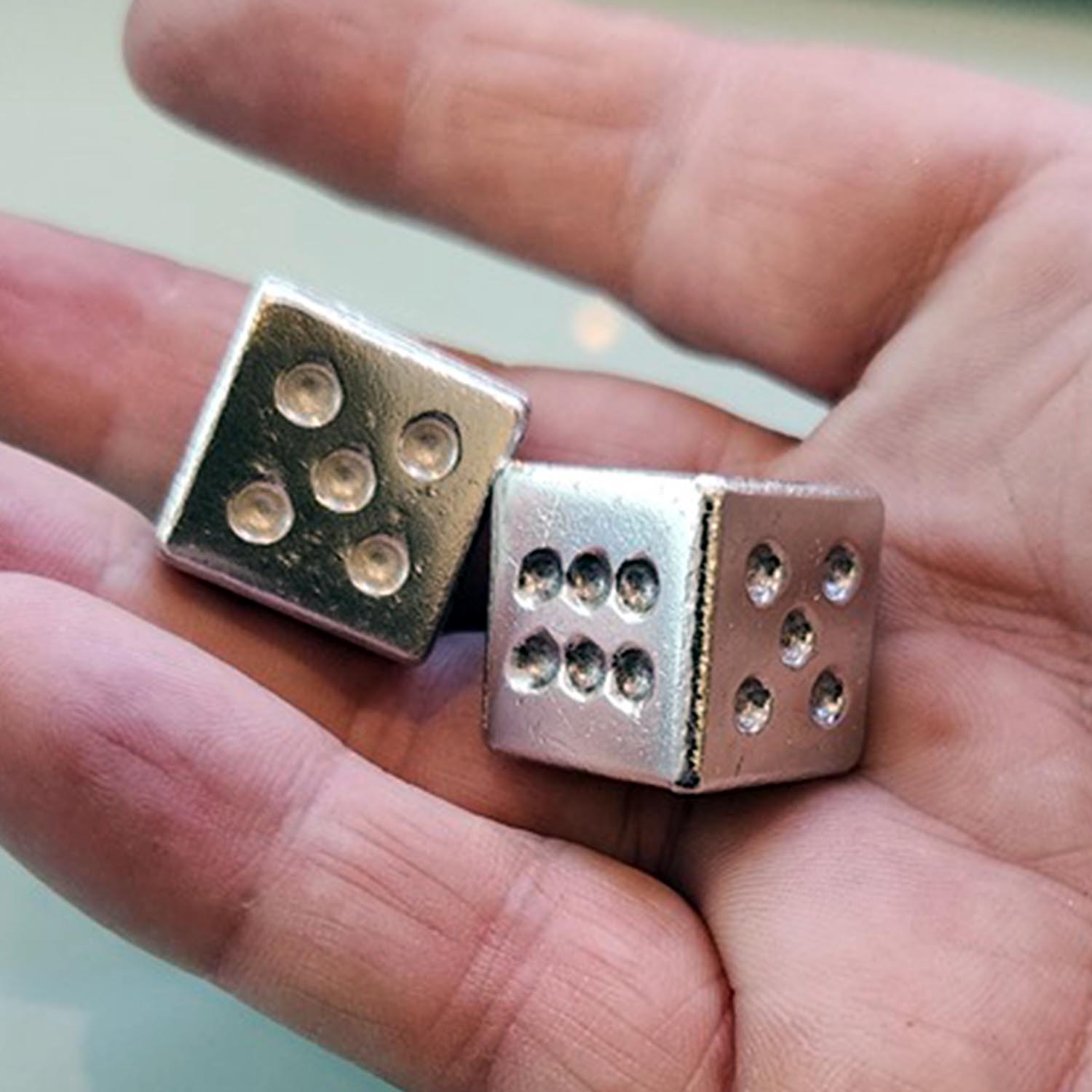
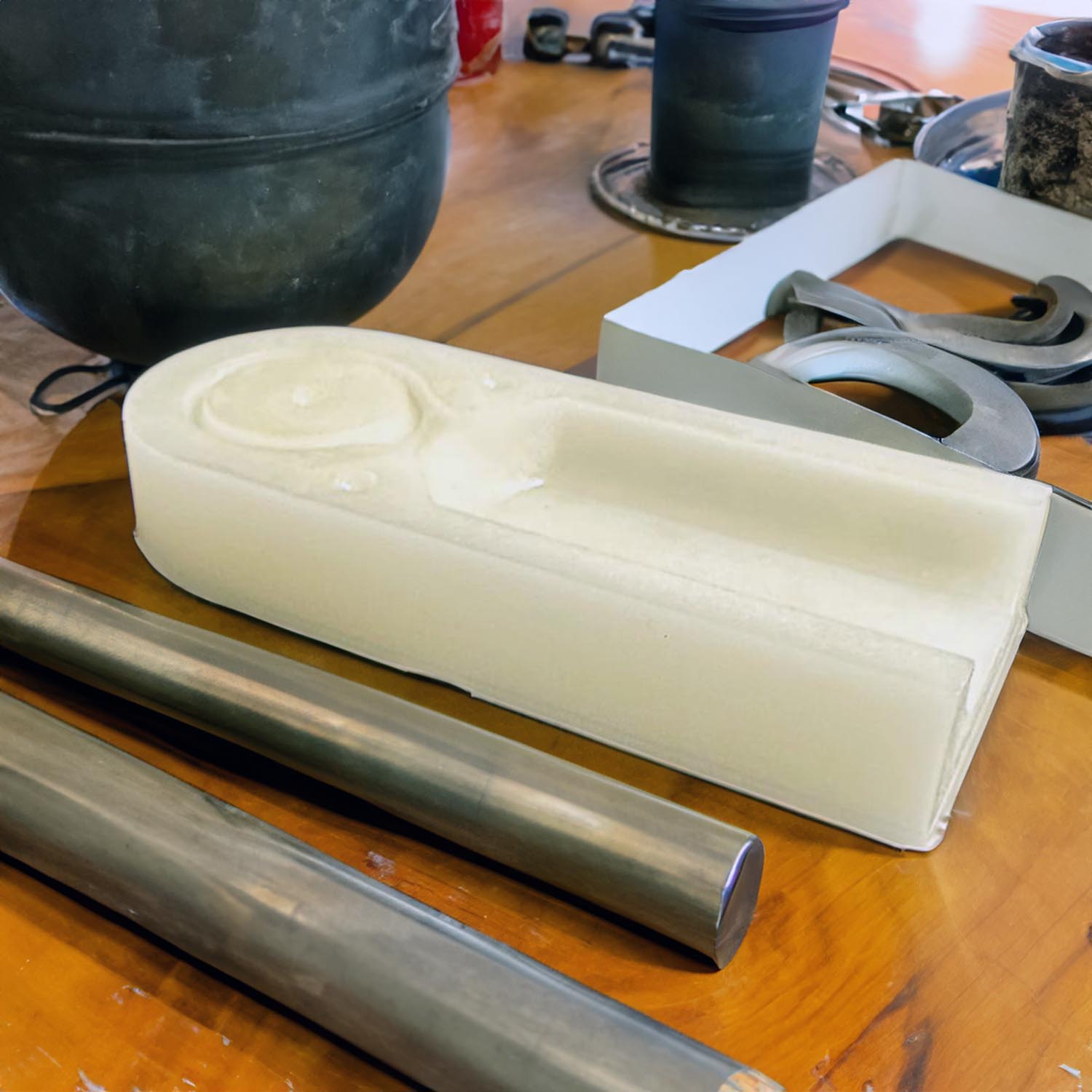
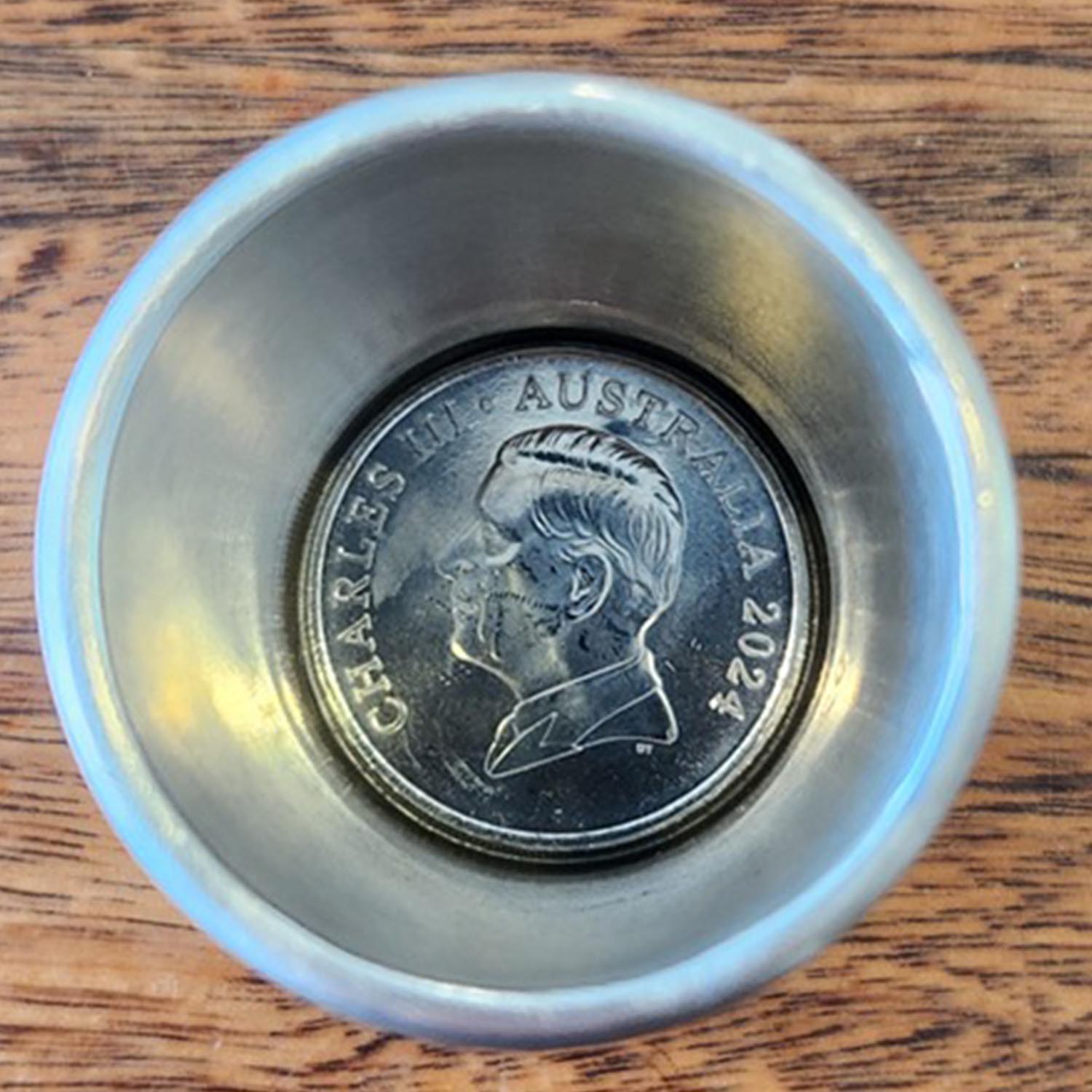
ThermaCAST Resin | 3D Print. Cast Metal. Repeat.
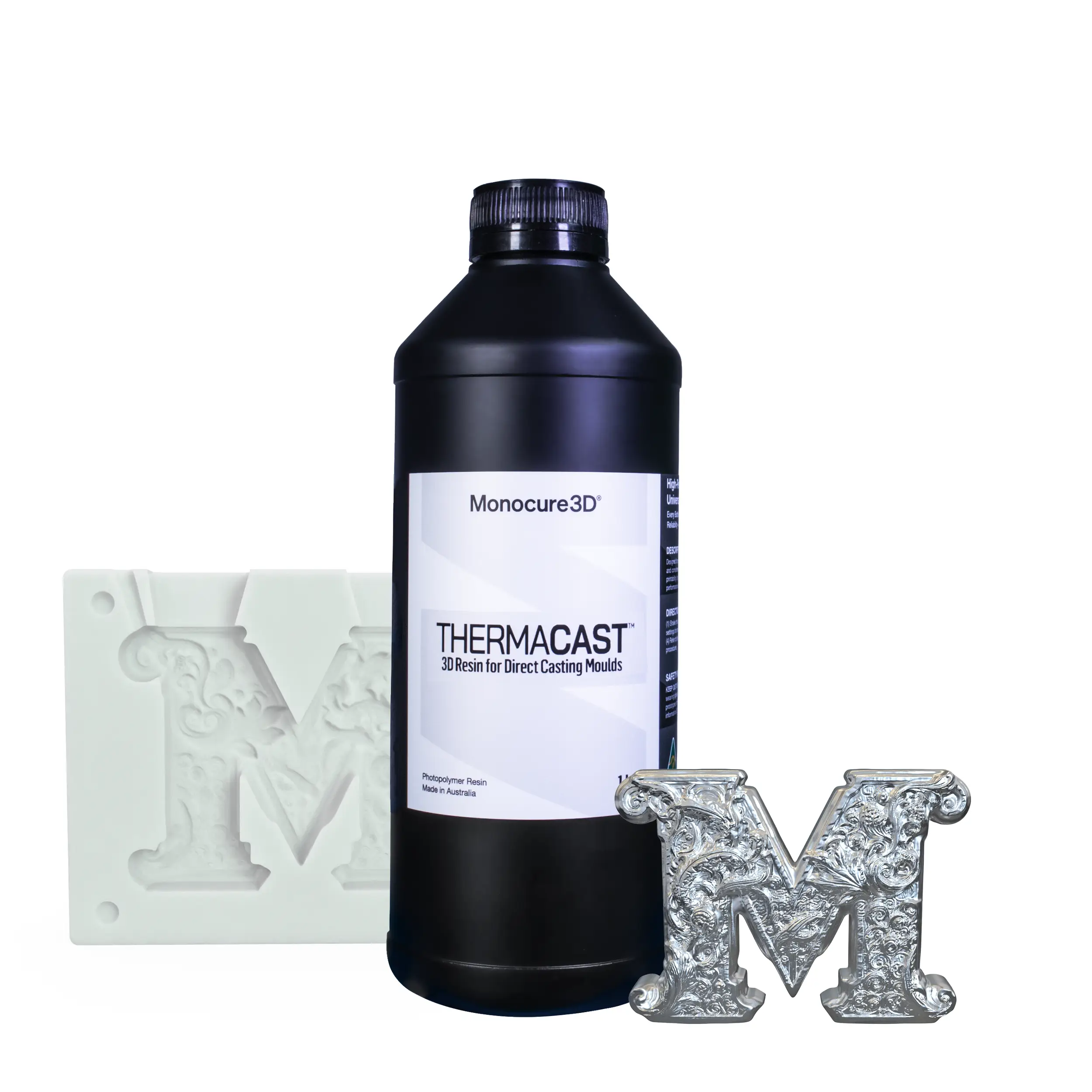
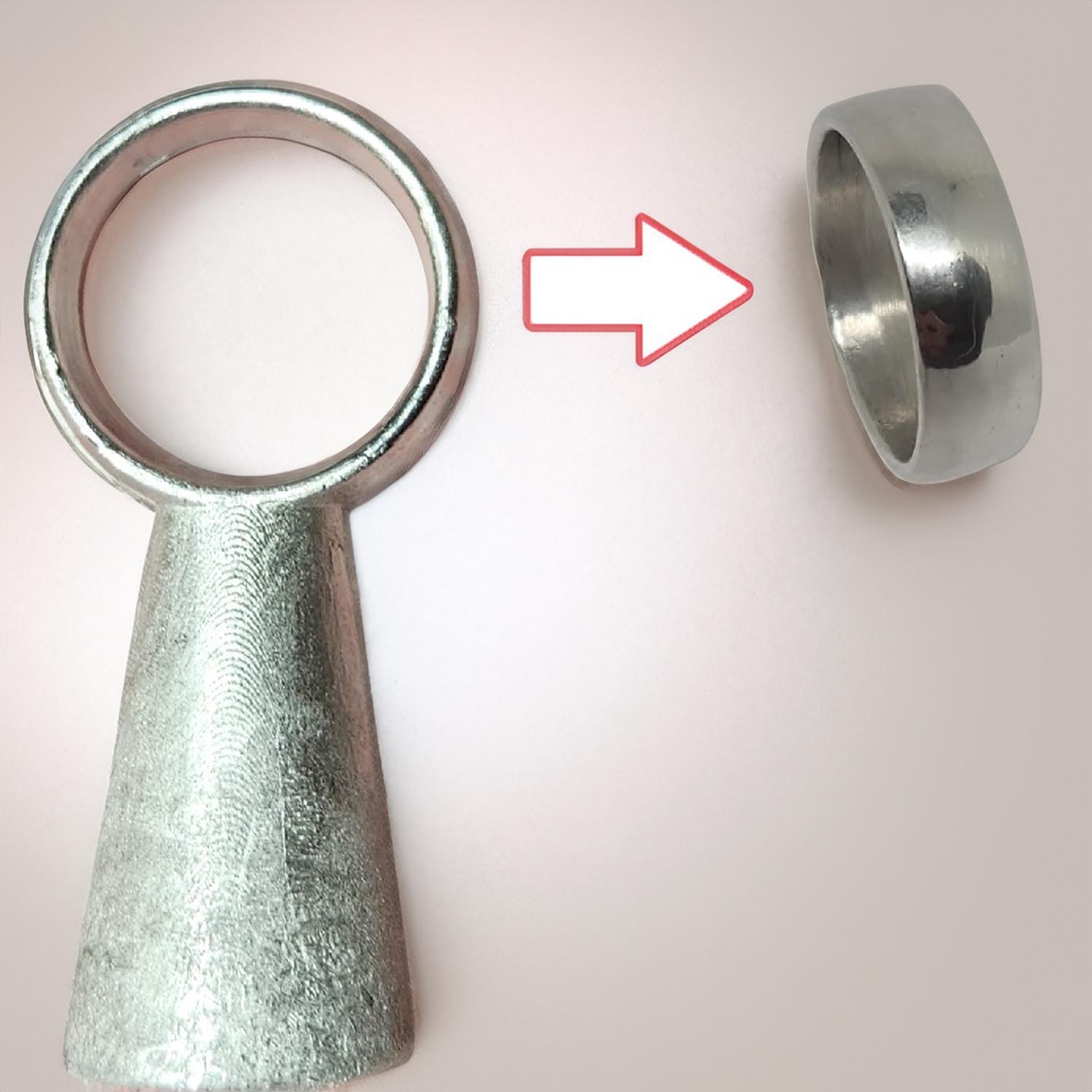
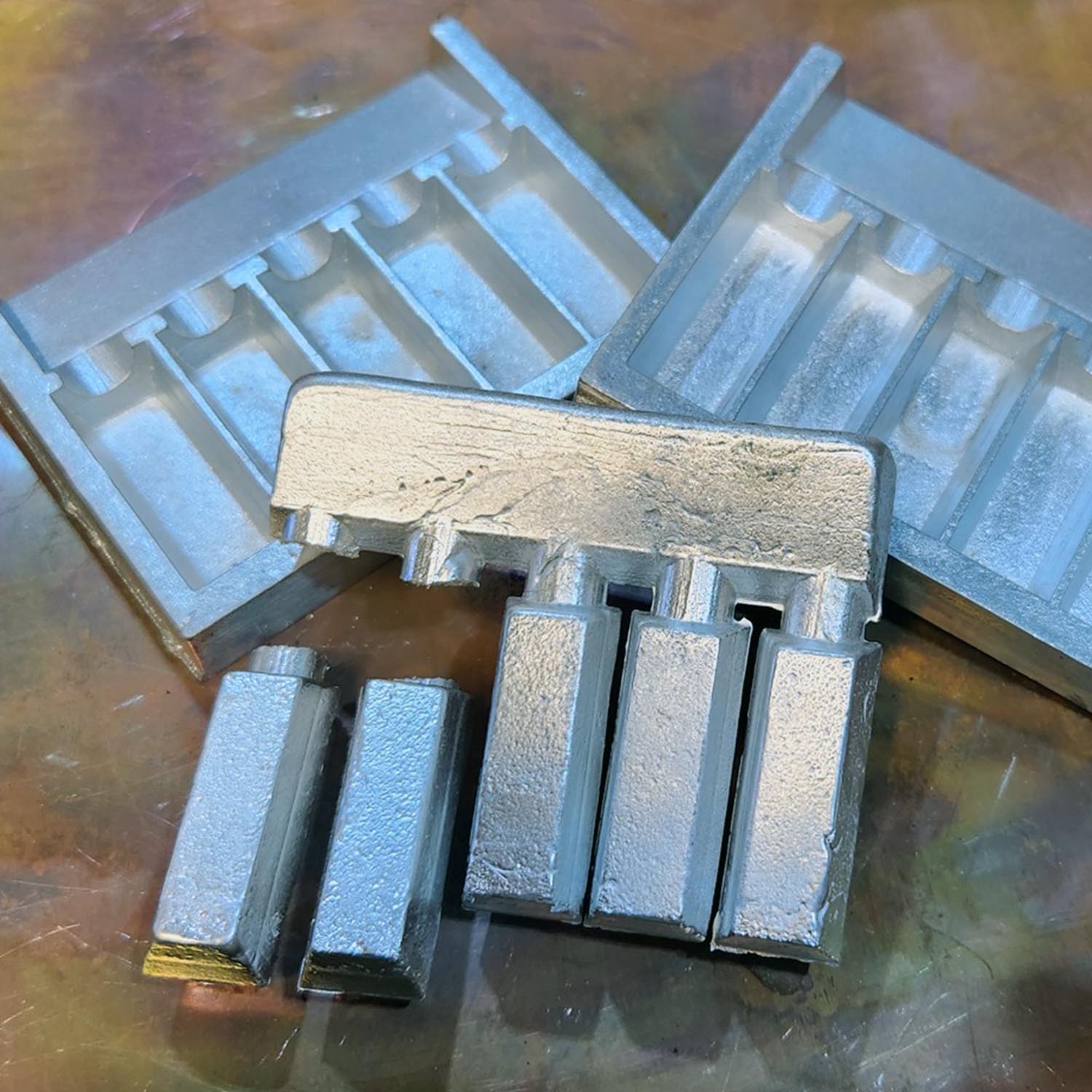
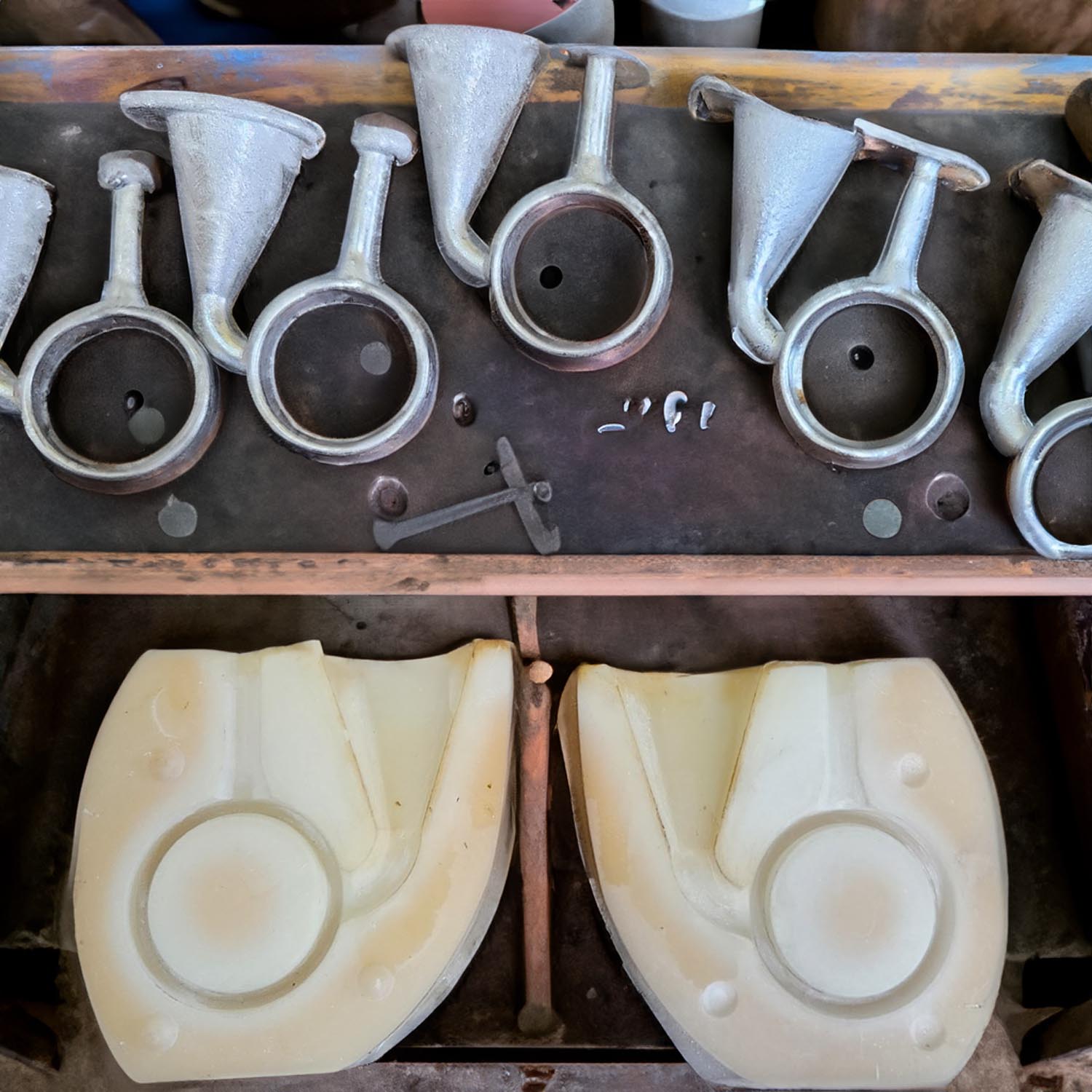
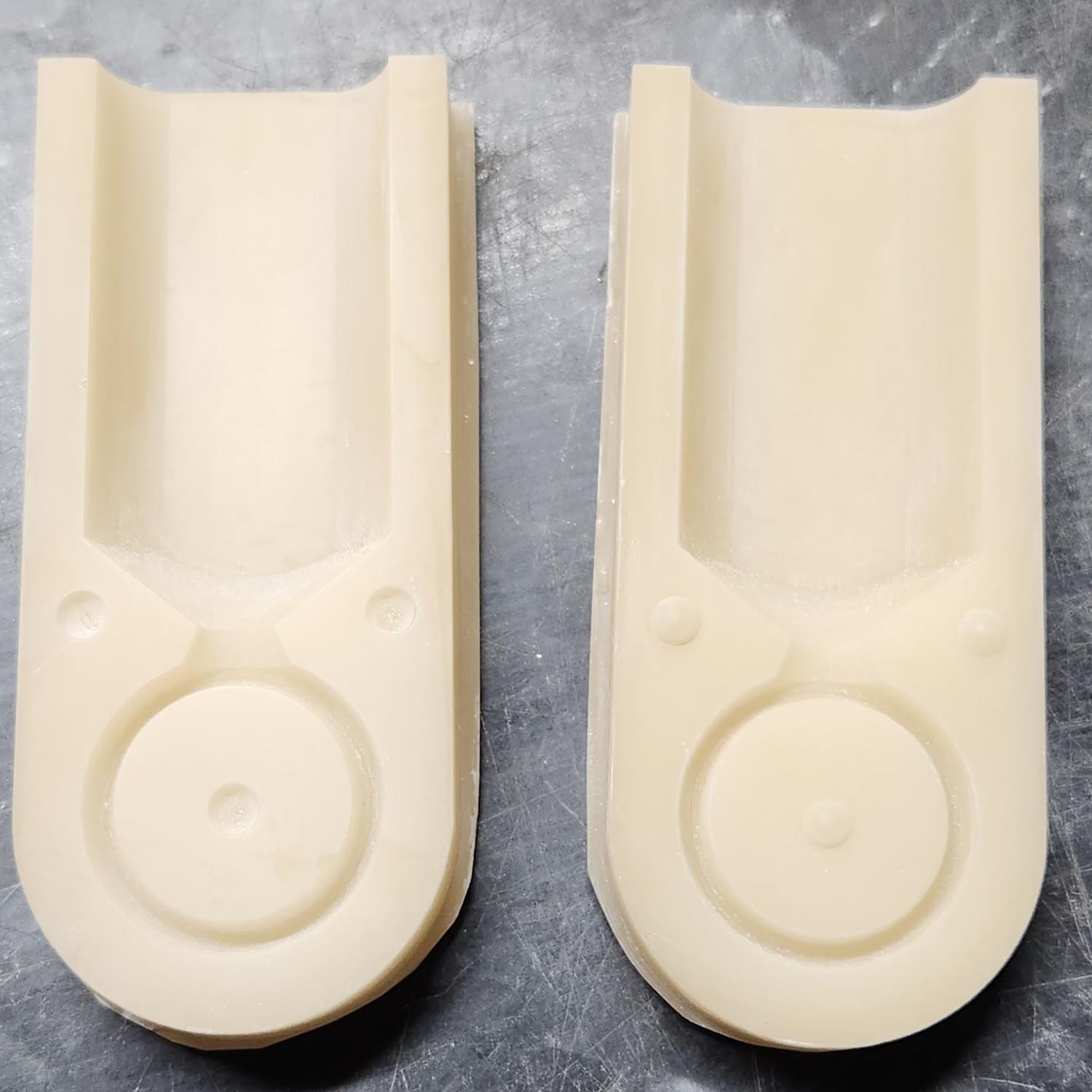
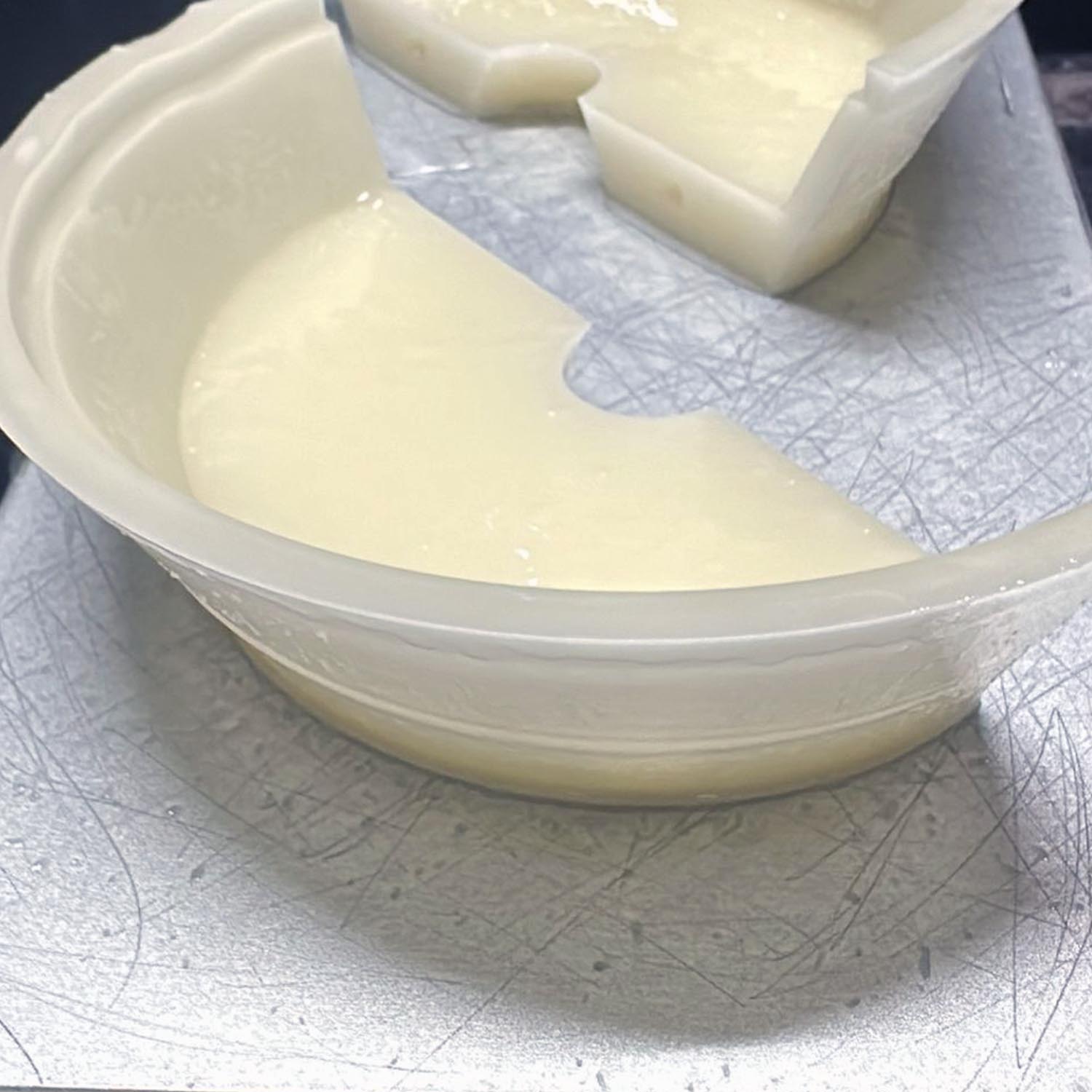
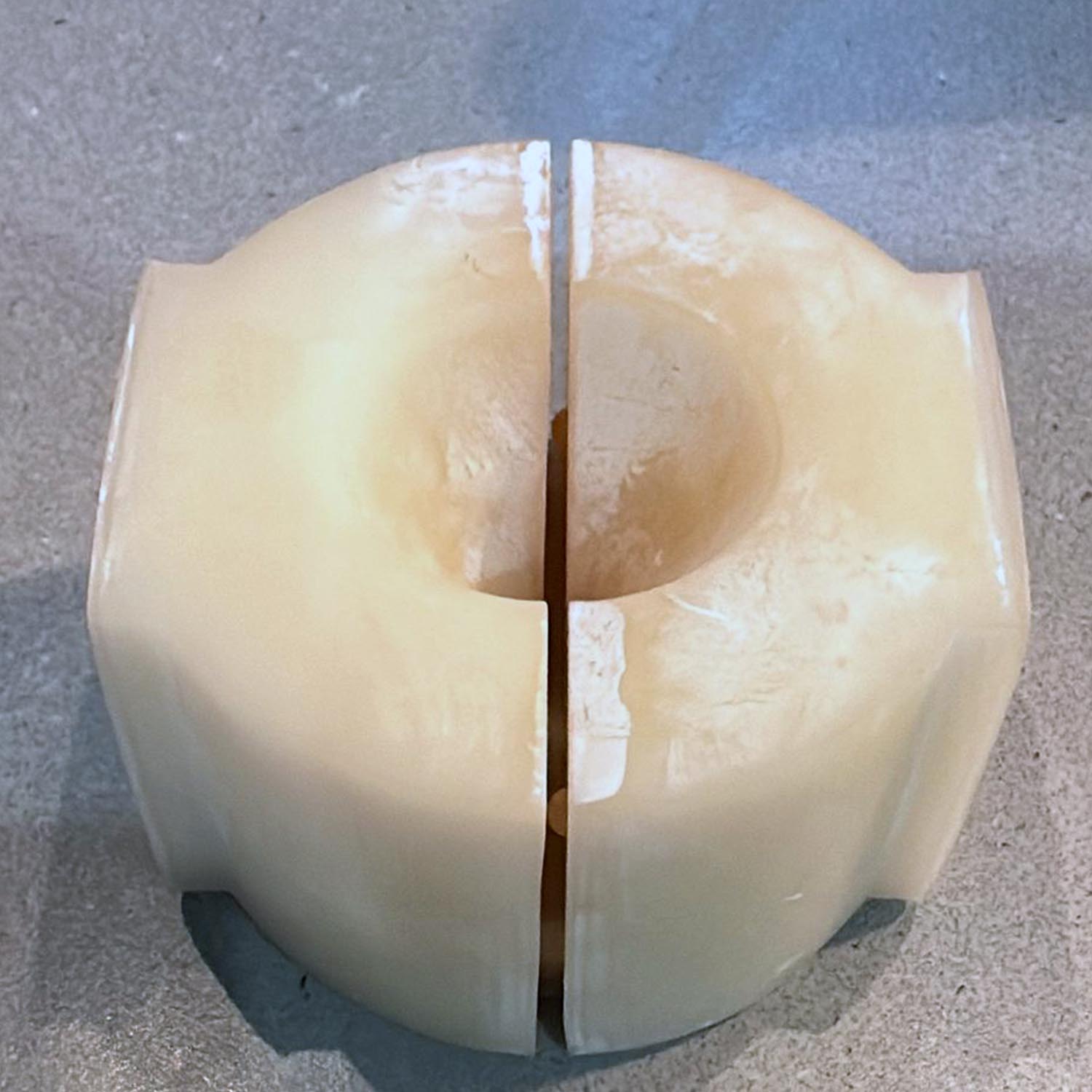
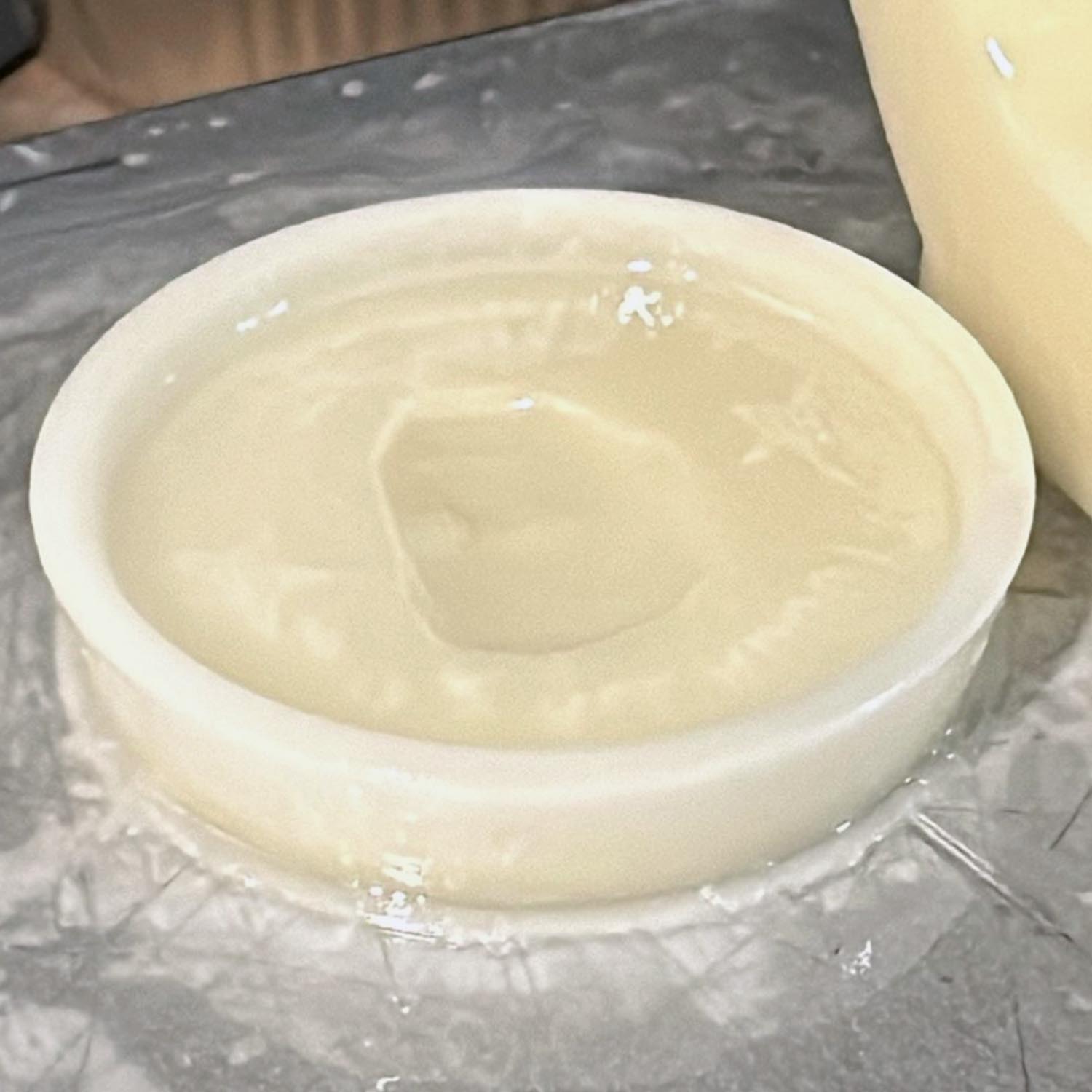
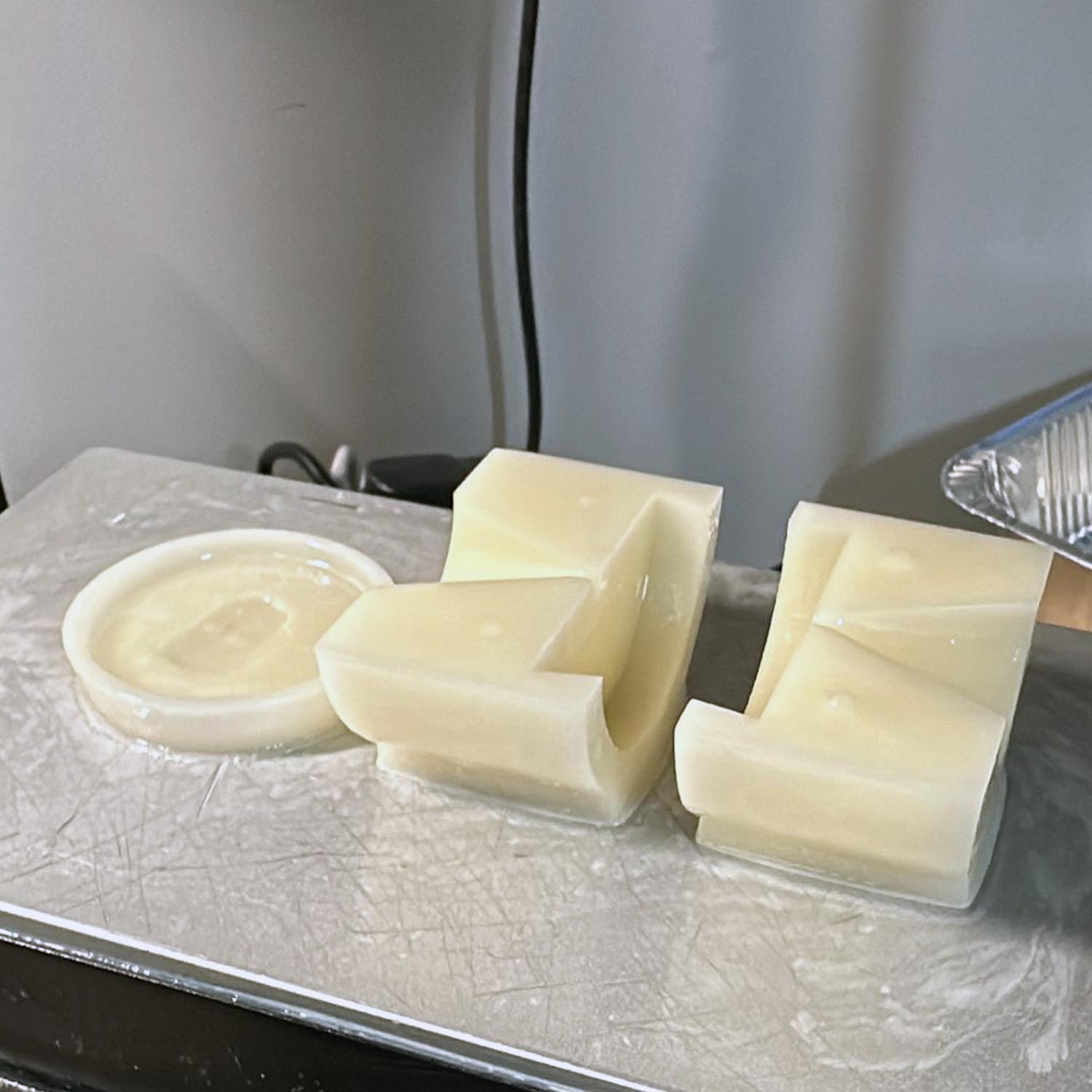
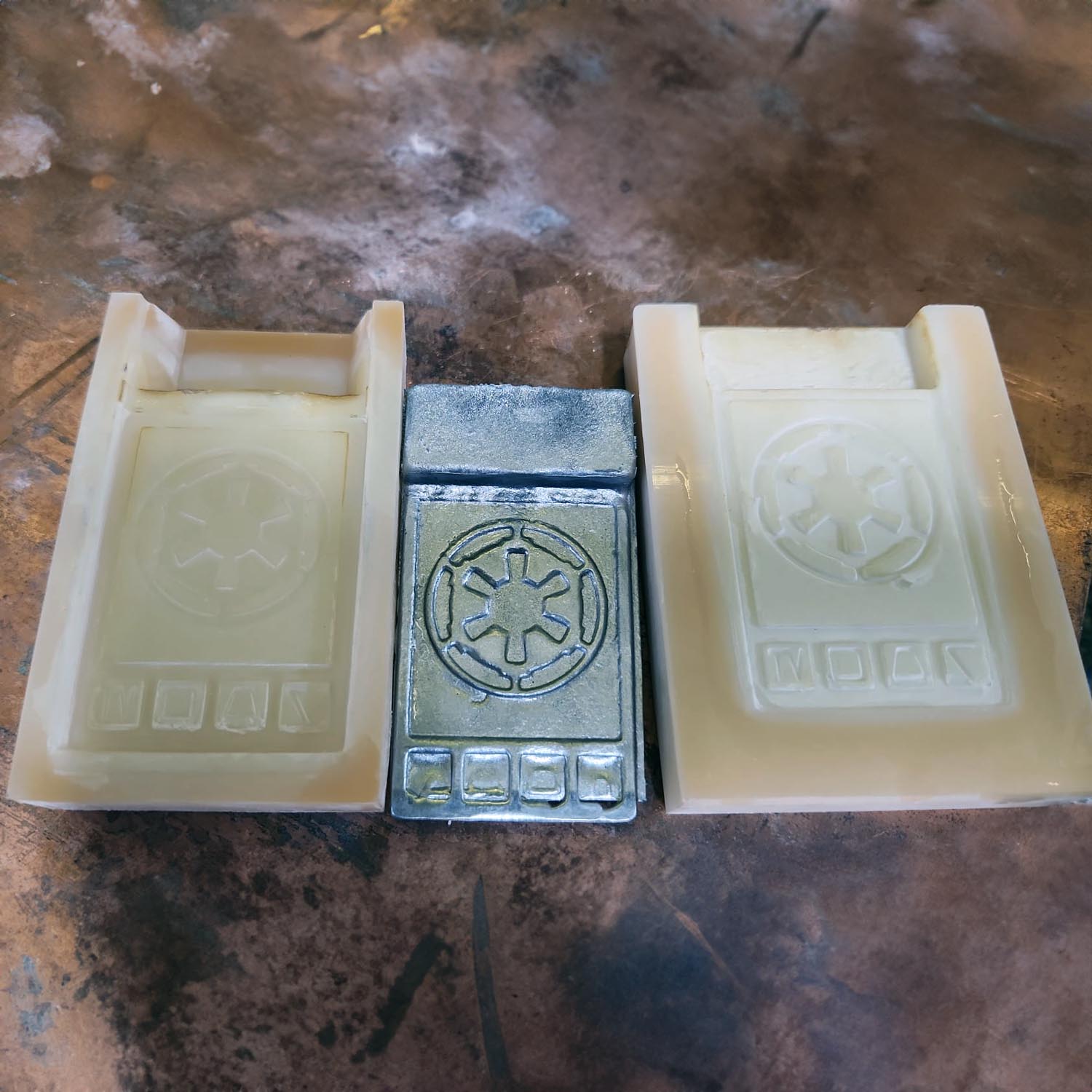
ThermaCAST™ is a high-performance resin designed for direct metal casting, withstanding temperatures up to 550°C*. Achieve precision, durability, and heat resistance in intricate metal parts.
Description
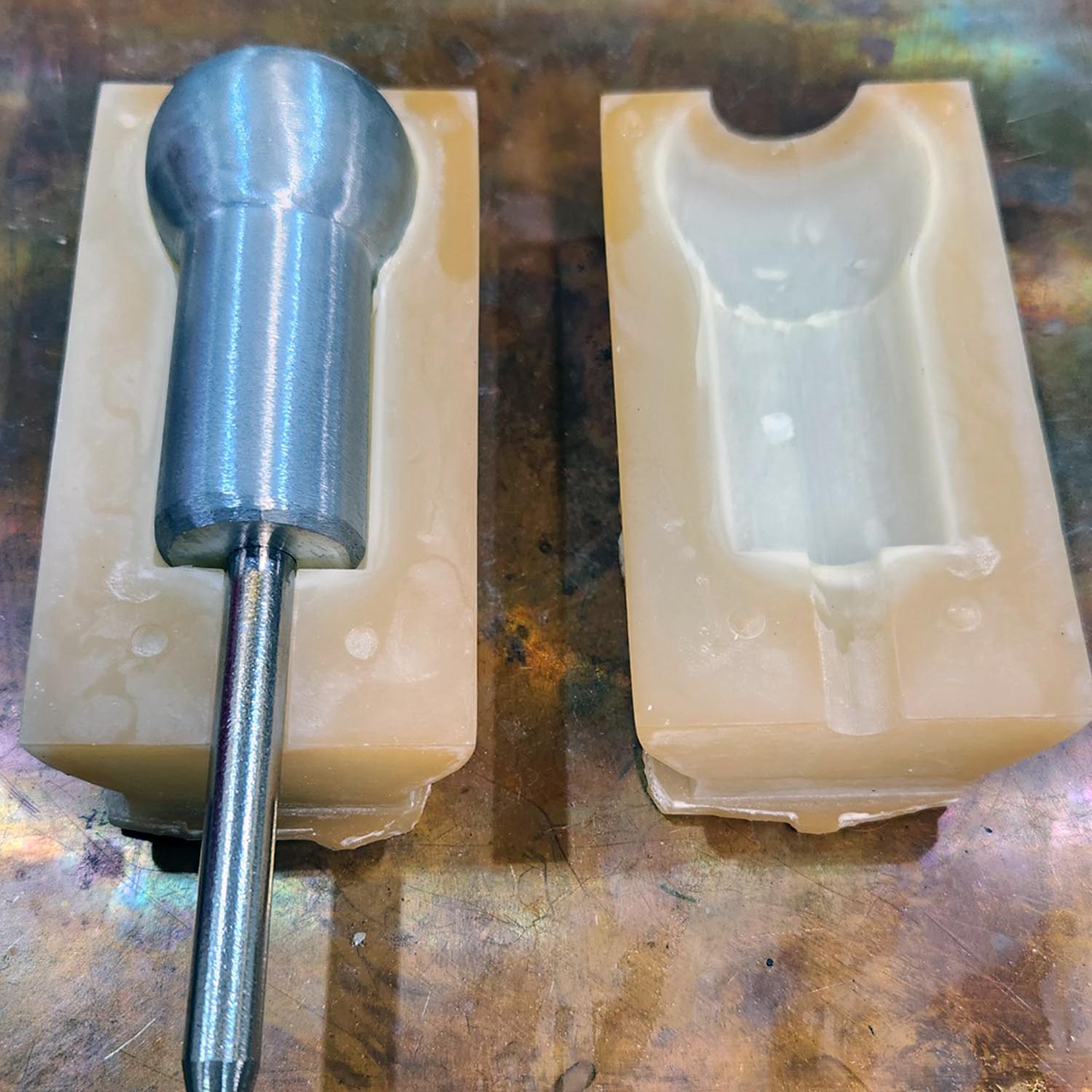
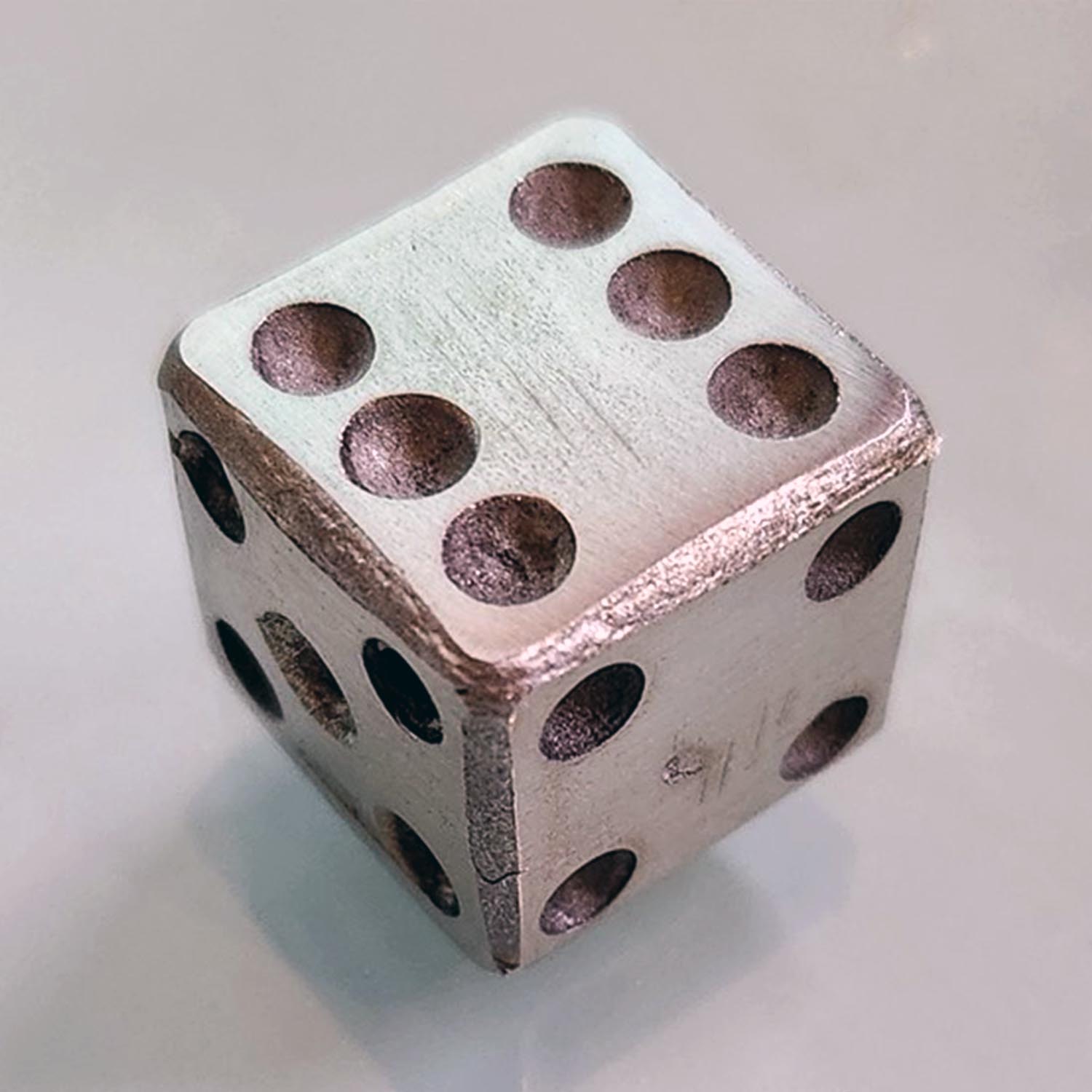
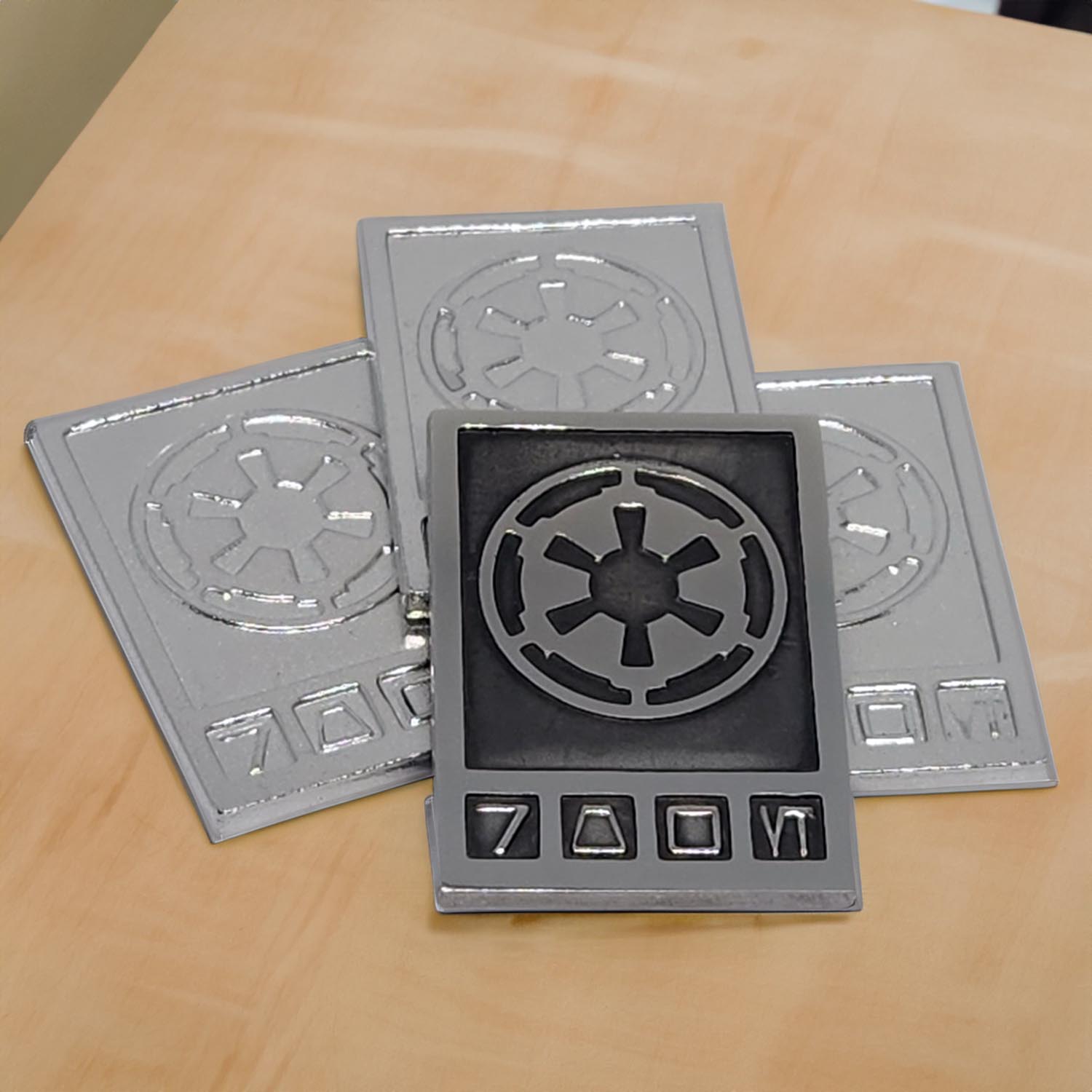
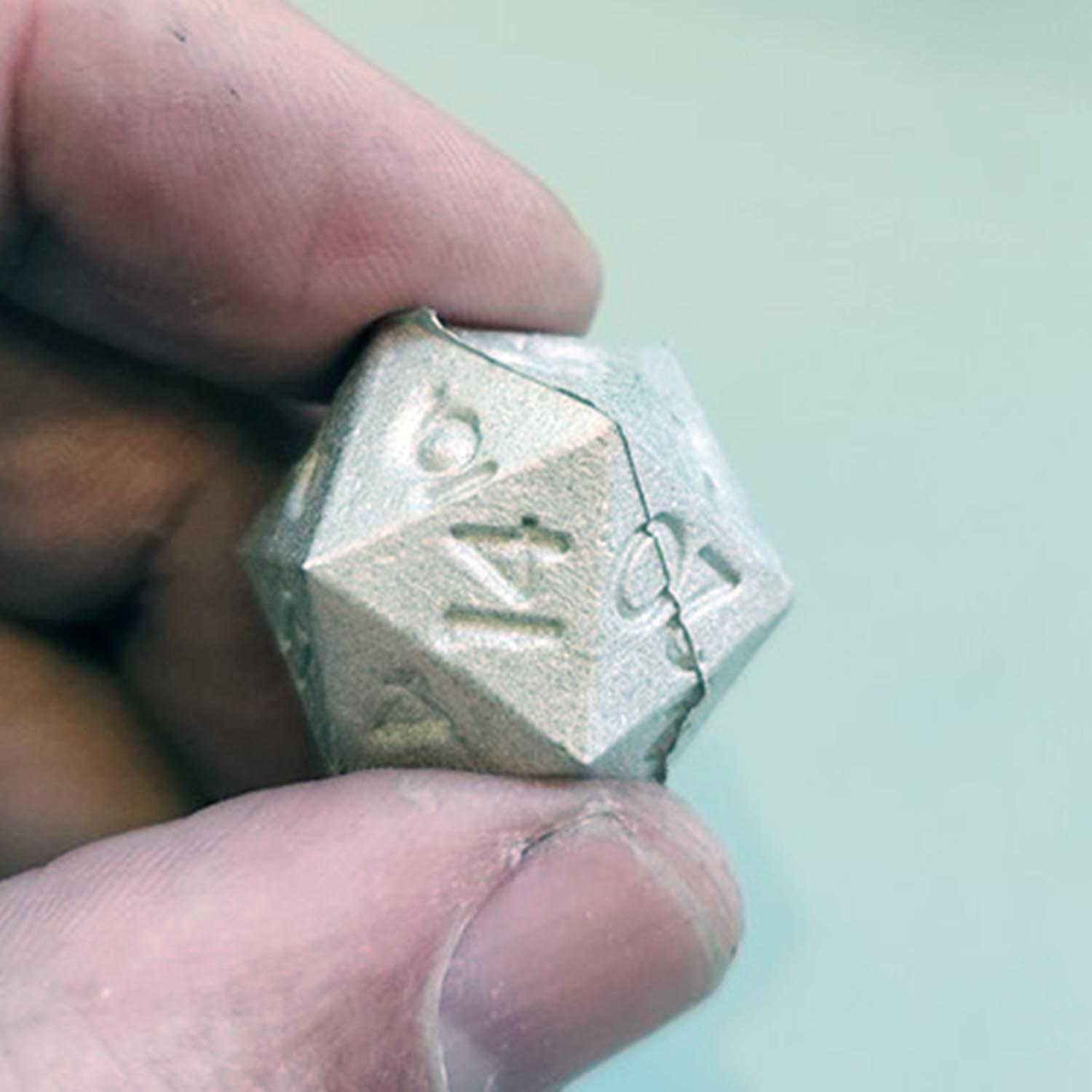
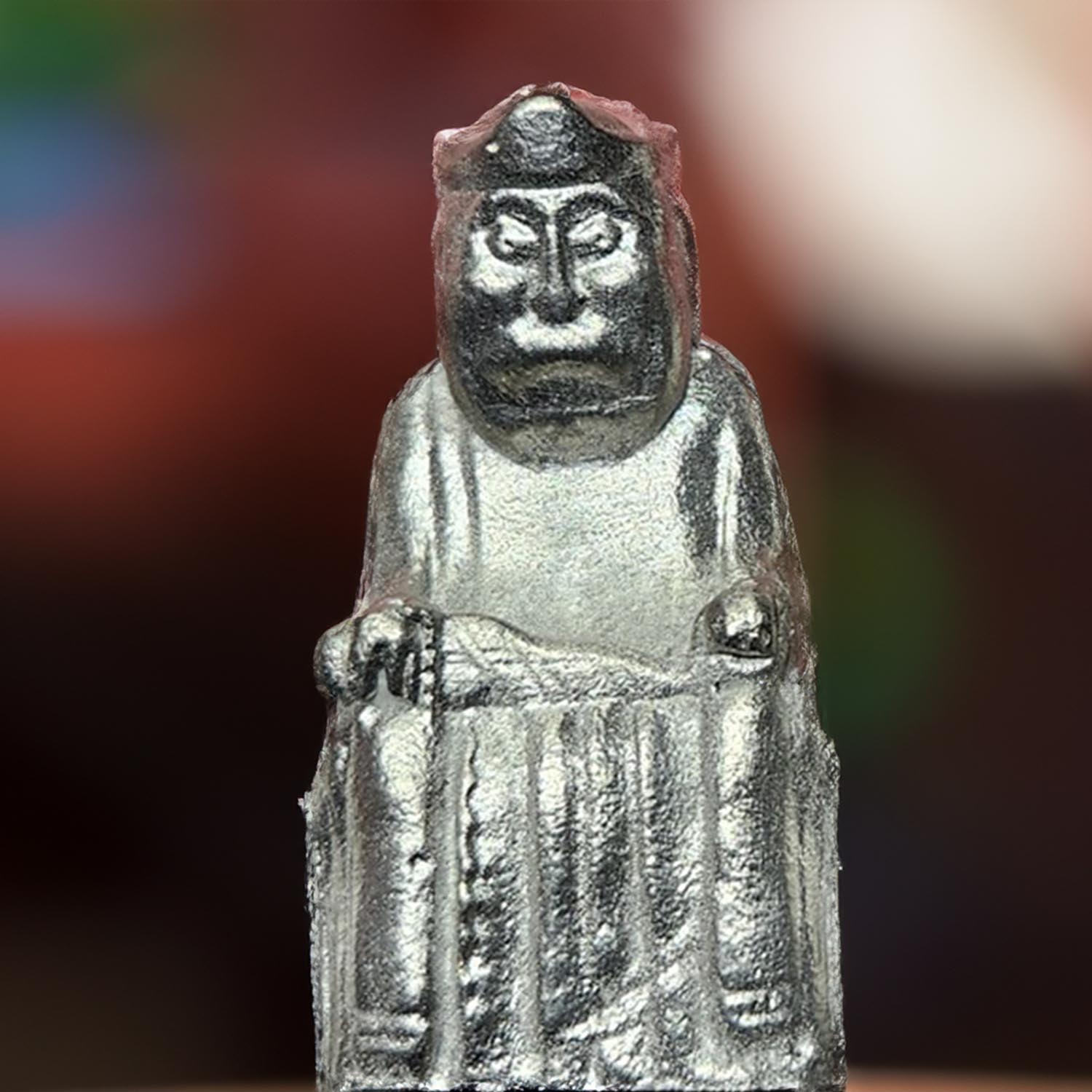
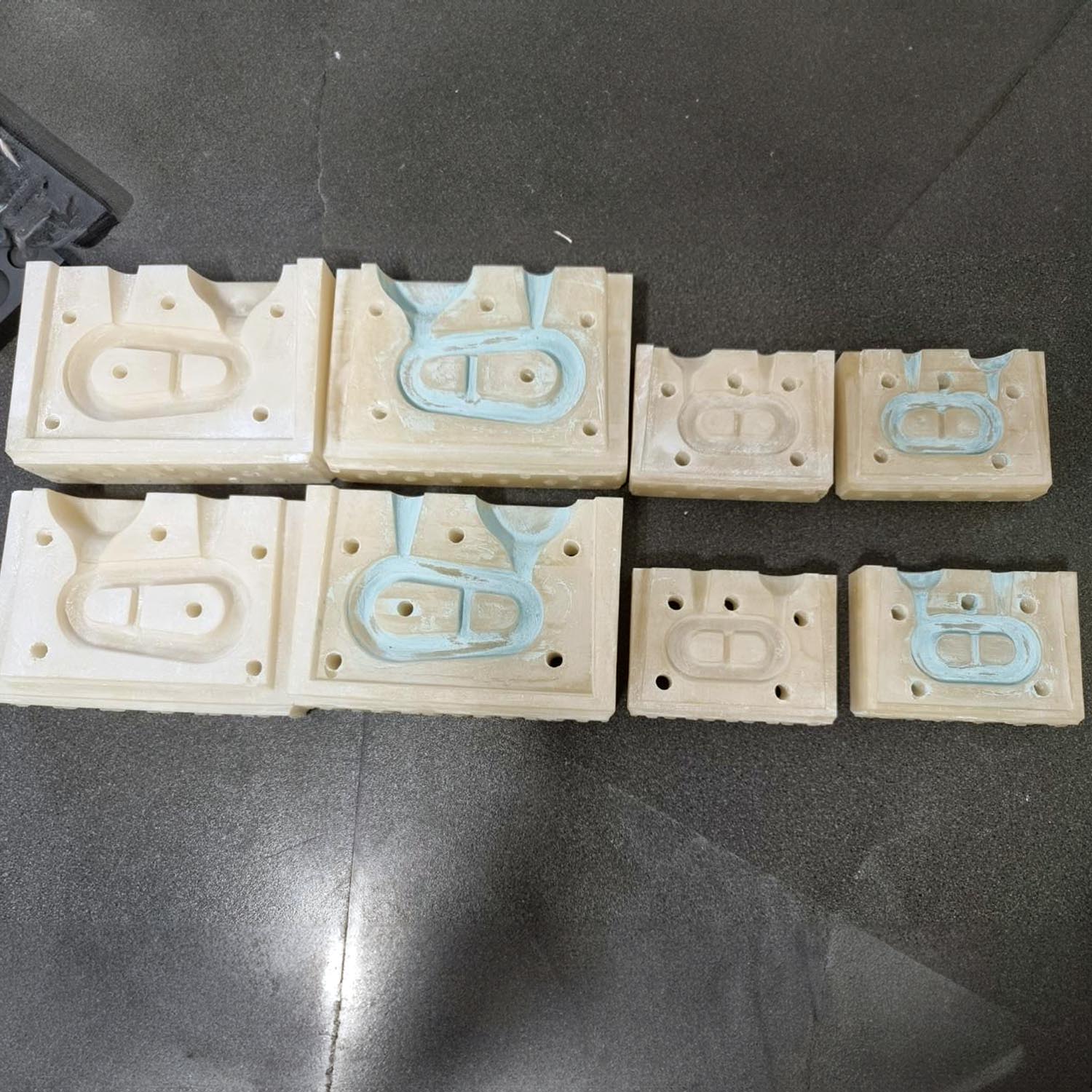
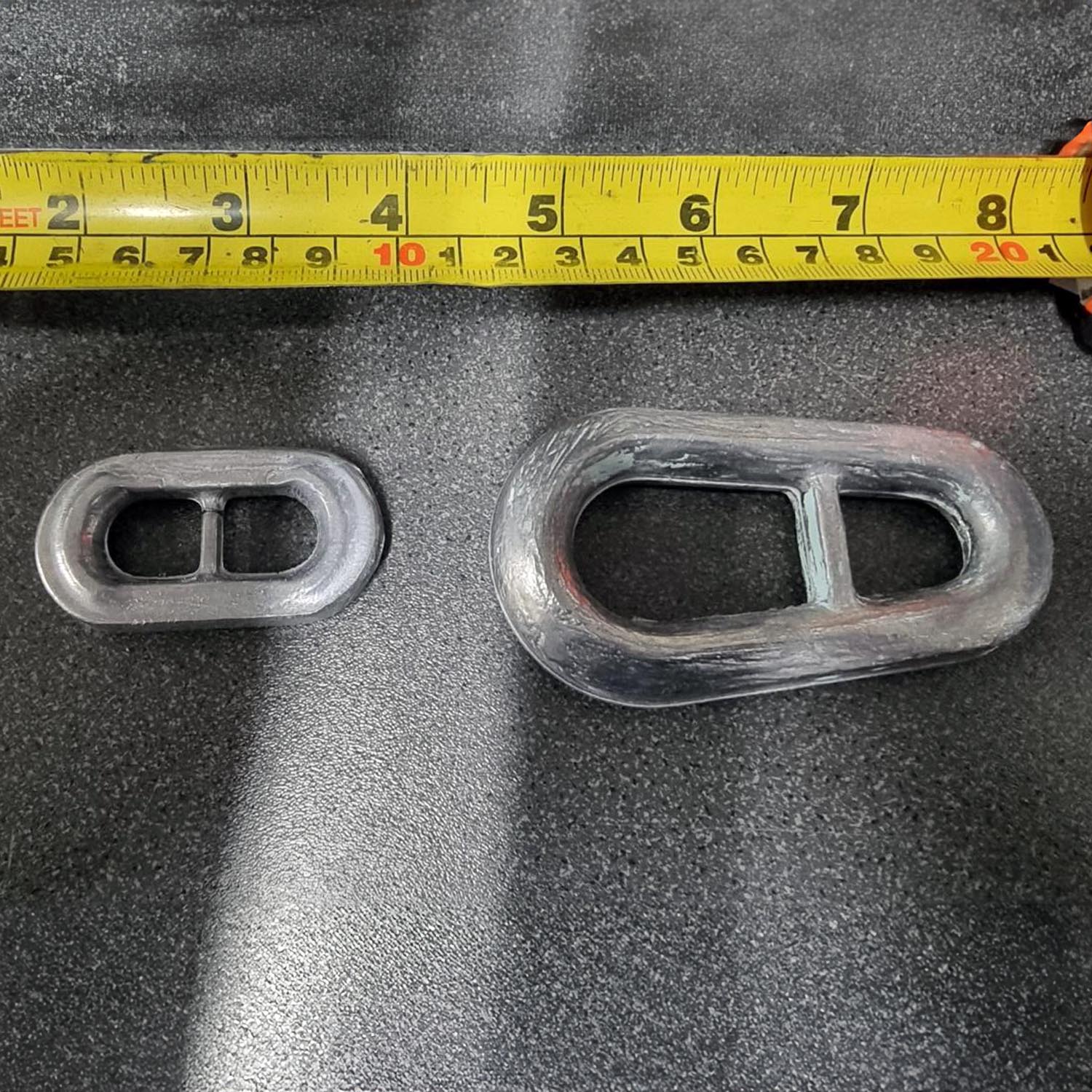
ThermaCAST 3D Printer Resin is a specialised, high-temperature resin designed to create 3D-printed moulds for direct metal casting. This innovative resin withstands temperatures up to 550°C*, making it suitable for casting metals such as pewter, zinc alloys, and more. With exceptional heat resistance and durability, ThermaCAST enables you to transform your 3D printing projects into robust, high-quality metal parts.
Key Applications:
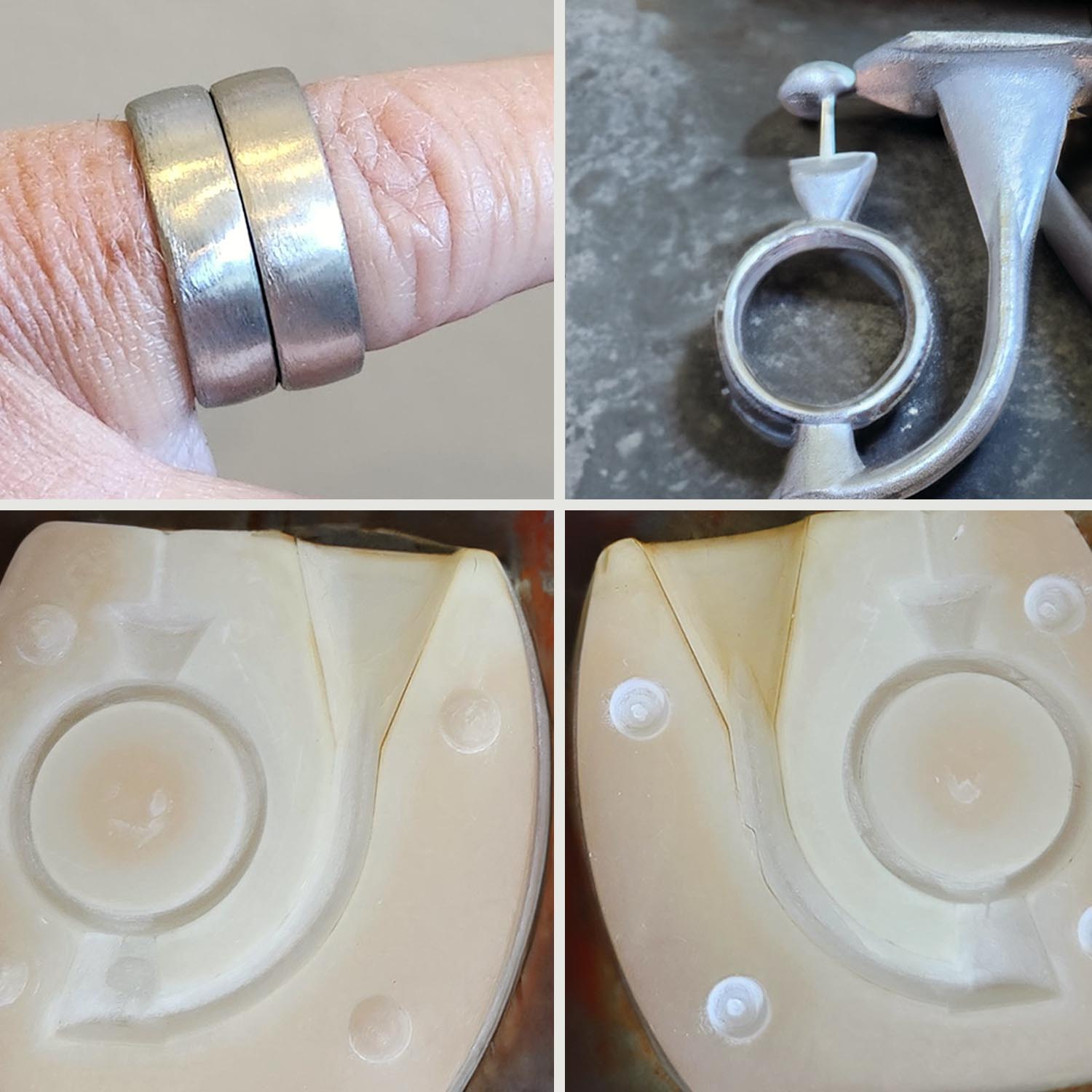
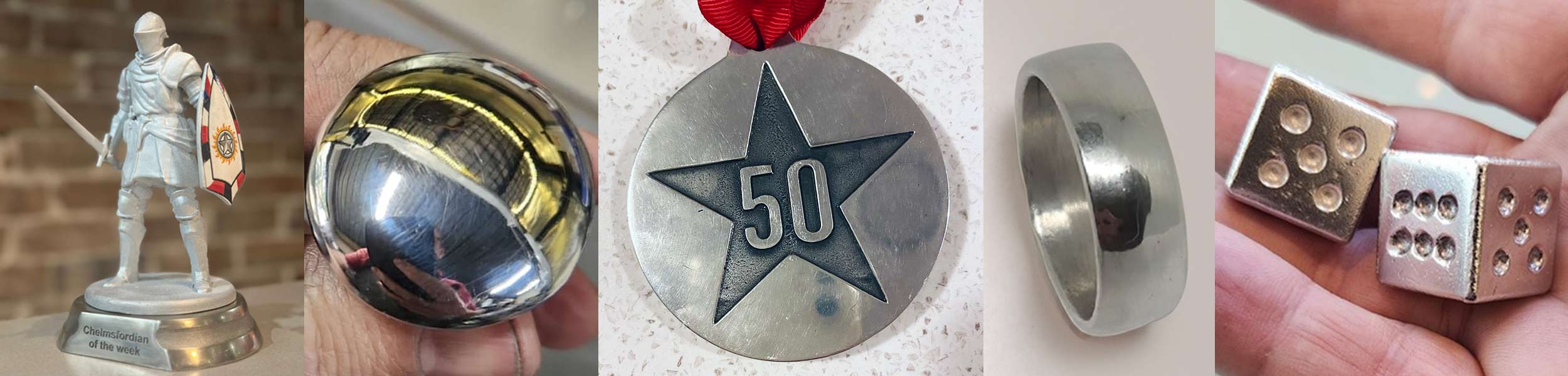
- Jewellery making
- Custom tools and parts
- Automotive and machinery components
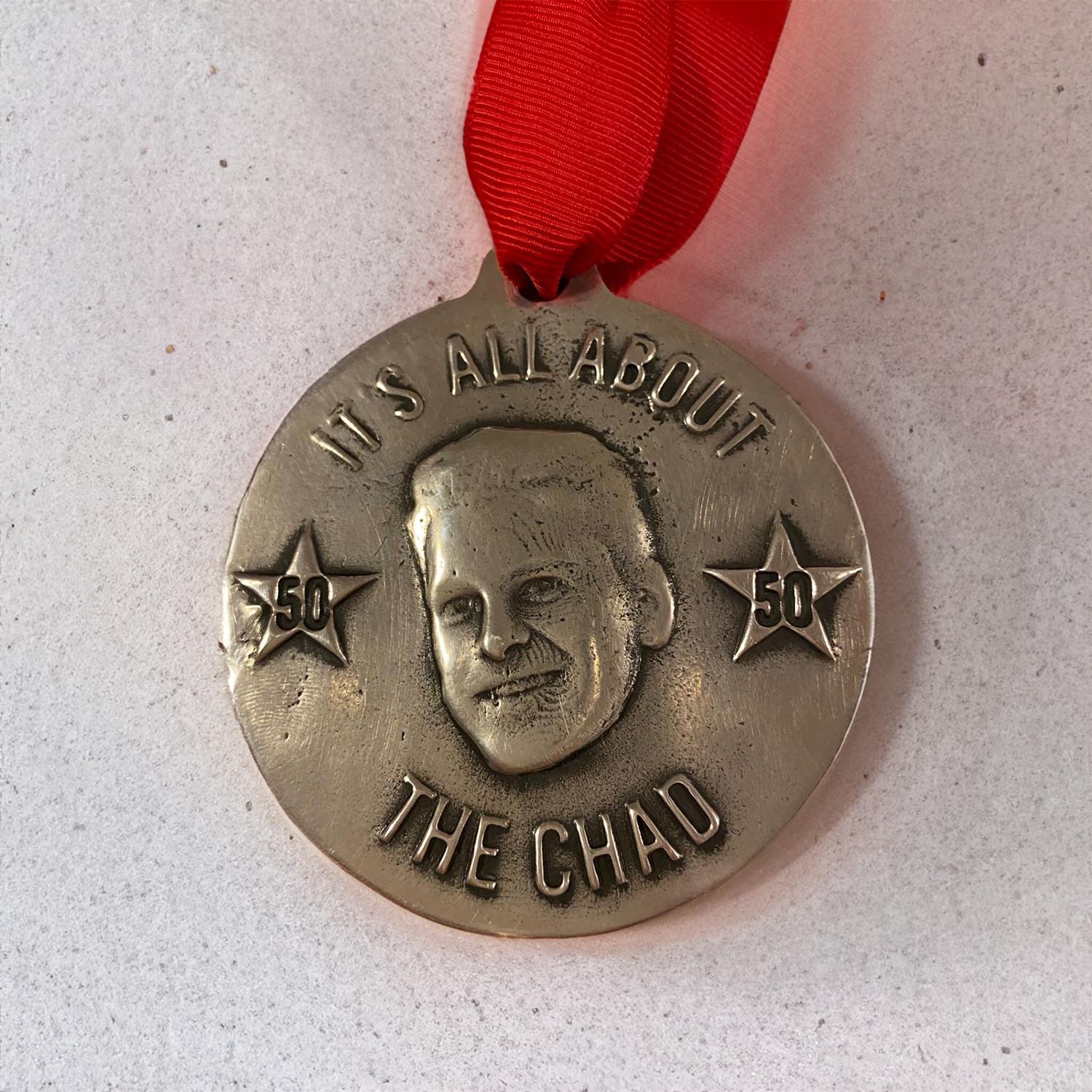
- Trophies and awards
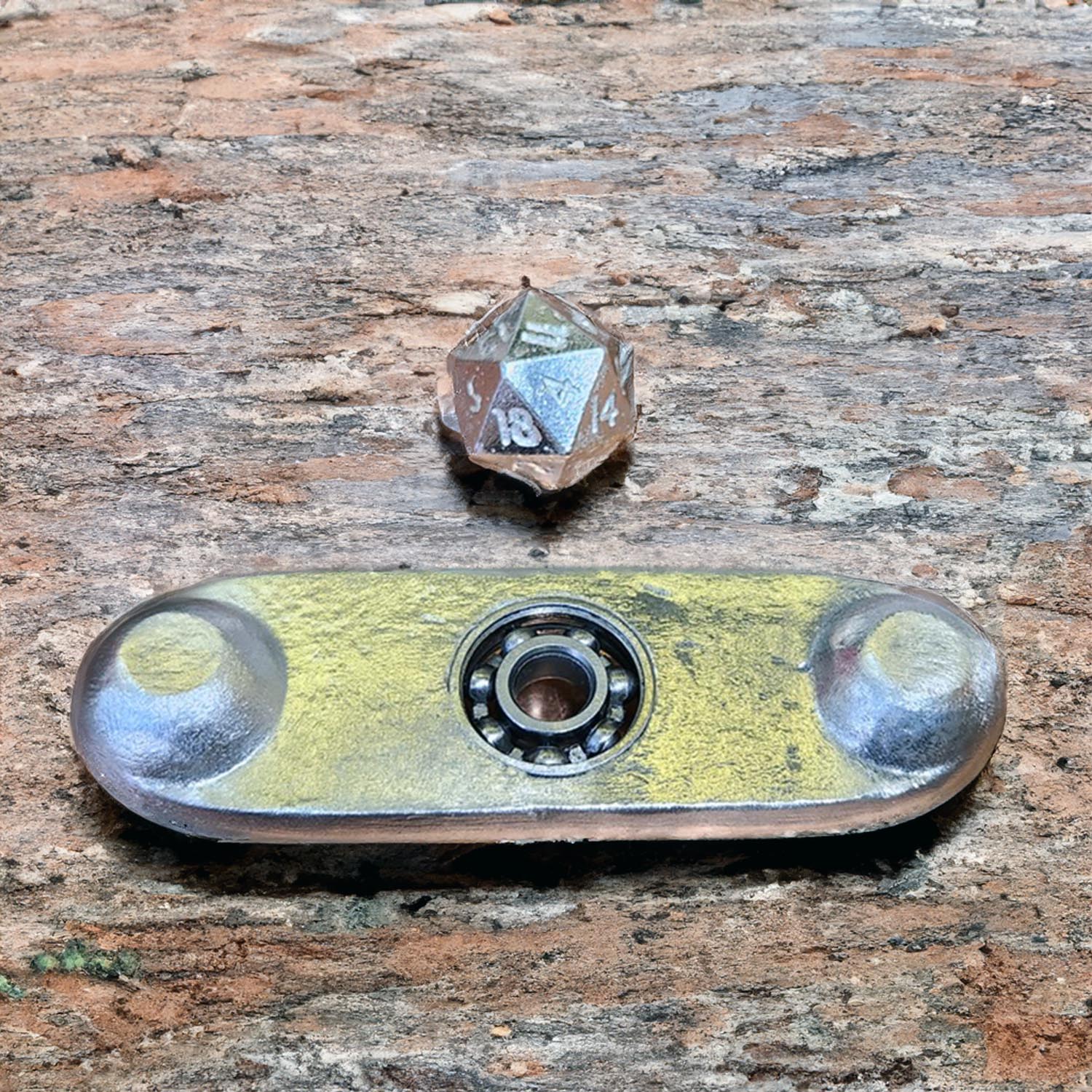
- Miniatures and decorative items
- Industrial prototypes
Key Features:
- Withstands temperatures up to 550°C*
- Compatible with pewter, zinc alloys, and other low to medium-melting-point metals.
- Creates durable and reusable moulds for metal casting.
- Fast printing speeds for improved efficiency.
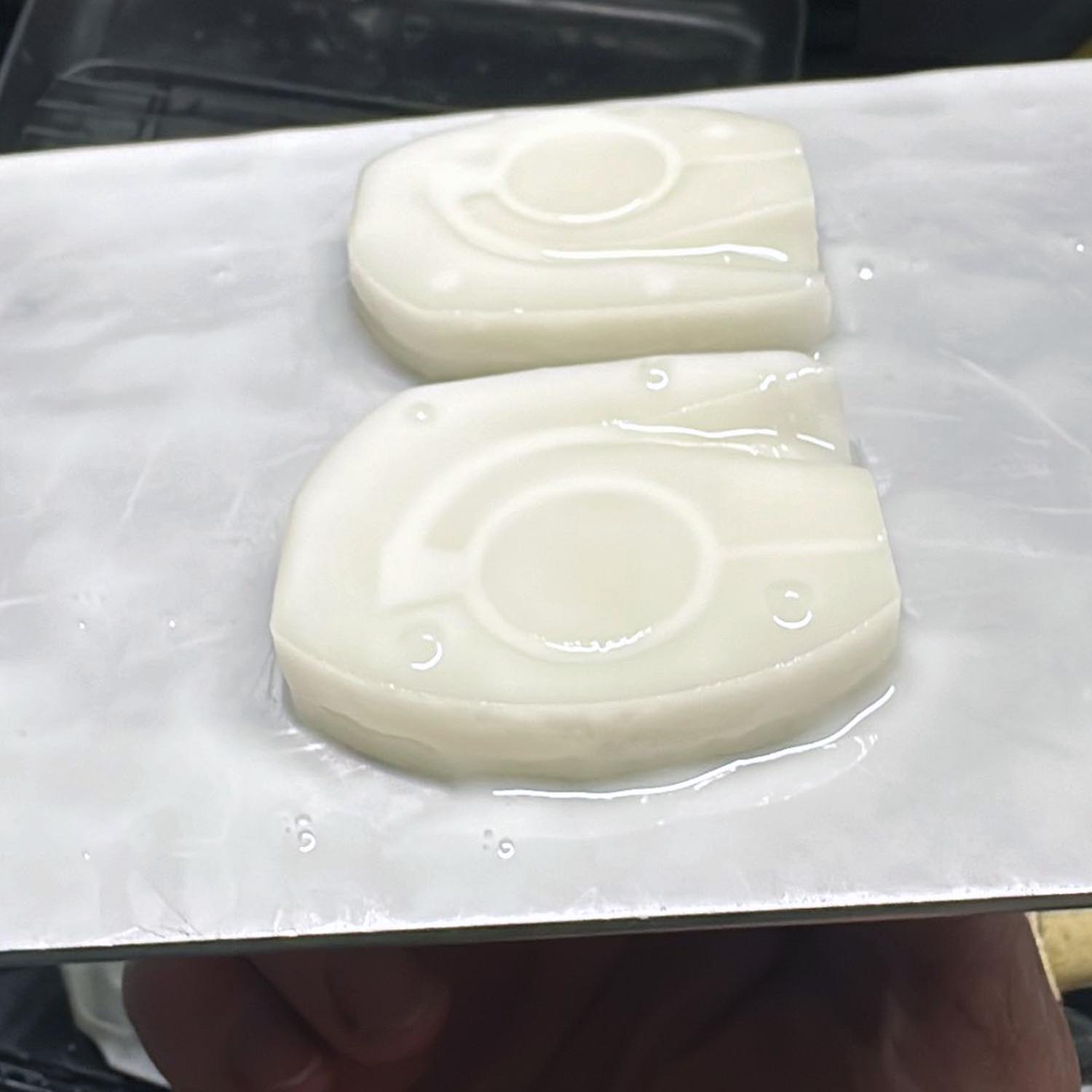
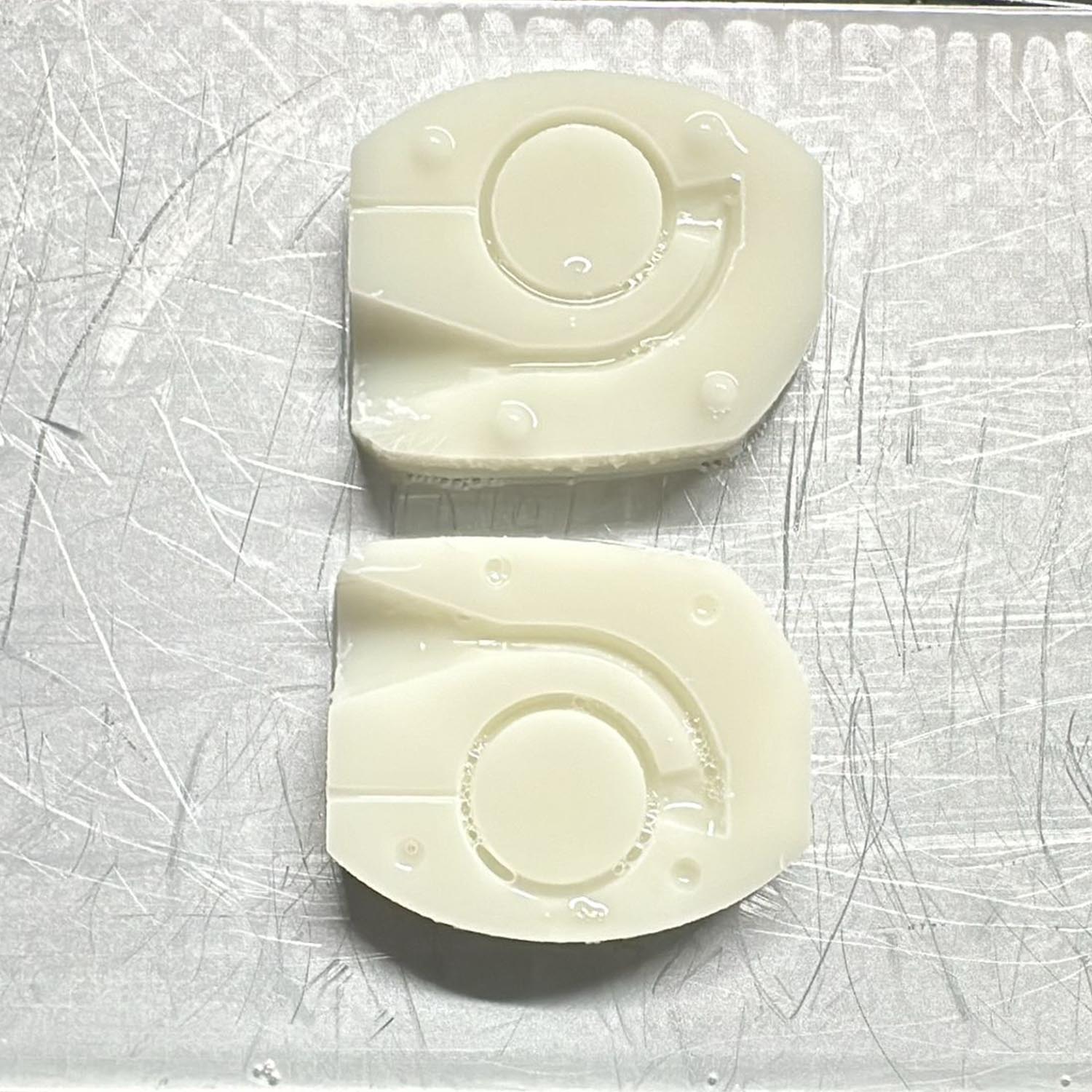
- Exceptional detail and precision for intricate designs.
Transform your 3D printing experience with ThermaCAST 3D Printer Resin. It’s perfect for jewellery, industrial parts, and more, offering unmatched reliability and performance for metal casting projects.
Download Technical Data Sheet PDF
(*Disclaimer: The 550°C claim for ThermaCAST 3D Printer Resin is based on optimal conditions and proper mould design. The resin’s performance at high temperatures depends on several factors, including the mould’s wall thickness, design, and the volume of metal being poured relative to the mould’s size. Exceeding recommended casting parameters may lead to mould degradation or failure. Always ensure your mould is appropriately designed and tested for your casting requirements.)
Additional information
| Weight | N/A |
|---|---|
| Bottle Size Options | 0.6kg, 1.25kg, 6kg |


Discover | Features | Video | Quick Start | Compatibility | Temp Guide | Properties | Safety Guide | Expert Tips | Video Guide | Equipment | FAQ | Buy Now
ThermaCAST™ | Product Overview
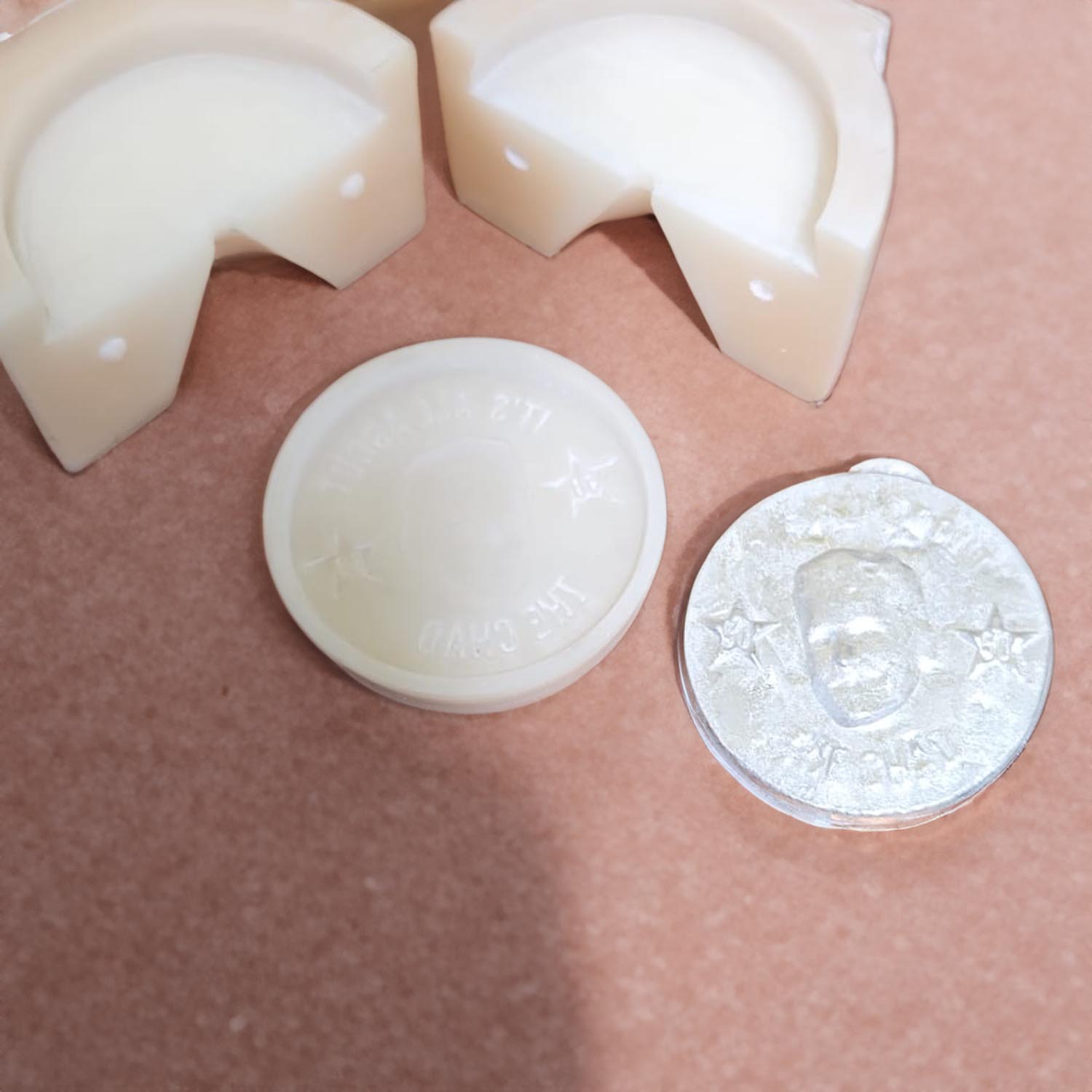
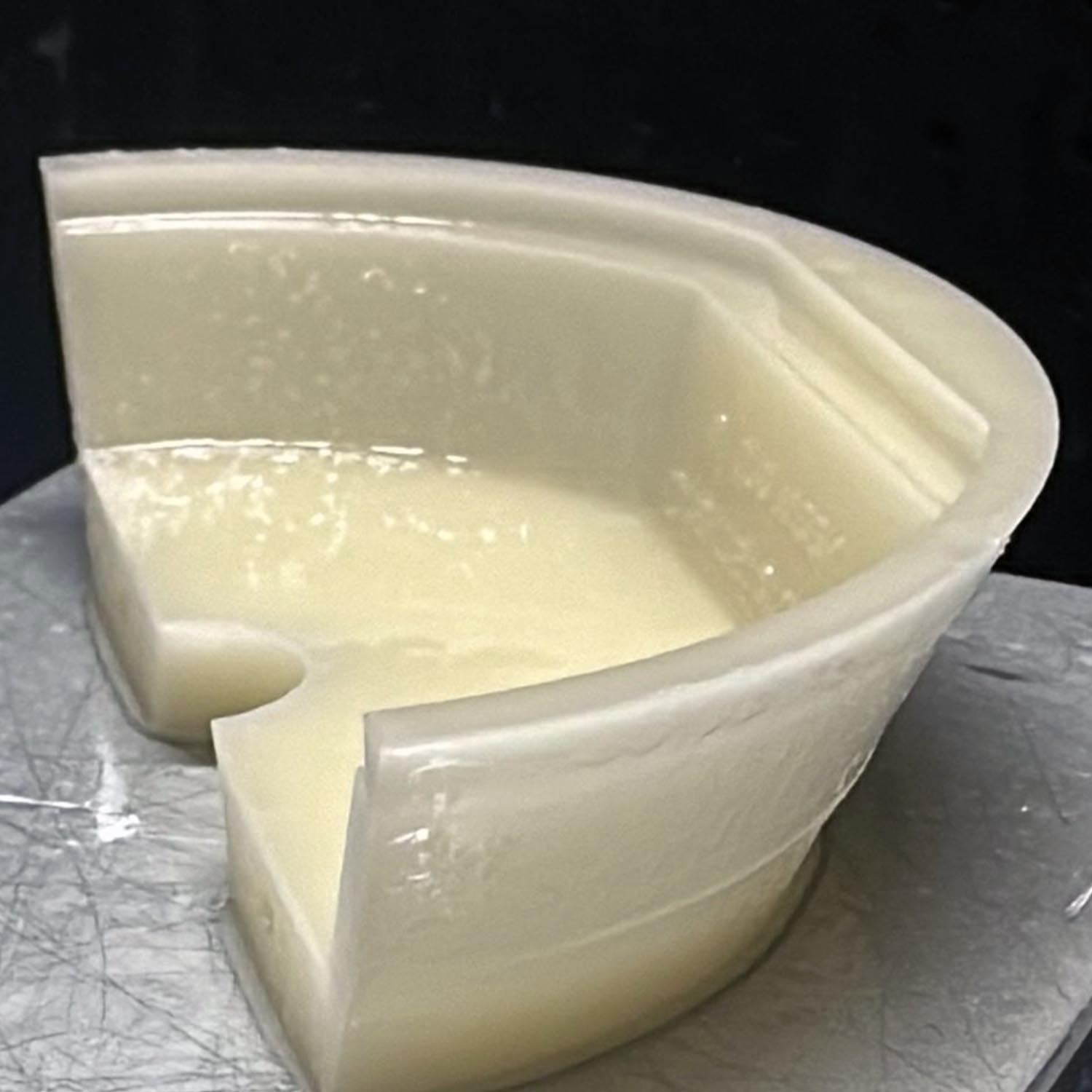
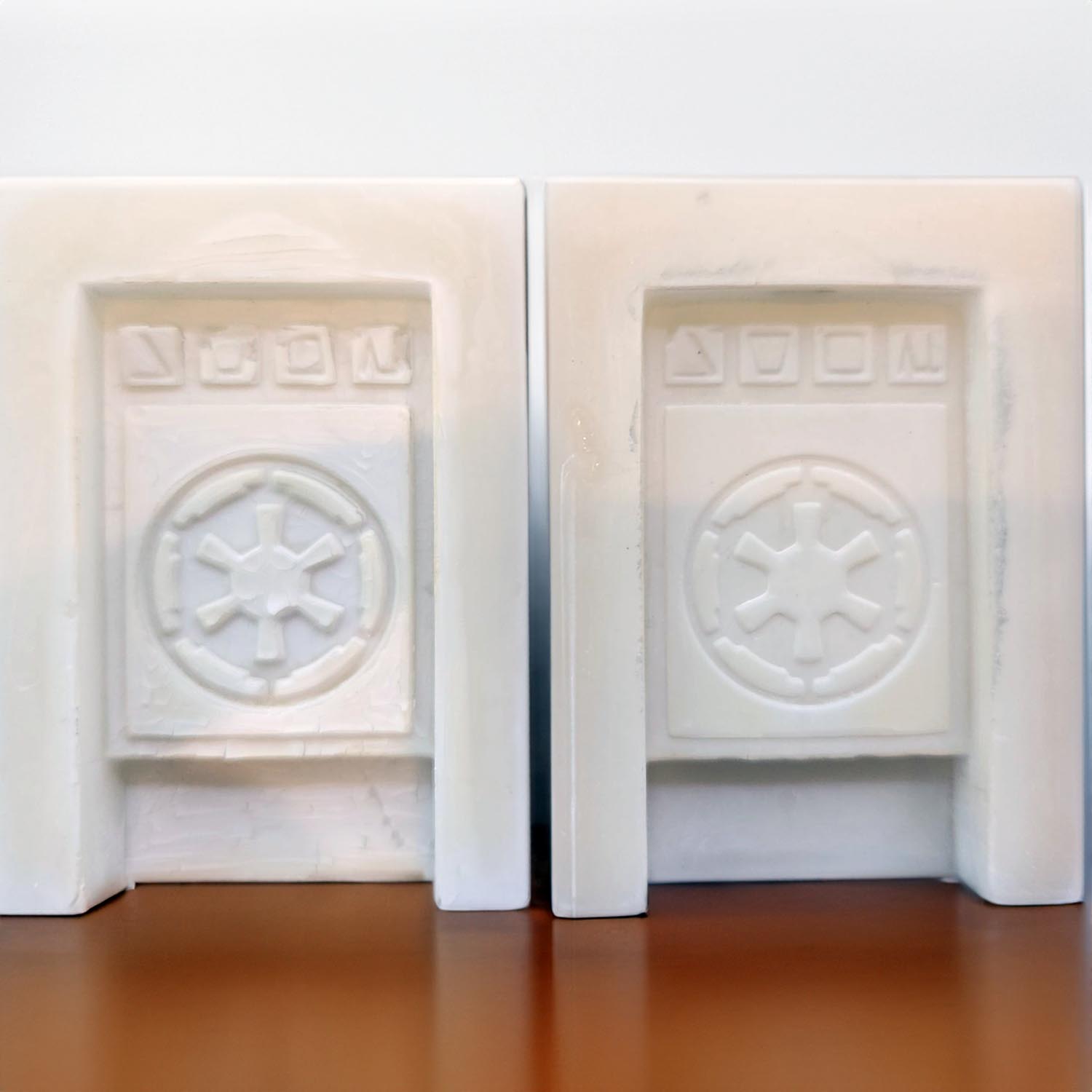
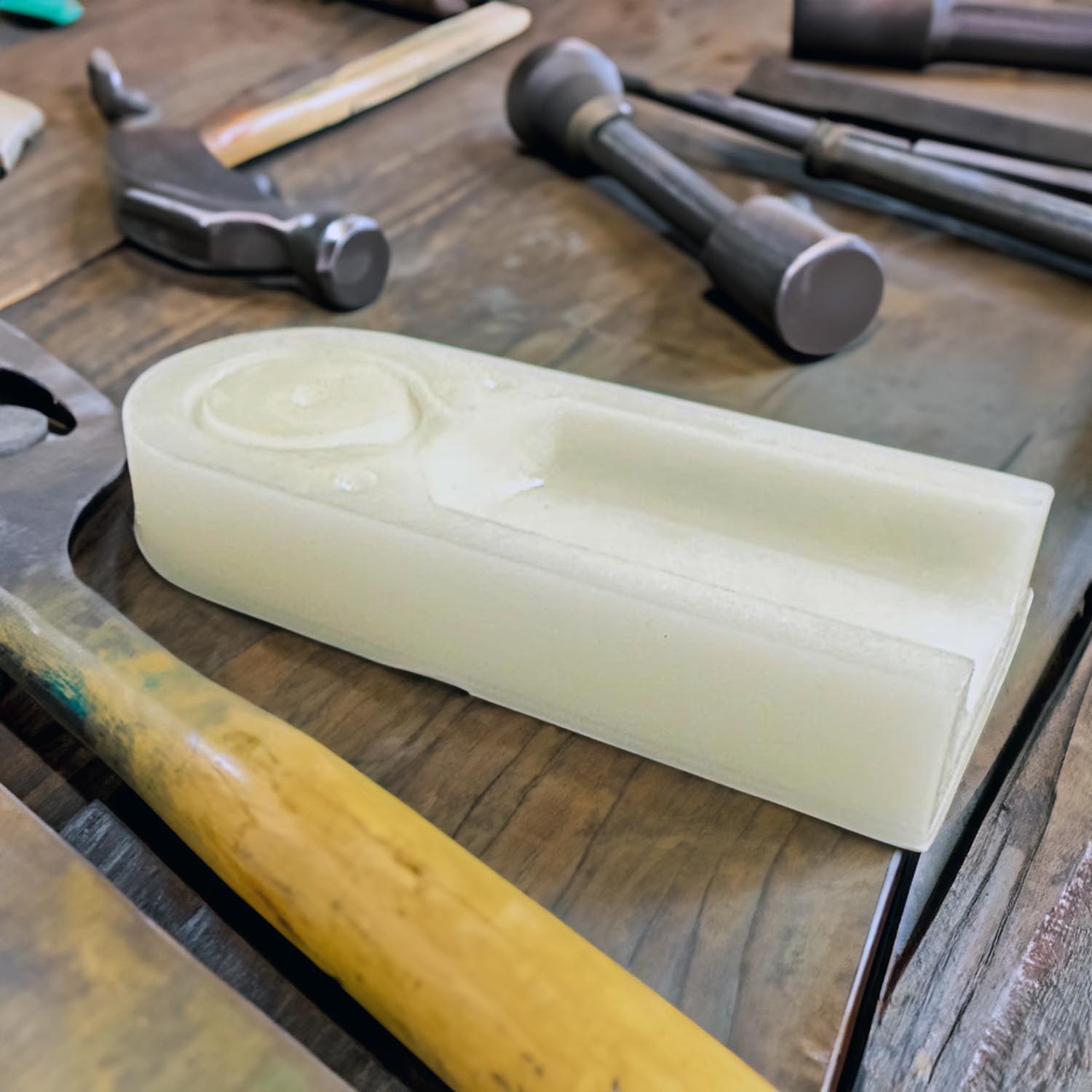
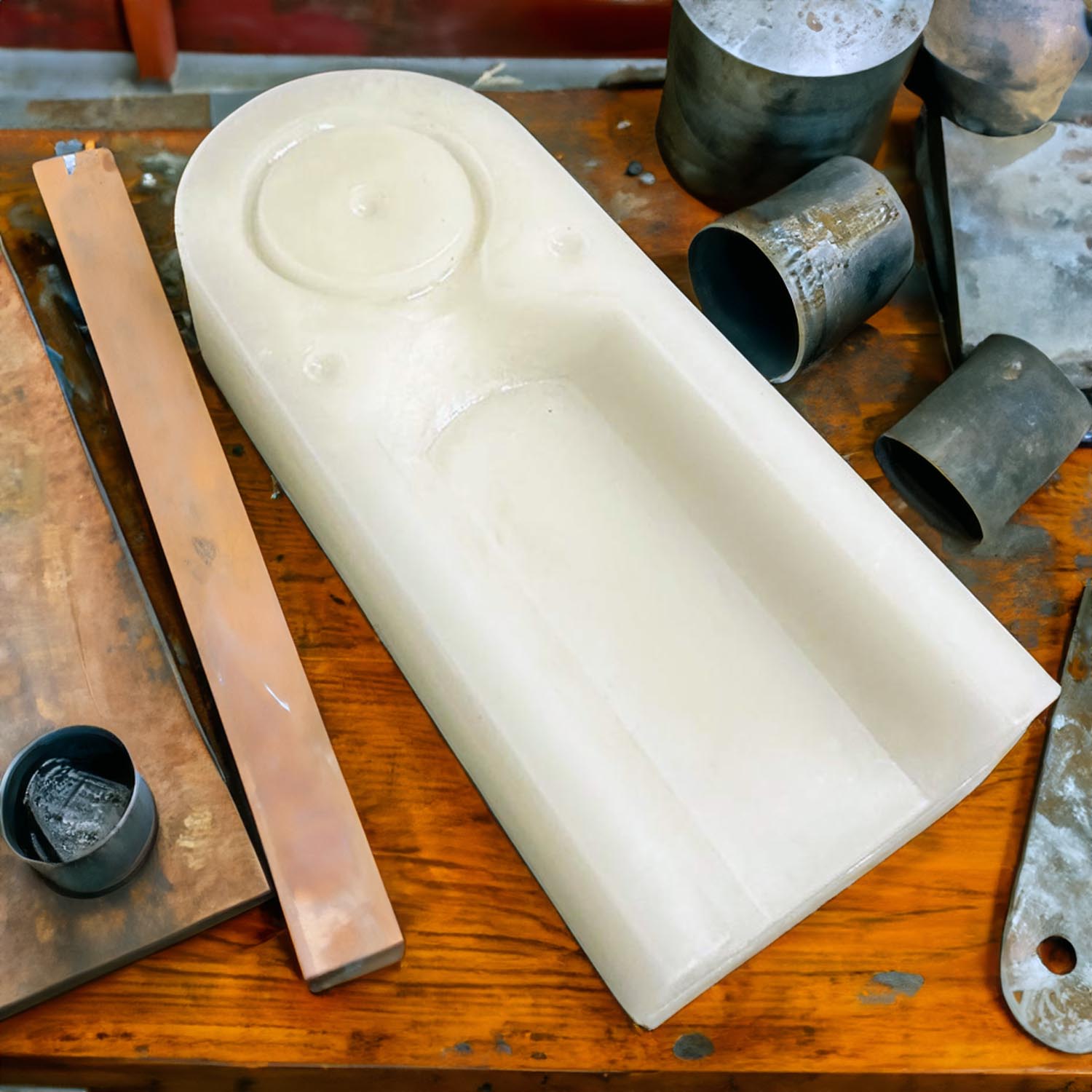
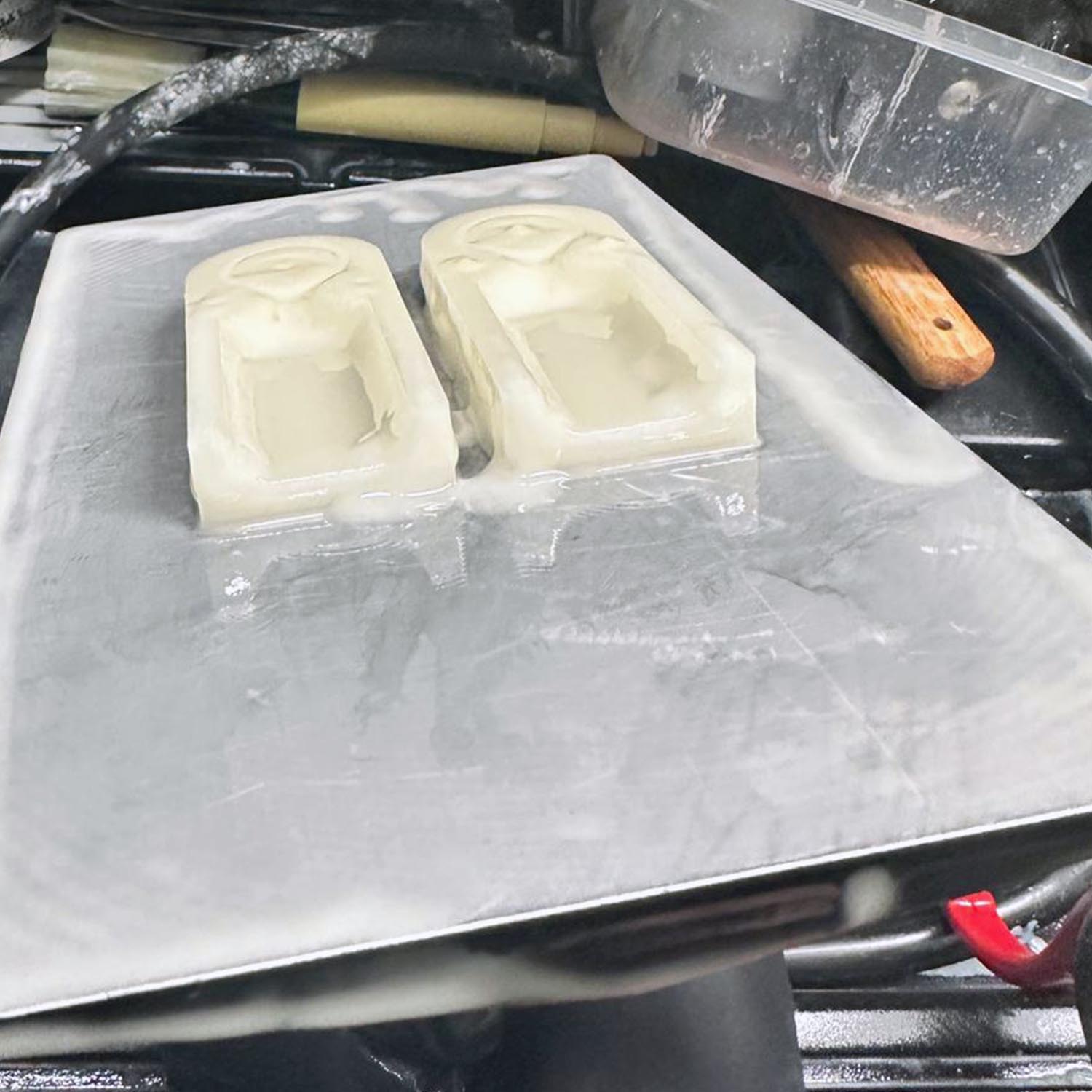
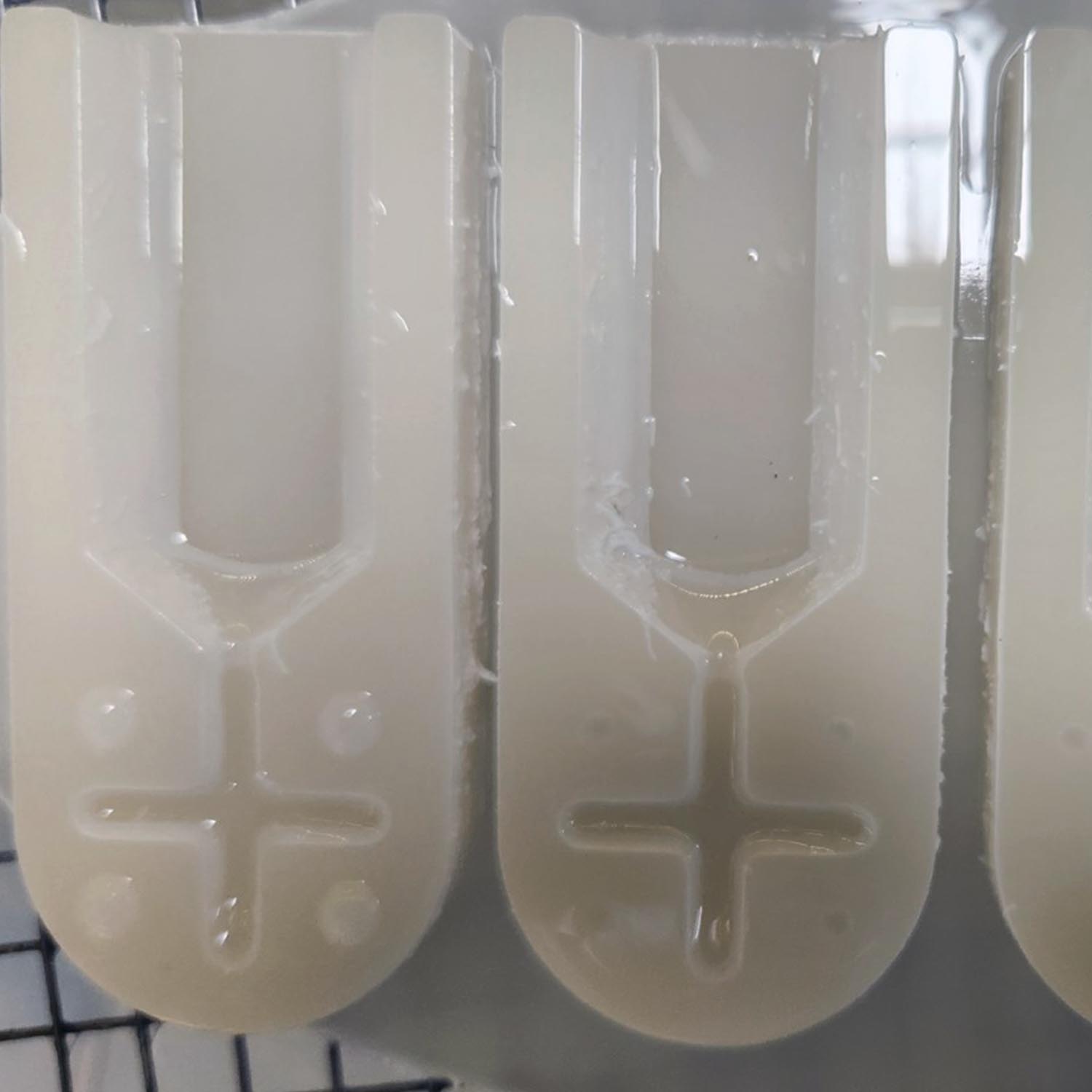
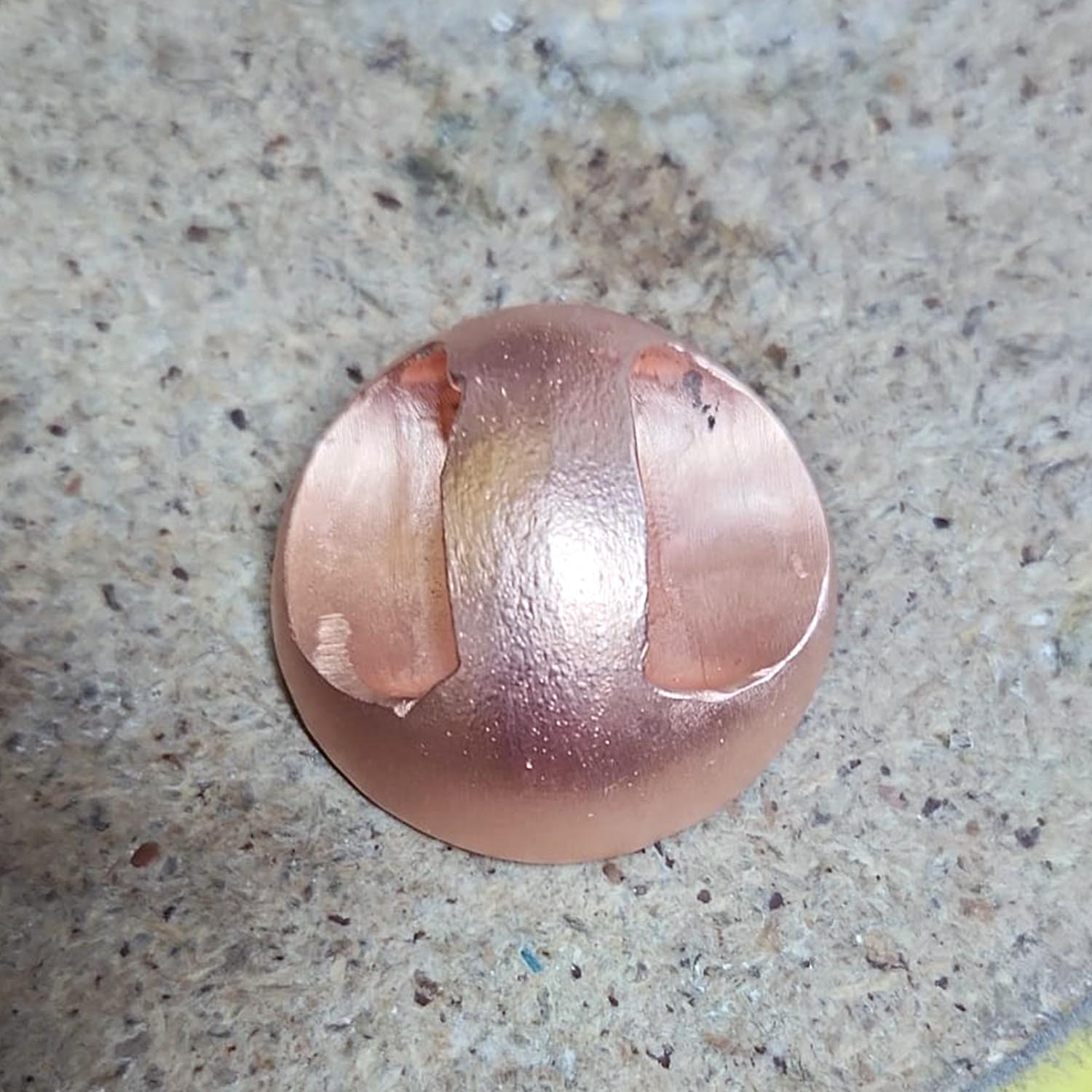
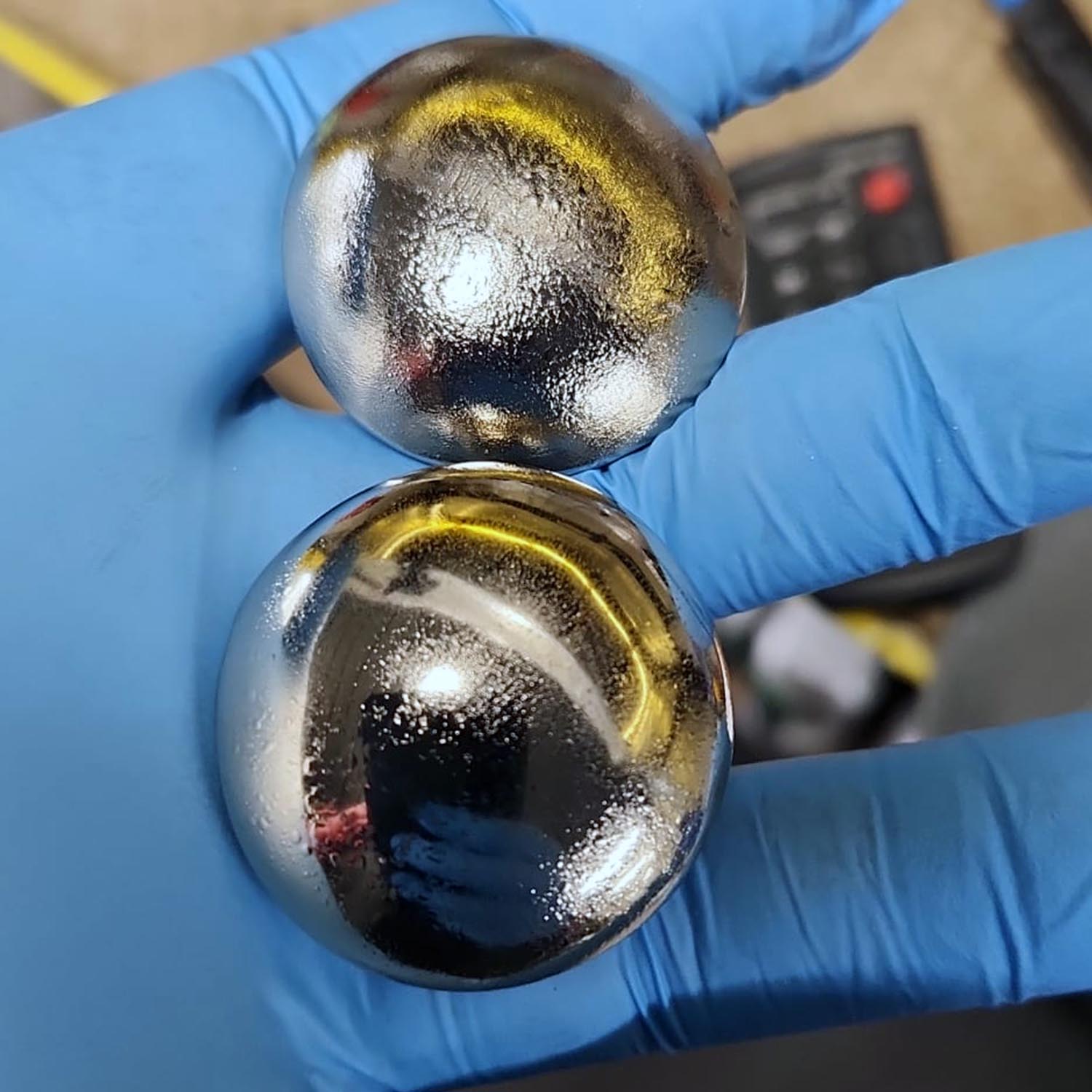
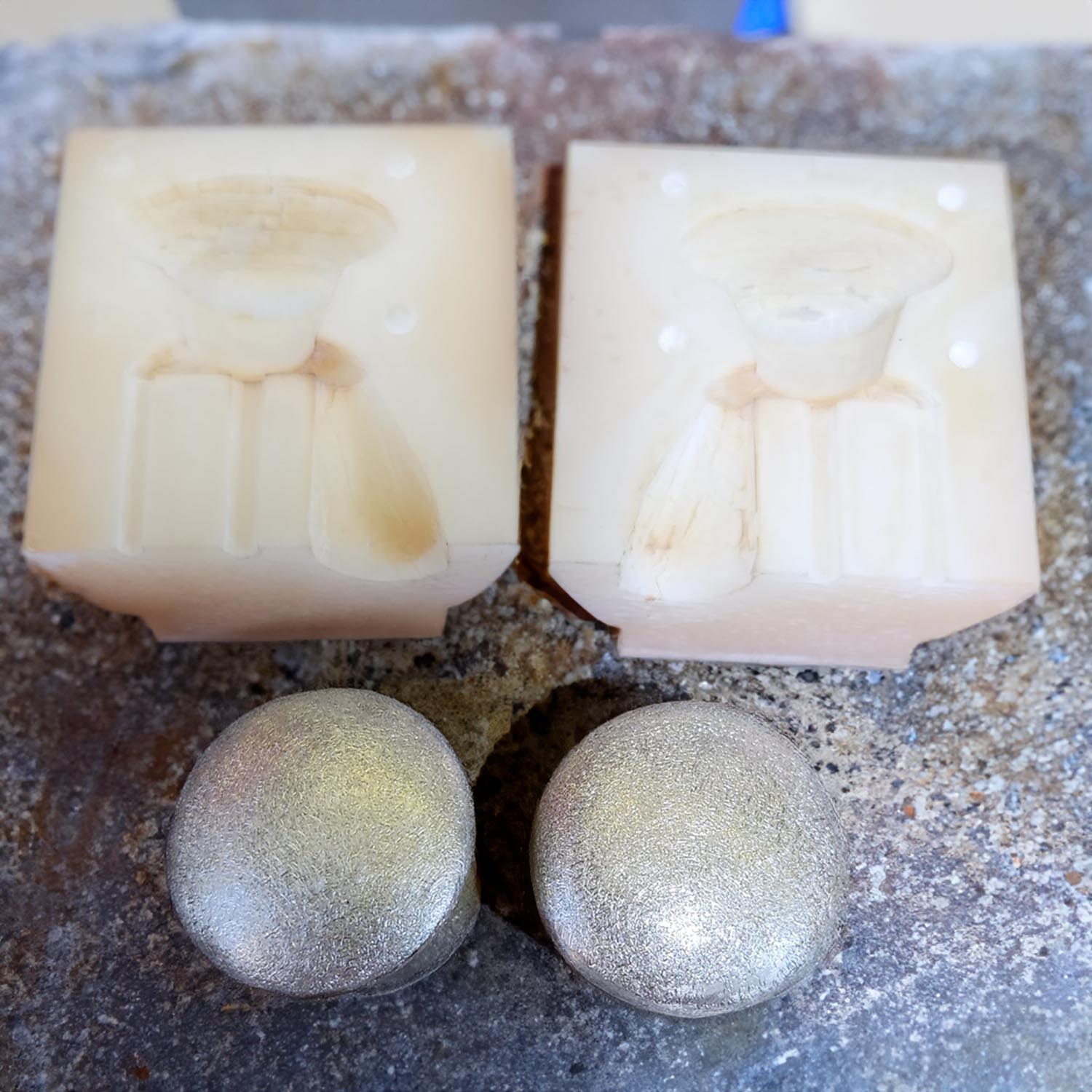
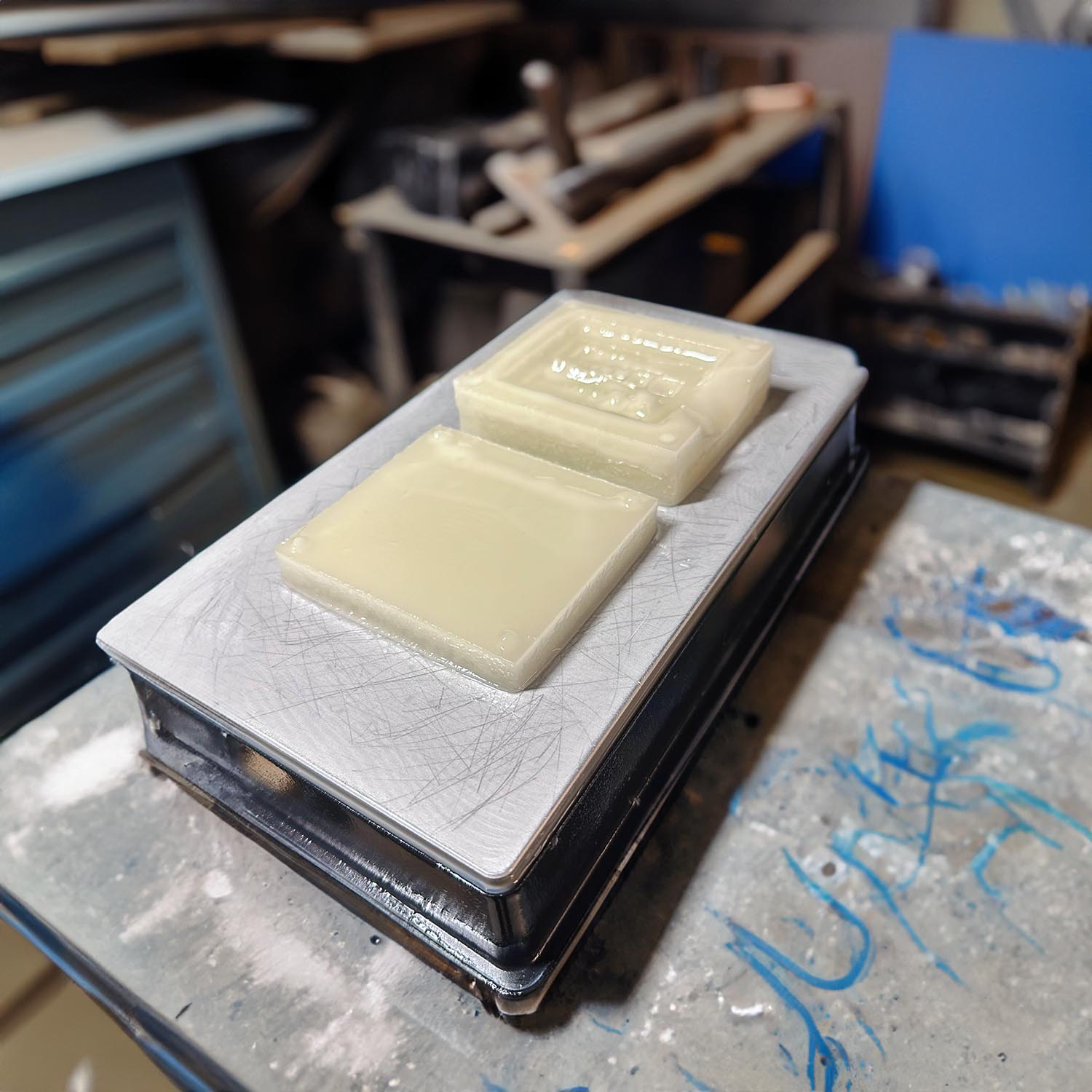
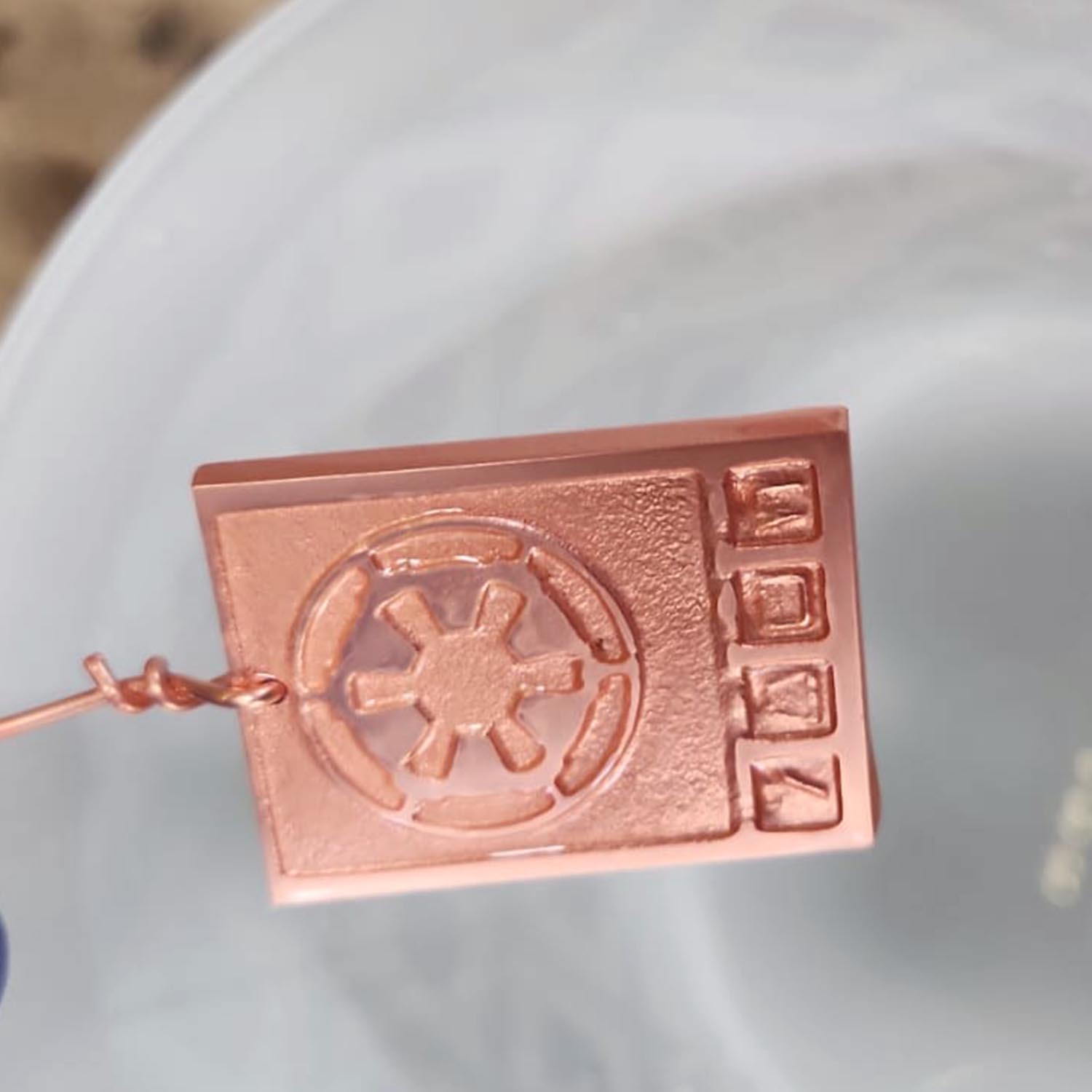
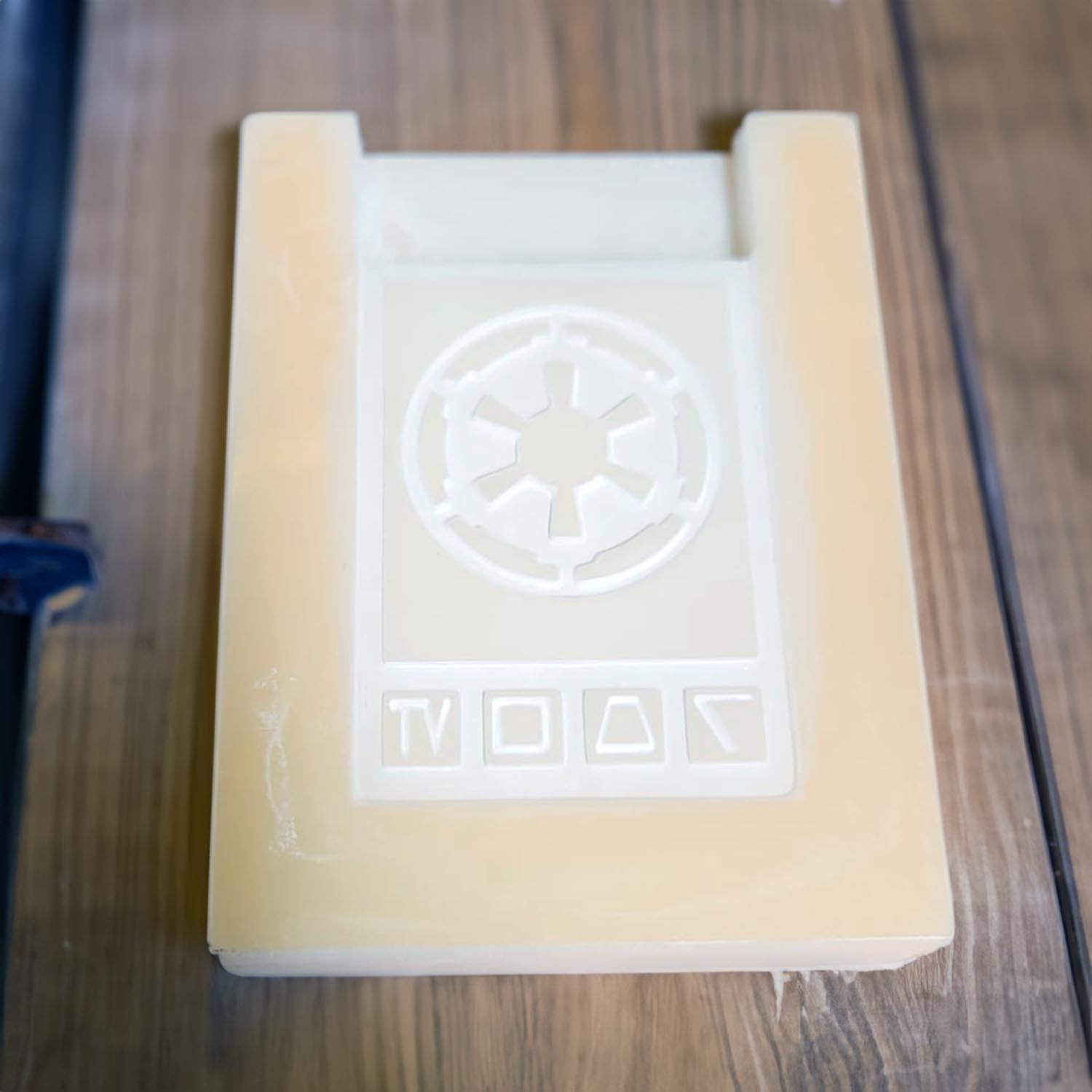
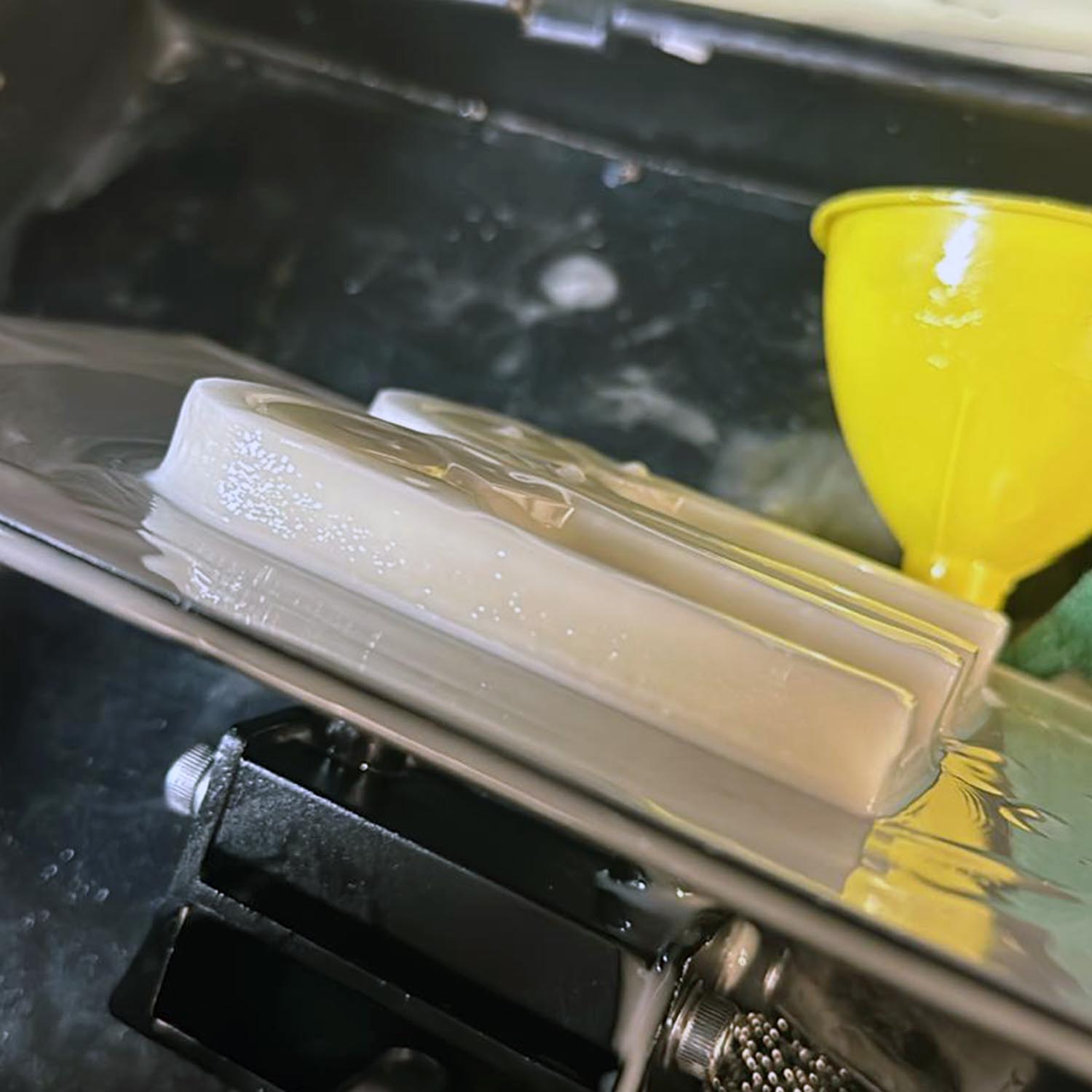
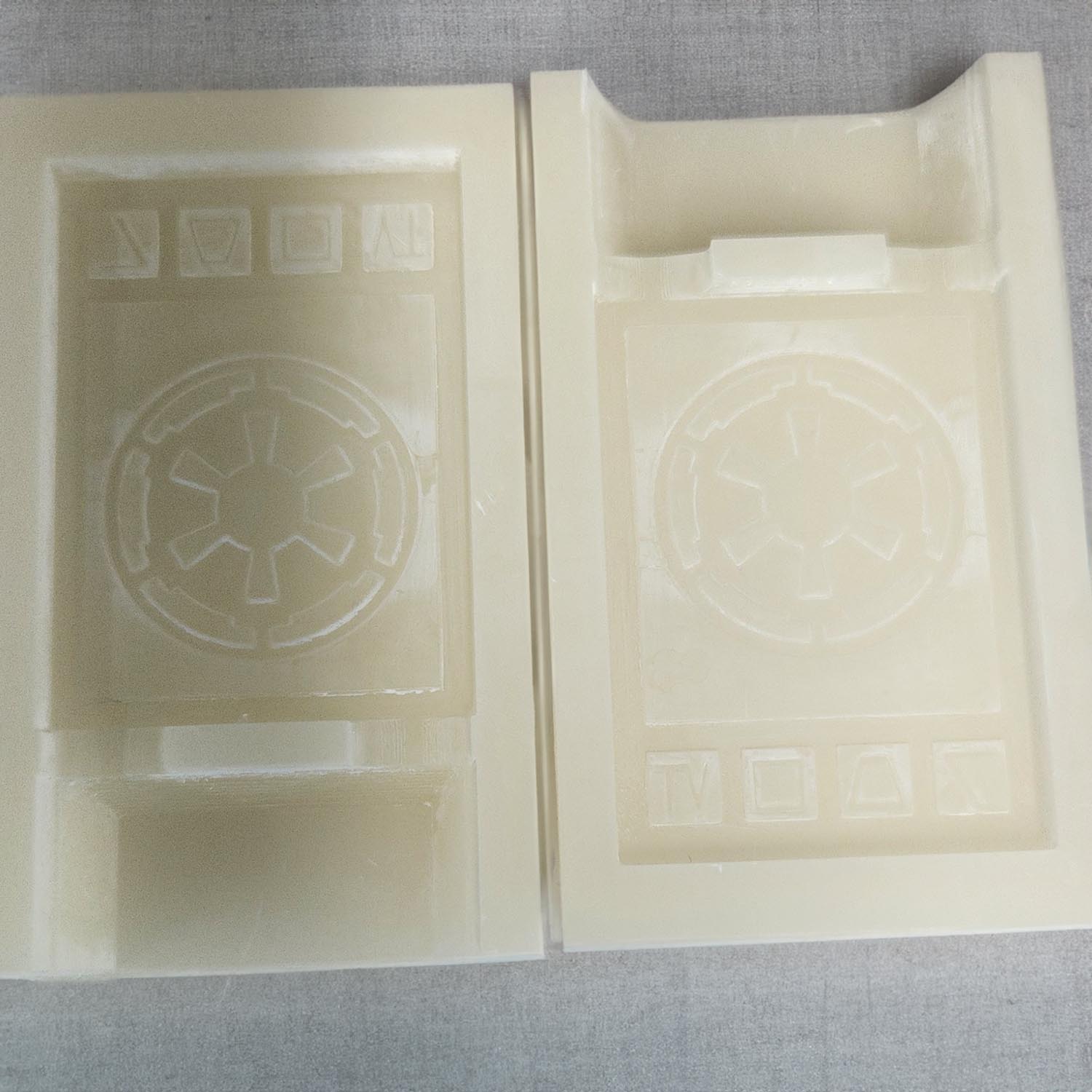
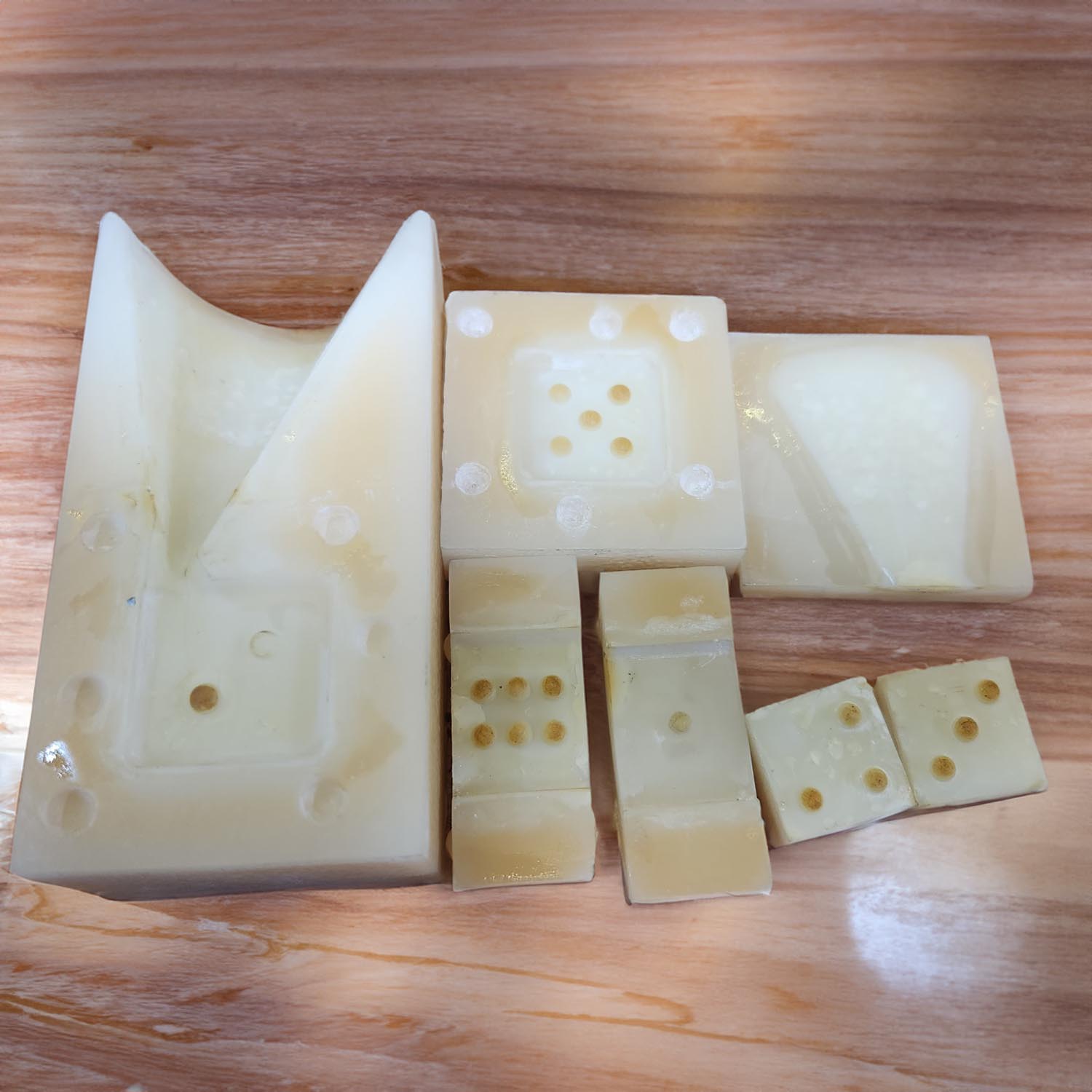
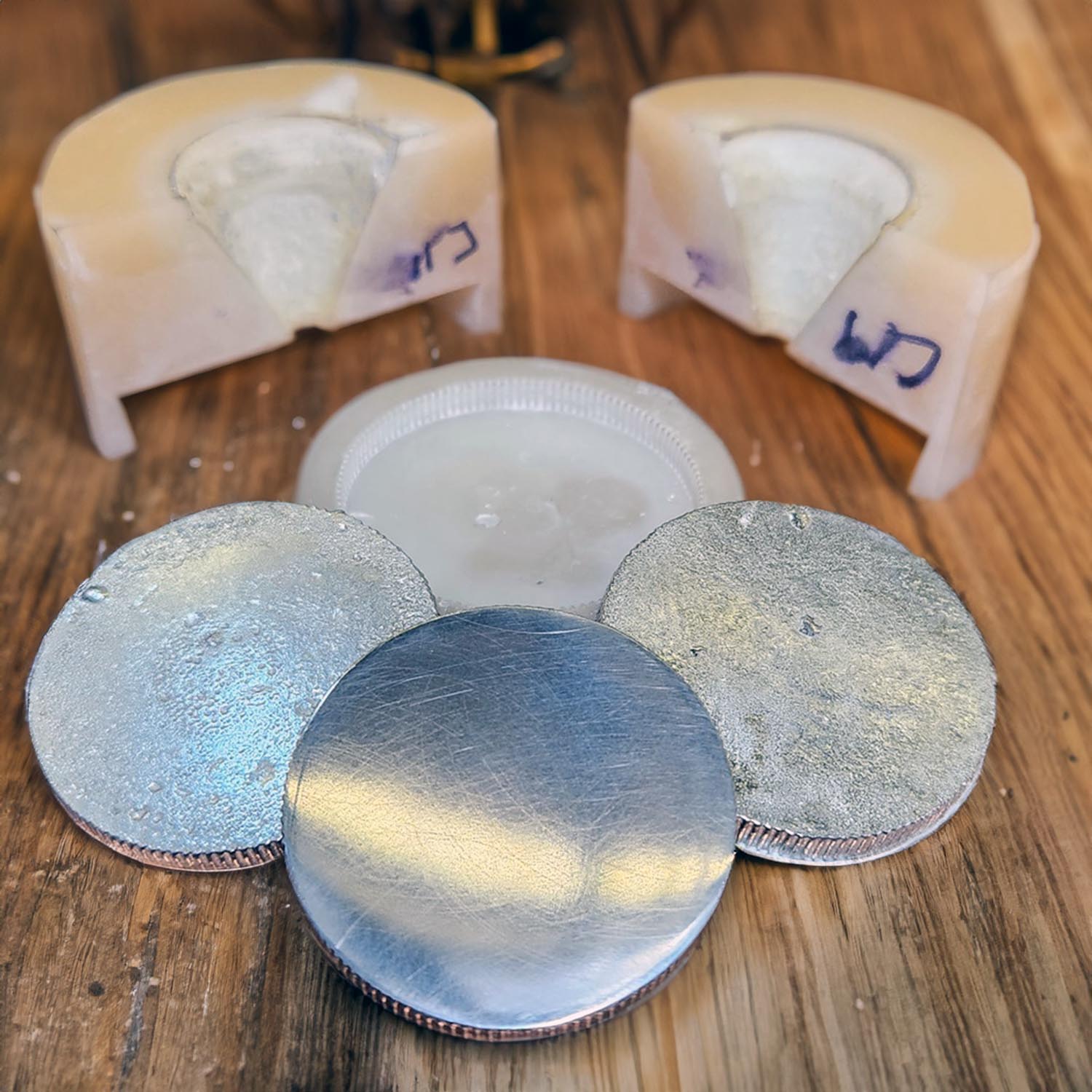
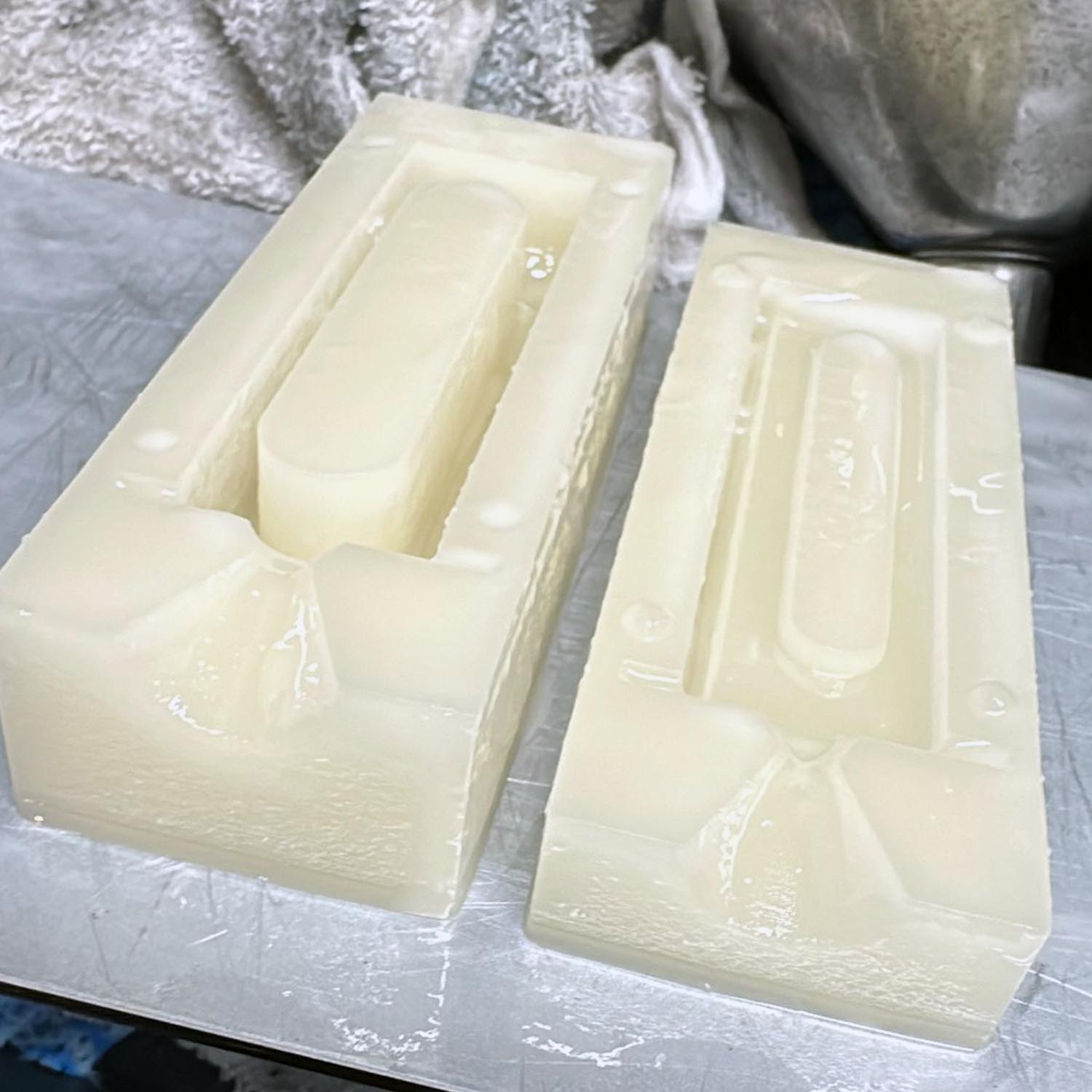
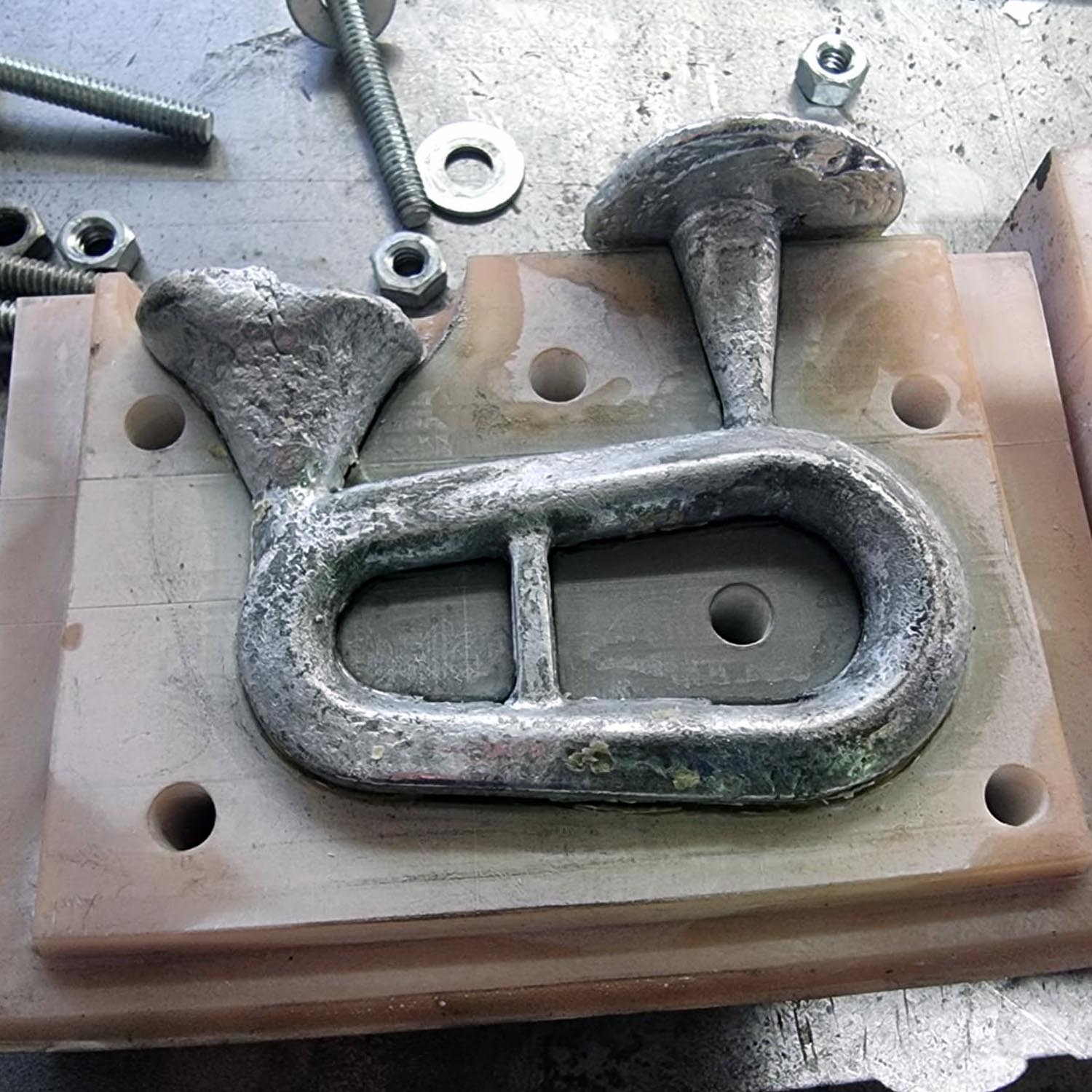
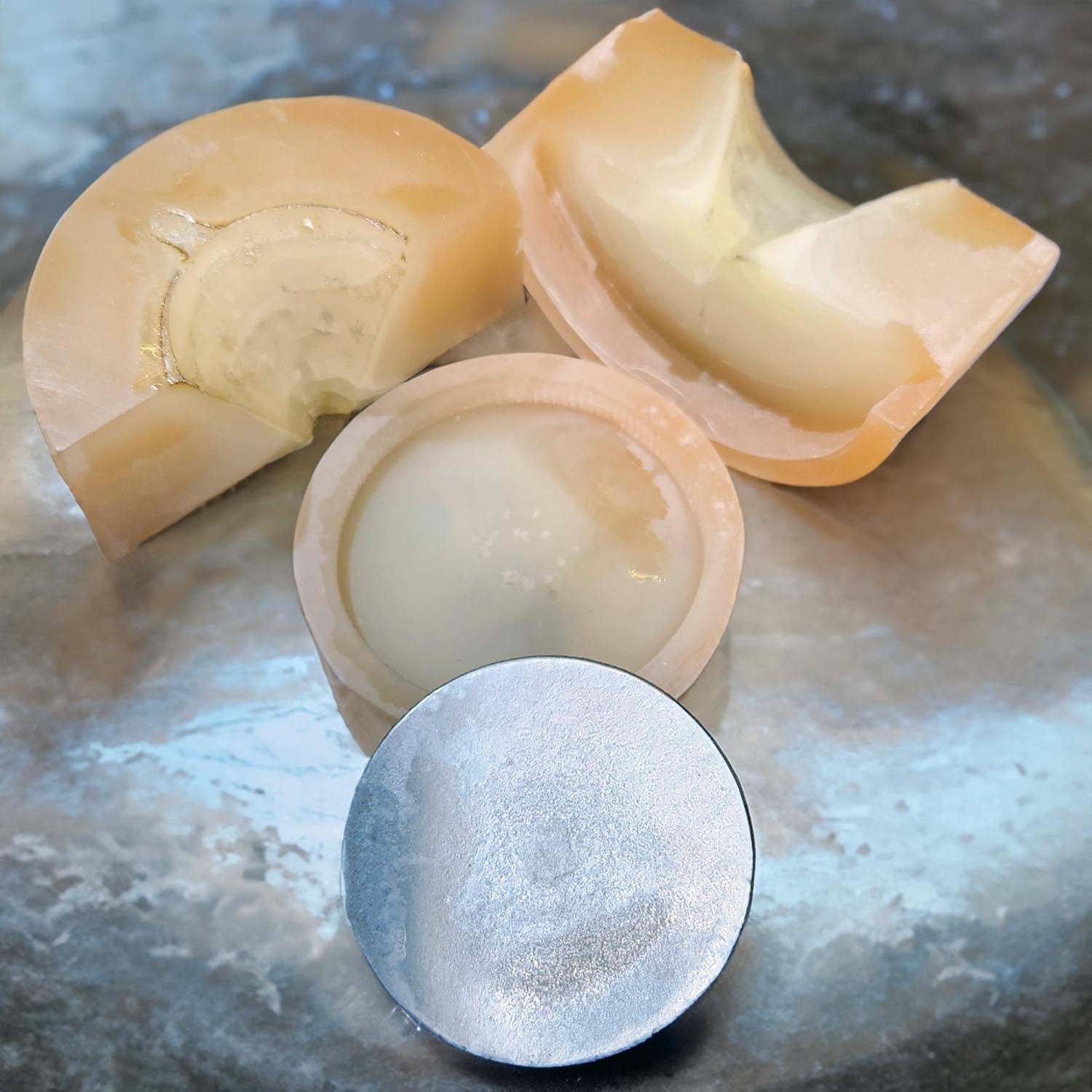
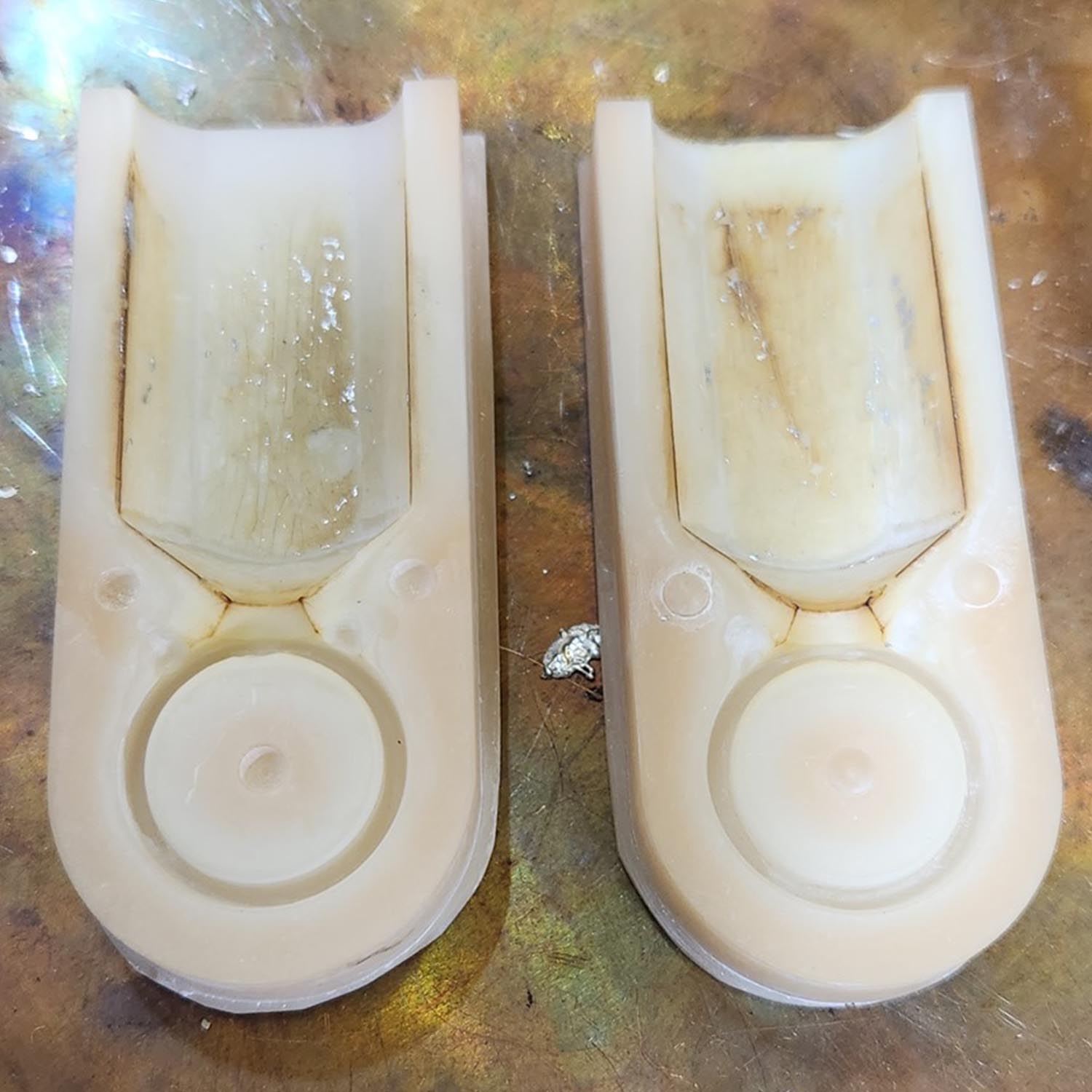
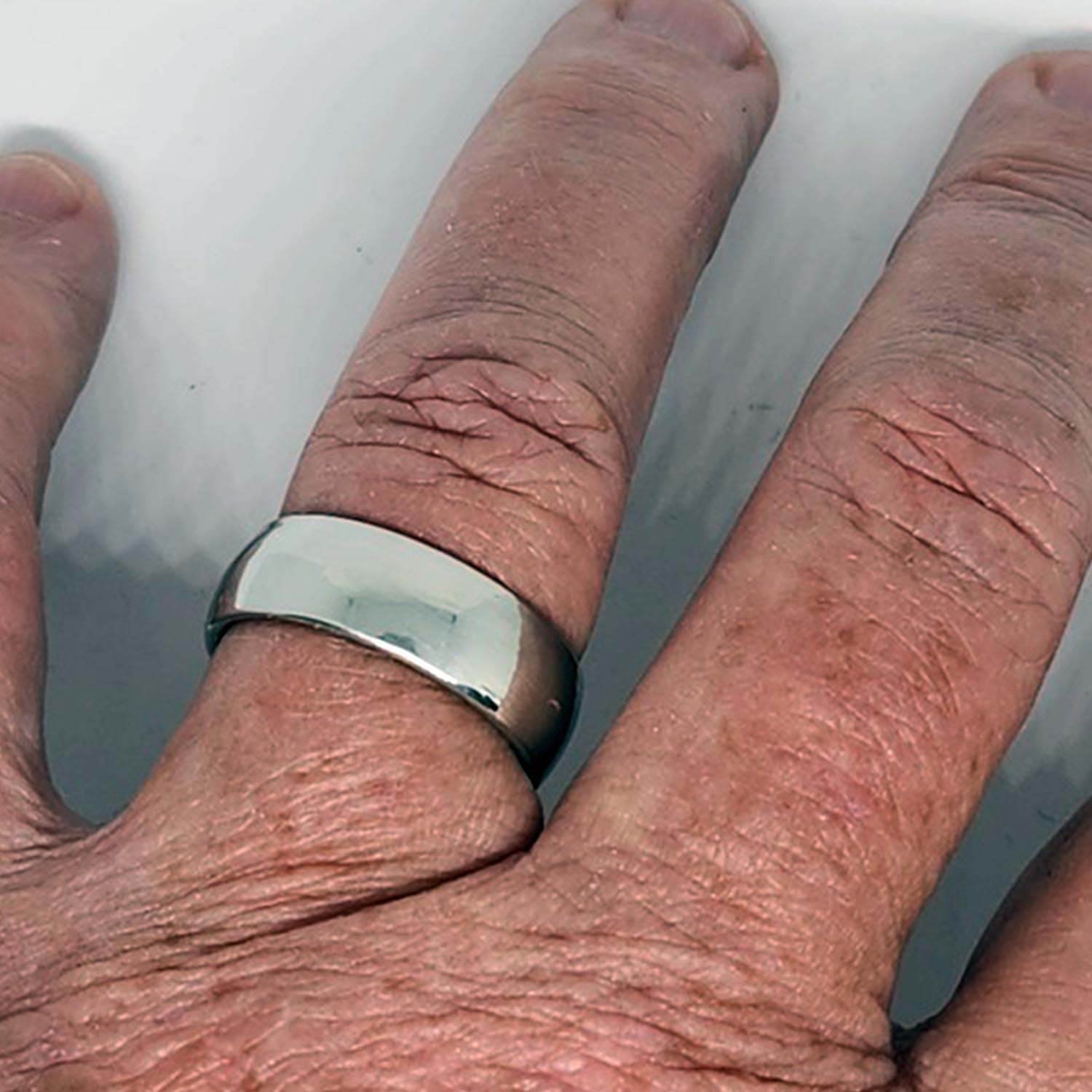
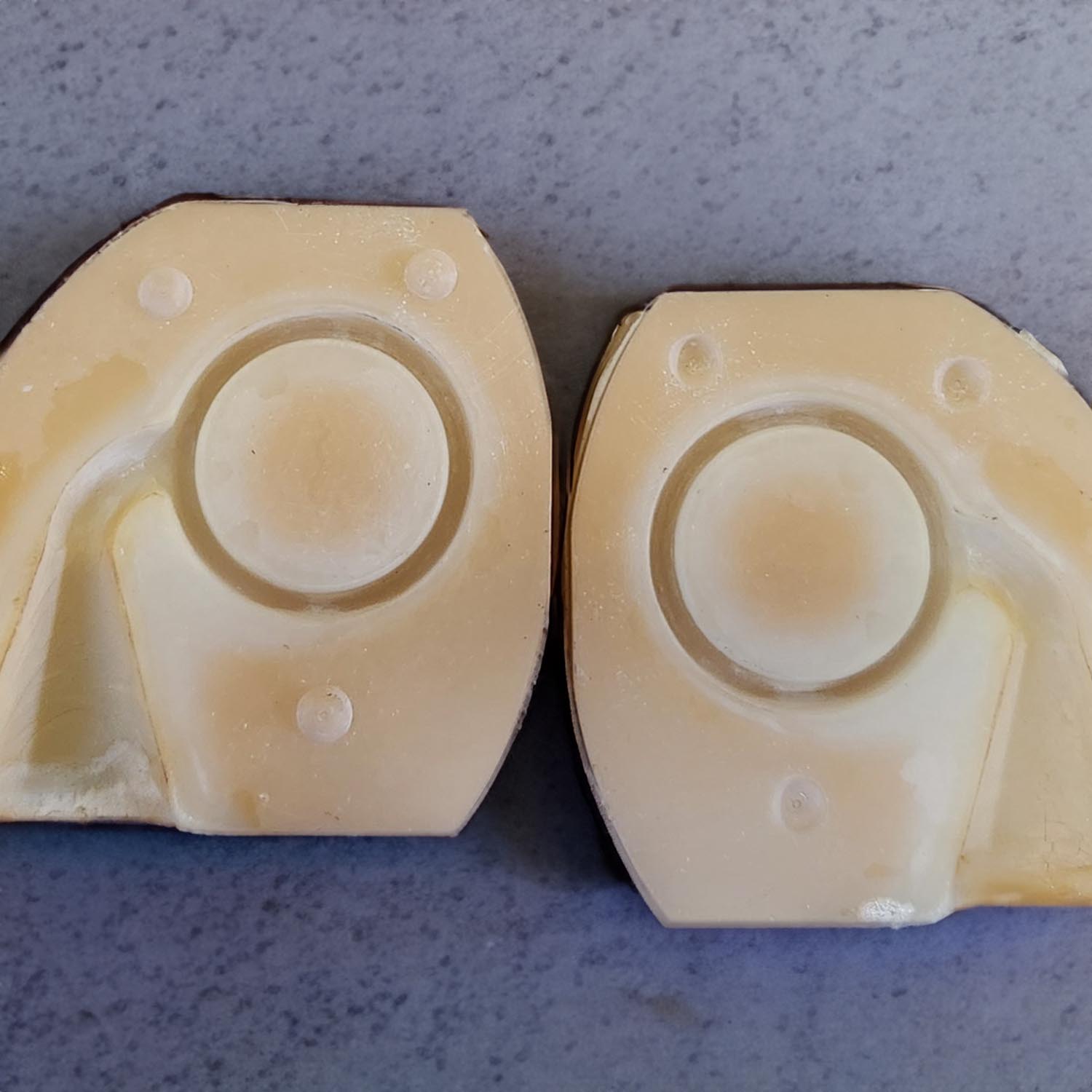
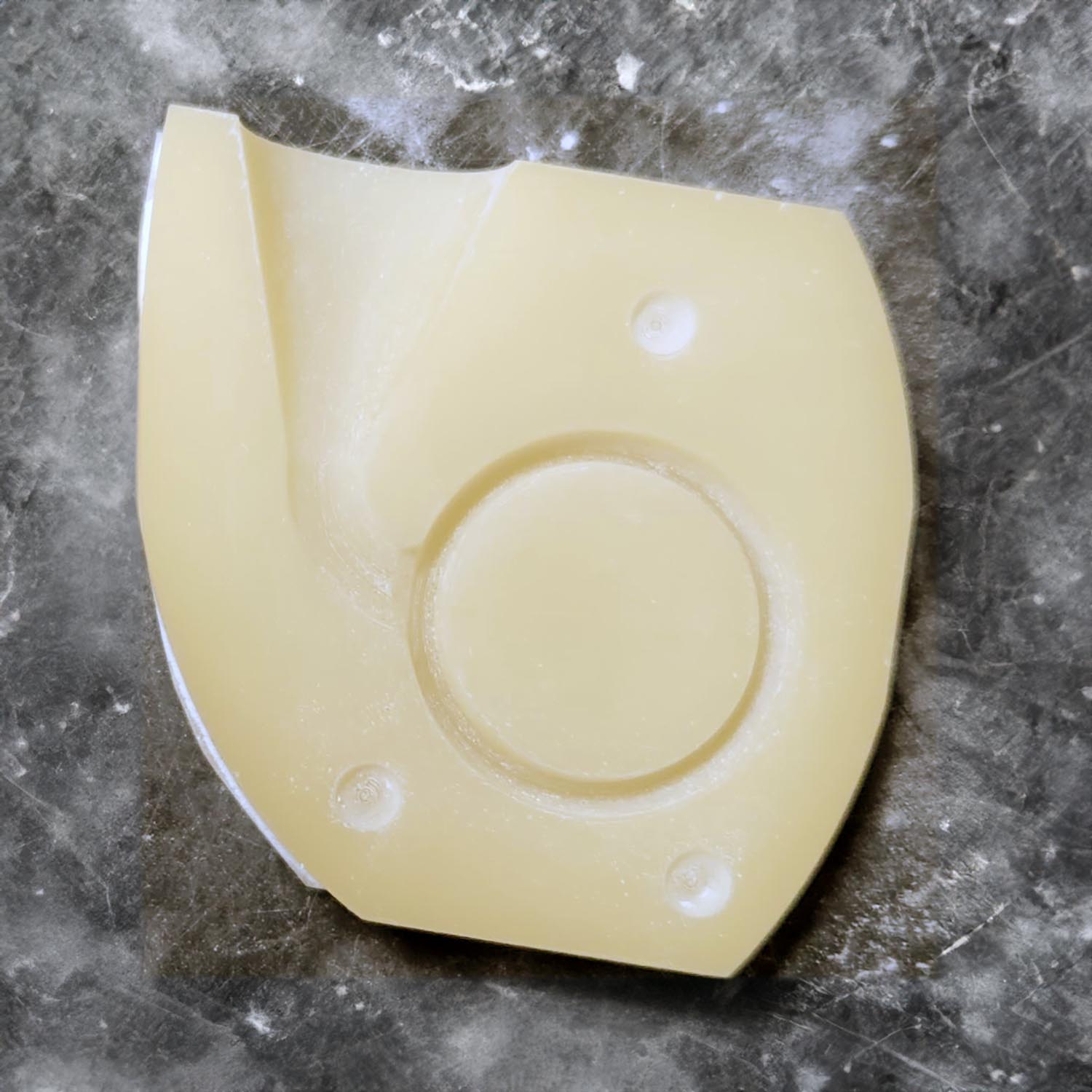
Monocure3D developed ThermaCAST™ to 3D-print reusable moulds for the casting of metal alloys. Compatible with most resin 3D printers, ThermaCAST™ allows designers, engineers, manufacturers, and hobbyists to produce high-quality, detailed metal parts quickly and affordably.
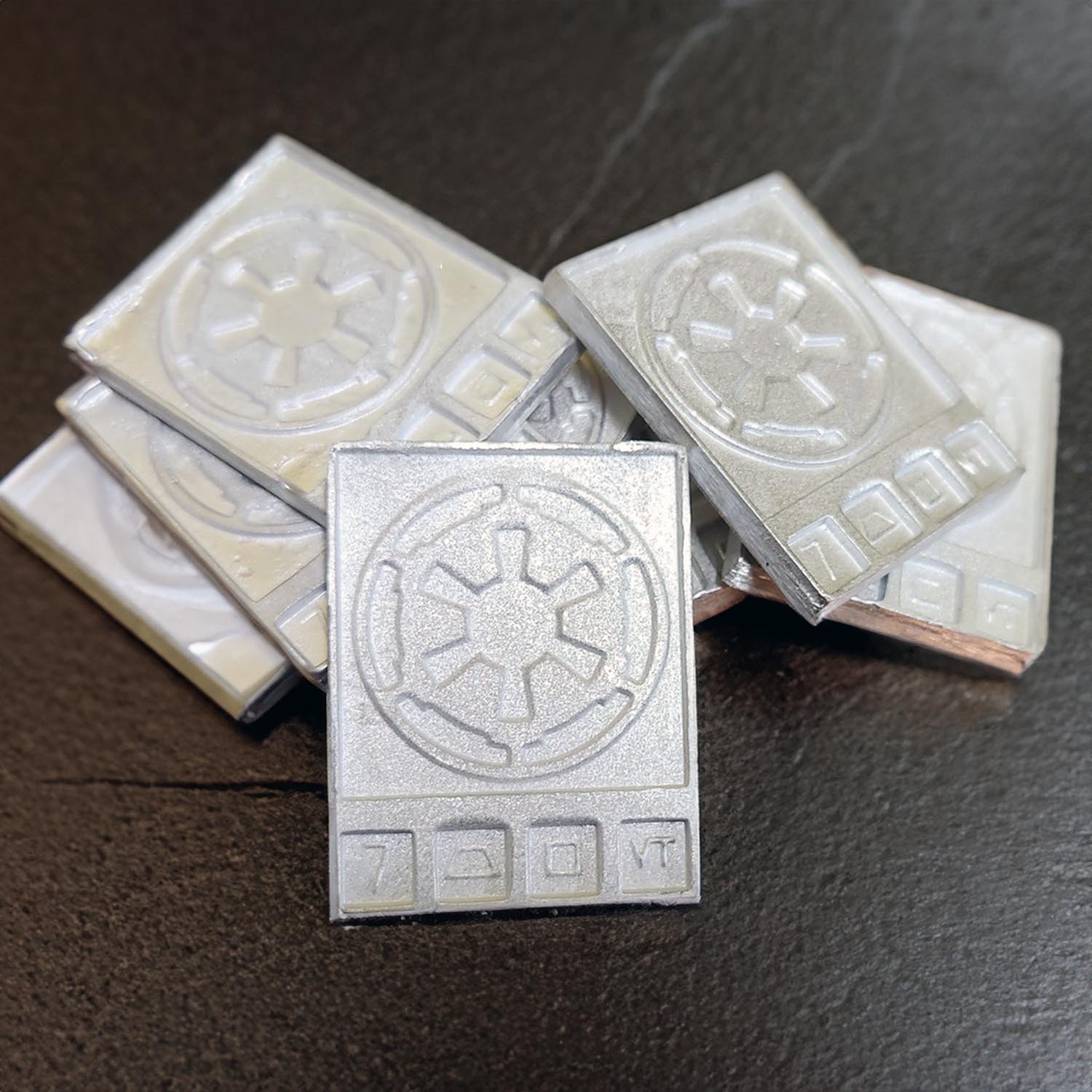
This resin is ideal for various applications, including jewellery, scale models, custom components, automotive and machinery parts, hardware, processing equipment, and tools. Whether manufacturing functional industrial components or detailed scale models, a reusable 3D-printed mould using ThermaCAST™ allows the casting of metal parts at a fraction of the time and cost compared to traditional methods.
By eliminating the need for expensive casting methods such as CNC-routed moulds, silicon pads, and messy sand casting, ThermaCAST™ streamlines the alloy casting process. Anyone with a standard desktop MSLA 3D printer, a low-cost furnace (optional for low-temperature metals like pewter), basic safety equipment, and ThermaCAST™ resin can create metal parts with precision, consistency and ease.
ThermaCAST™ | Key Features and Benefits
Superior Thermal Properties
Effectively manages direct surface heat, minimising heat transfer that could damage the mould.
16K High-Precision and Fine Details
It enables the creation of intricate and detailed moulds, perfect for complex designs and fine features in cast parts.
Durable Mold Construction
To ensure longevity and the ability to withstand repeated use, the mould walls only have to be 5-8mm thick.
User-Friendly & Affordable
Simplifies the casting workflow with clear guidelines and support, allowing anyone to make metal parts.
ThermaCAST™ | 3D Printing Meets Metal Casting
ThermaCAST™ delivers advanced high-temperature capabilities tailored for direct metal casting. Capable of withstanding temperatures up to 550°C*, this resin is the perfect solution for creating intricate and durable metal parts directly from your MSLA 3D printer. This material ensures exceptional durability, precision, and heat resistance, providing reliable and high-quality castings across various applications and materials.
The future of metal casting is here! ThermaCAST™ removes the complexities associated with traditional casting methods. Compared to using heat-resistant silicons, 2-part resins, pads (used in spin casting), messy sand casting, injection moulding, and the complicated investment casting process, you can save time and money creating moulds. This streamlined approach enhances accessibility and efficiency for professionals and hobbyists, transforming the way metal casting is approached.
ThermaCAST™ | The Quick Start Guide
(Use the Arrows to Scroll through the Steps)
STEP 1: Design The Mould
Use 3D modelling software to create a mould with:
1. Wall Thickness: At least twice the thickness of the part you plan to cast. This ensures structural integrity and heat resistance.
2. Draft Angles: Incorporate 2–5 degree draft angles to facilitate easy removal of the cast part and avoid mould damage.
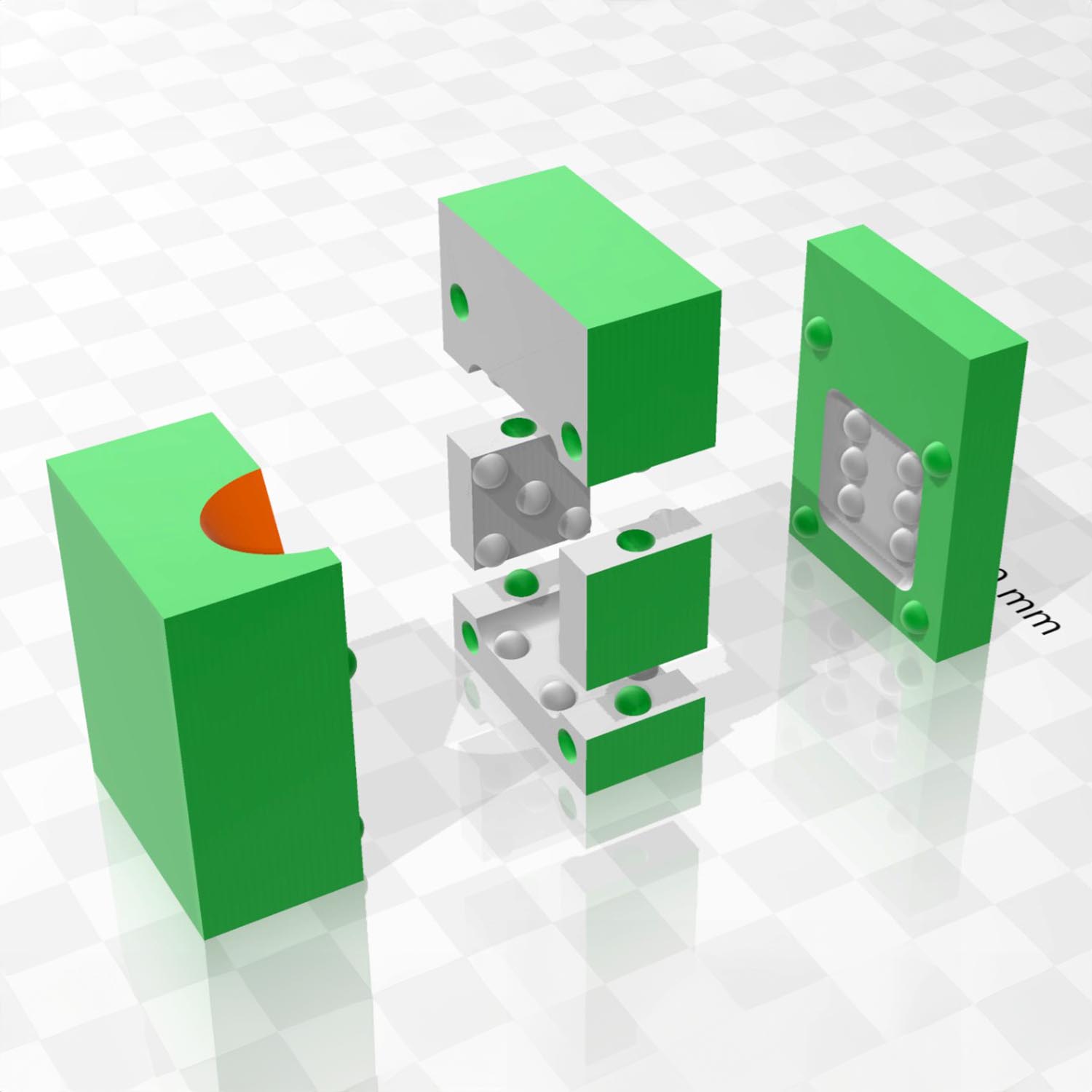
3. No Undercuts: Avoid undercuts unless necessary. If required, design multi-part moulds to ensure proper part release.
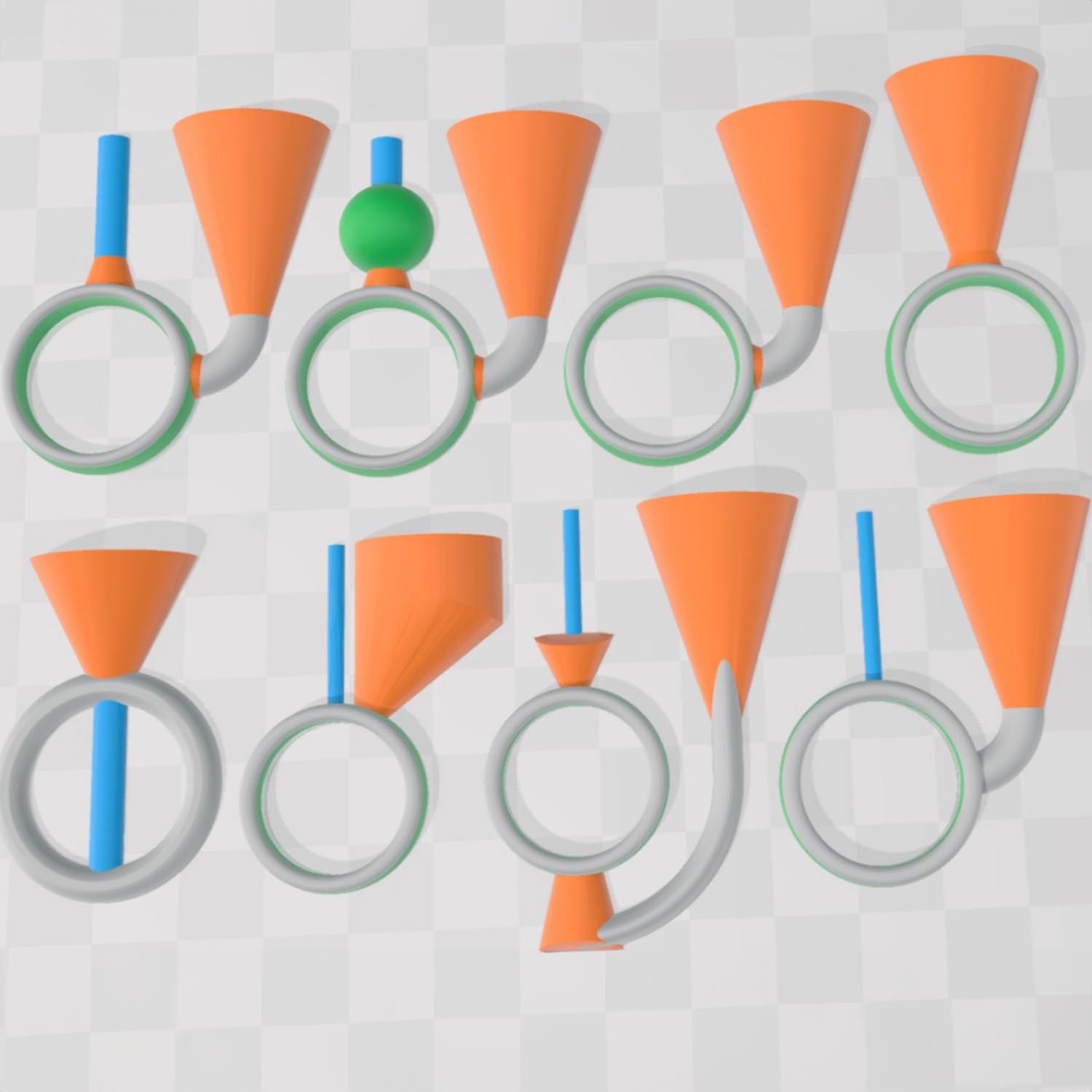
4. Pouring Channels and Vents: Add channels for the molten metal to flow and vents to release trapped air, improving casting quality.
STEP 2: 3D Print the Mould
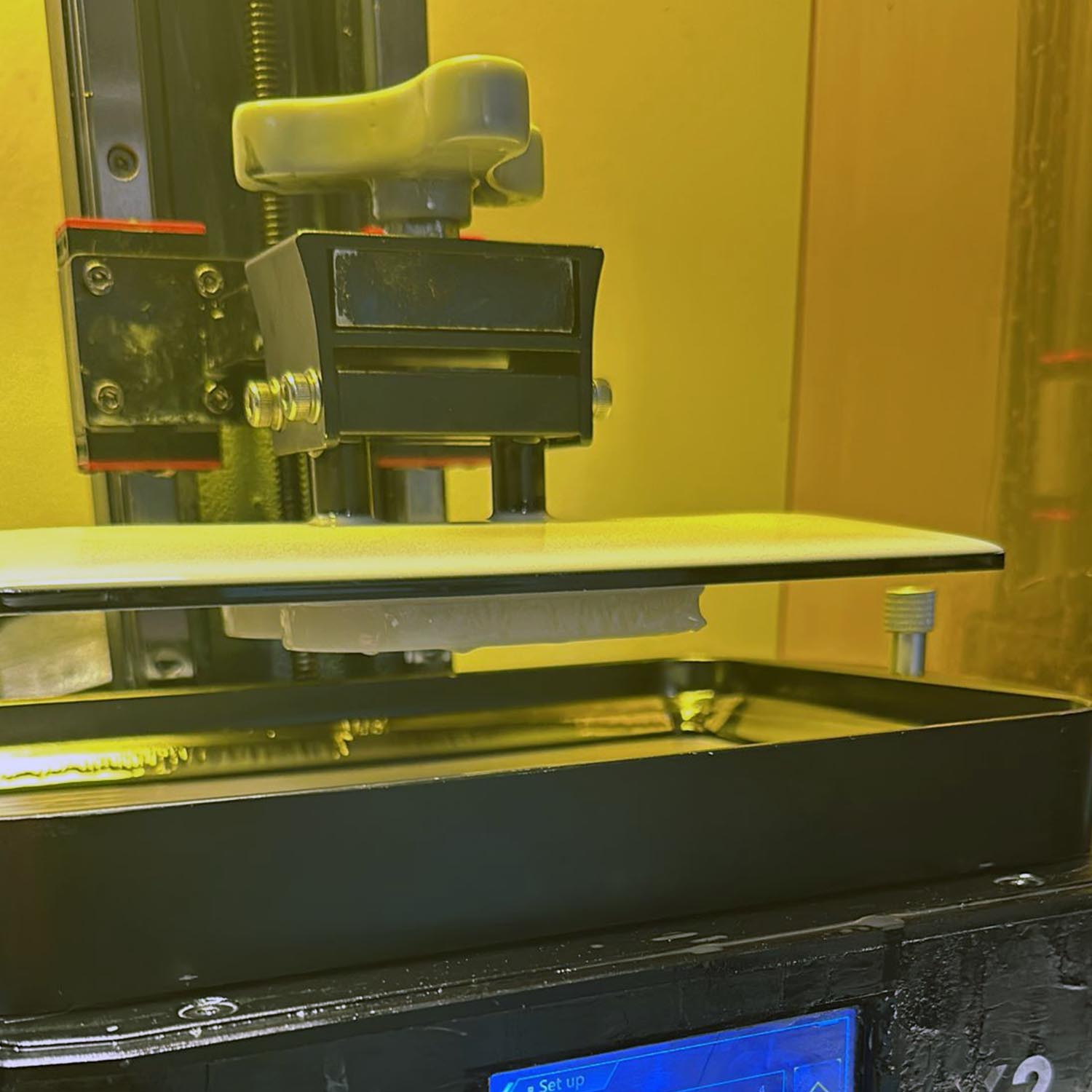
Printer Selection: Use a standard MSLA resin printer.
Resin Settings:
- Bottom Layer Exposure Time: Approximately 40 seconds.
- Normal Layer Exposure Time: Around 3 seconds.
- Layer Height: Set to 0.05mm for high-detail sections or 0.1mm for general areas.
Lift Settings: Increase lift heights for the bottom and normal layers to allow the resin to flow back under the model.
- Include a 1-2 second pause after each lift to ensure proper resin repositioning.
Shake the Resin: Before use, shake the ThermaCAST™ resin bottle thoroughly to ensure all components are evenly mixed. This is critical for achieving consistent results in your printed mould.
STEP 3: Post-Process the Mould
Cleaning: Rinse the printed mould with ResinAway or IPA to remove uncured resin.
- Use a soft brush (e.g., paintbrush) to clean intricate details and edges.
- Rinse with water to eliminate any solvent residues that could ignite during casting.
Drying: Ensure the mould is completely dry and free of moisture or cleaning solution residue. Use:
- A dehydrator or oven at 40-50°C for 30 minutes or longer (adjust based on mould size).
- Compressed air or a hairdryer to remove remaining moisture.
Post-Curing: To enhance the mould’s thermal and structural properties, cure it in a 405nm LED UV light unit for at least 1 hour.
STEP 4: Safety Preparation
Ventilation: Ensure your workspace is well-ventilated with overhead ducting or a fume cupboard to remove fumes and heat.
Safety Gear: Wear heat-resistant gloves, a full-face shield, a heat-proof apron, and closed leather shoes.
Fire Safety: Keep a powder-based fire extinguisher within easy reach. Ensure it is fully charged and regularly inspected.
- Conduct the casting process on a fire-resistant surface away from flammable materials.
Workspace Organisation: Remove clutter and keep tools neatly arranged to avoid accidents.
Metal Handling Tools: Ensure tongs, clamps, and other metal handling tools are clean, sturdy, and ready for use.
STEP 5: Prepare the Mould for Casting
Apply Release Powder: Use 100% pure talc powder or graphite powder (≤30µm) to coat the inside of the mould. This prevents sticking and facilitates smooth part release.
- Apply using a soft brush and gently tap to remove excess powder.
- Avoid cornstarch-based baby powders, as they can burn on contact with molten metal.
Assemble the Mould: Secure the pieces with clamps or clips for two-part moulds. Ensure:
- Clamps are tight enough to prevent metal leakage but allow air to escape.
- Additional clamps are used for larger or more intricate moulds to prevent warping at high temperatures.
Optional Priming: Pour a small amount of lower-temperature metal (e.g., pewter) for detailed moulds to remove excess powder and improve detail accuracy.
STEP 5: Pouring the Metal
Prepare the Metal: Melt the metal to its optimal pouring temperature.
- Use a thermocouple to measure accurately, as furnace gauges can be unreliable.
- Refer to the recommended pouring temperatures for your metal type (e.g., Pewter: 280-300°C, Zinc: 480-510°C).
Pouring: Slowly and steadily pour the molten metal into the mould at a 30-45 degree angle to release the trapped air.
- For large moulds, consider pouring in stages (e.g., pour 1/3 at a time, pausing between pours).
Cooling: Allow the metal to cool completely before removing the mould. Use colour-changing indicators (if available) to monitor the mould’s temperature.
STEP 6: Post-Processing the Metal Part
Release the Part: Carefully remove clamps or clips and open the mould.
- Gently extract the cast part using heat-resistant gloves.
Trimming and Smoothing:
- Trim sprues and excess metal using metal snips, band, or hack saw.
- Smooth edges and seams with a belt sander, file, or Dremel tool.
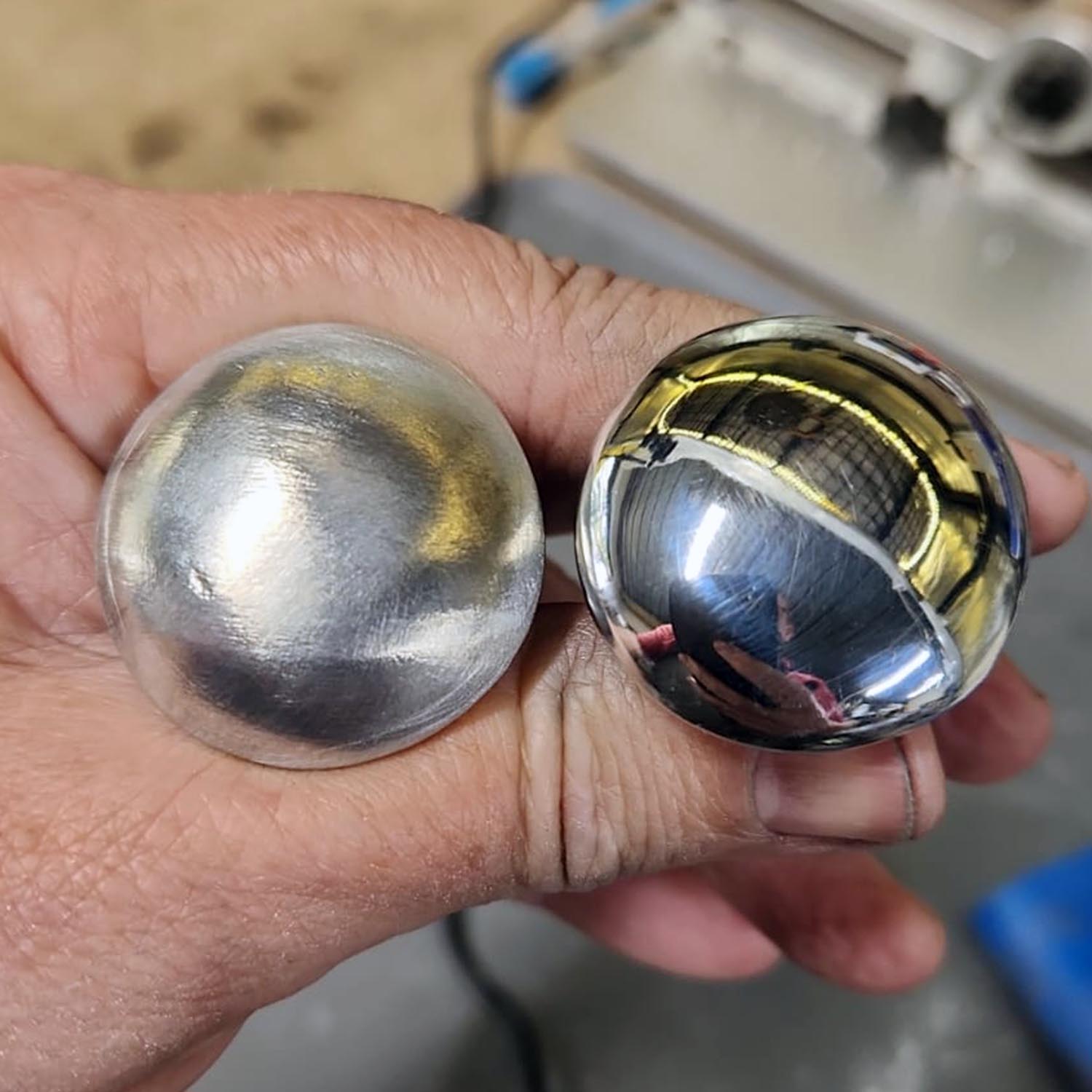
Polishing: Use wet and dry sandpaper and a buffing wheel to achieve a high-polish, mirror-like finish.
Protecting the Metal: Apply protective coatings, such as wax, specialty paints, or electroplating, to prevent corrosion, especially on metals like zinc.
ThermaCAST™ Applications & Considerations
Versatility and Application
ThermaCAST is suitable for various industrial uses, from automotive and aerospace components to intricate jewellery and artistic pieces. Its high-temperature tolerance makes it a versatile choice for various casting applications, ensuring that ThermaCAST delivers consistent, high-quality results no matter the project.
Advanced Formulation
ThermaCAST’s advanced formulation includes additives that enhance its performance under high temperatures. These ensure that the resin does not crack, split, or exhibit surface issues during the casting process, making it a reliable choice for professionals seeking a high-performance casting resin.
Ease of Use
ThermaCAST is designed with user convenience in mind. The resin is easy to handle and can be processed using standard 3D printing equipment. Detailed instructions are provided to ensure optimal results, from preparing the environment and adjusting print settings to post-print cleaning and curing.
Compatible Alloy Information
Here are some metals that can be cast at temperatures under 500°C:
1. Pewter: is a low-melting-point alloy, typically consisting of tin mixed with small amounts of other metals like copper, antimony, bismuth, or lead. It melts around 170-230°C, making it ideal for low-temperature casting.
2. Tin: has a melting point of around 232°C. It’s often used in casting for applications like figurines, medals, and small parts.
3. Lead: melts at about 327°C. It’s commonly used for casting fishing weights, bullets, and other applications where its density is advantageous.
4. Zinc: Its melting point is approximately 419°C, but it can be alloyed with other metals to lower it. Zinc alloys are frequently used in die casting for small components.
5. Bismuth: Melts at about 271°C. It is often used in low-melting-point alloys for safety devices like fire sprinkler systems and metalworking applications.
6. Cadmium: Although not commonly used due to toxicity concerns, cadmium melts at around 321°C. It’s sometimes found in certain low-melting-point alloys.
7. Indium: Indium has a melting point of 156°C. It’s used in some specialty low-melting-point alloys and for applications requiring soft, malleable metals.
8. Field’s Metal: This is a fusible alloy consisting of bismuth, indium, and tin, with a melting point of approximately 62°C. It’s often used in demonstrations and for creating fusible plugs in safety devices.
9. Wood’s Metal: Another fusible alloy with a melting point around 70°C, composed of bismuth, lead, tin, and cadmium. It’s used in similar applications to Field’s Metal.
10. Rose’s Metal: Melting at around 98°C, this alloy of bismuth, lead, and tin is used for similar applications where low melting points are advantageous.
Metal Melting and Pouring Temperatures Guide
The table below shows temperature ranges for low-melting-point metals ideal for ThermaCAST™ Resin moulds. Optimal casting temperatures are typically 50–100°C (122–212°F) above the melting point, depending on mould size, detail, and shape. These metals are commonly used for jewellery, custom components, and small-scale manufacturing.
| Metal | Melting Temperature (°C) | Melting Temperature (°F) | Optimal Pouring Temperature (°C) | Optimal Pouring Temperature (°F) |
|---|---|---|---|---|
| Pewter | 170–230 | 338–446 | 280–300 | 536–572 |
| Tin | 232 | 450 | 280–300 | 536–572 |
| Bismuth | 271 | 520 | 300–320 | 572–608 |
| Lead-Free Solder | 217–227 | 423–441 | 250–270 | 482–518 |
| White Metal | 200–250 | 392–482 | 280–300 | 536–572 |
| Zinc | 420 | 788 | 480–510 | 896–950 |
| Zinc Alloy (ZA12) | 432 | 810 | 480–500 | 896–932 |
| Zinc Alloy (ZA 3/5) | 386 | 727 | 430–450 | 806–842 |
| Indium Alloy | 156–200 | 313–392 | 220–240 | 428–464 |
This comprehensive Technical Data Sheet is designed to provide all the essential information needed to ensure precision and safety when using ThermaCAST™ Resin.
ThermaCAST™ LIQUID PROPERTIES
SKUs
M/TMC-4141NA
Viscosity
600cps @ 25°C(Brookfield RVT)
Odour
Low
Active Solids
100%
Shelf Life
12 months
UV Cure
385nm to 410nm
Particle Size
< 05um
Cure Speed
3 second Layers (MSLA)
Storage
Dark Cool & Dry Place
Wash Up
RESINAWAY® or IPA
ThermaCAST™ MECHANICAL PROPERTIES
Tensile Strength
45 Mpa
Elongation at Break
1–2%
Direct Heat Resistance
500°C (932°F)
Heat Deflection Temp (HDT)
150°C
Impact Strength
Low to Moderate
Hardness (Shore D)
95–98
Specific Gravity
1.5
Thermal Conductivity
Low
Safety First: Guidelines for Using ThermaCAST™
At Monocure3D, your safety is our priority. When handling ThermaCAST™ resin and engaging in metal casting, following all recommended safety protocols to minimise risks is essential. Always wear proper Personal Protective Equipment (PPE) and adhere to the guidelines outlined in the Safety Data Sheet (SDS) provided with this product.
Recommended PPE
- Insulated, heat-resistant gloves
- Full-face shield
- Fume mask or respirator
- Leather apron
- Closed-toe safety boots
Disclaimer
Monocure3D is not responsible for any injuries or damages resulting from the use of ThermaCAST™ resin. While we have provided thorough safety information to guide you, you must ensure proper precautions are taken.
We strongly recommend learning the art of metal casting from experienced professionals before starting. Contact your local foundries or metal casting houses for advice, and consider enrolling in metal casting courses to build your knowledge and confidence.
The Safety Data Sheet (SDS) provides detailed and confidential information about the handling, storage, and safe use of ThermaCAST™ Resin. Access to the SDS requires entering your details to ensure compliance with safety standards and protect this proprietary information. This measure helps prevent sharing sensitive data on social media or other public platforms. Click the button below to proceed to the download page and submit your information to receive the SDS securely.
How to Achieve the Best Results
ThermaCAST resin is versatile and can be printed between 10 and 100-micron layer heights. To achieve the best results, 3D models should always be designed solid.
Check our printer settings page to see if we have your printer listed, which will give you a good starting point. Use a calibration model to dial in your printer with our resin.
We are here to help! Please get in touch with us if you need assistance. Local manufacturing means local support. You are not just buying a product from a faceless company when you buy from us. We have years of 3D printing and technical support experience. Check out our YouTube Channel and subscribe to keep up with the latest from the resin 3D printing world!
ThermaCAST™ | Final Tips
Keep Moulds Cool Between Casts
Allow your mould to cool completely before reusing to prevent warping or cracking, especially for intricate designs.
Monitor Metal Temperatures
Always use a thermocouple to ensure the molten metal is at the optimal pouring temperature, as furnace gauges can be inaccurate.
Use High-Quality Release Agents
Apply 100% pure talc or fine graphite powder to ensure a clean part release. Avoid cornstarch-based products, as they can burn.

Plan for Safety First
Always work in a well-ventilated area, wear proper PPE (heat-resistant gloves, face shields, and aprons), and keep a powder-based fire extinguisher nearby.
ThermaCAST™ | Recommended Materials & Tools
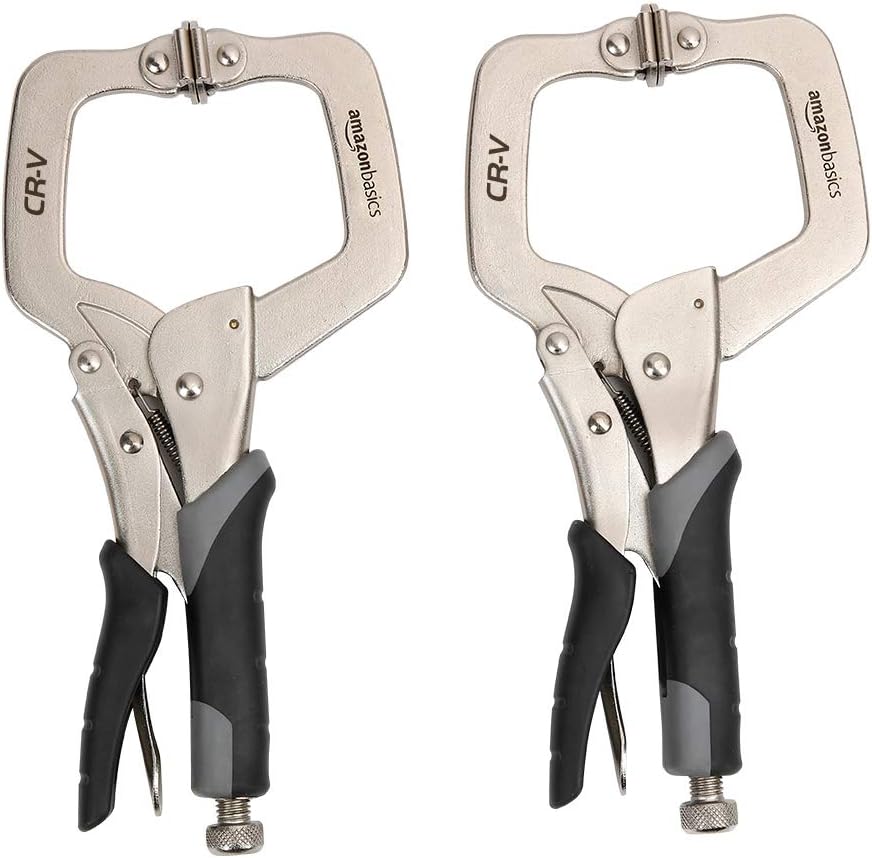
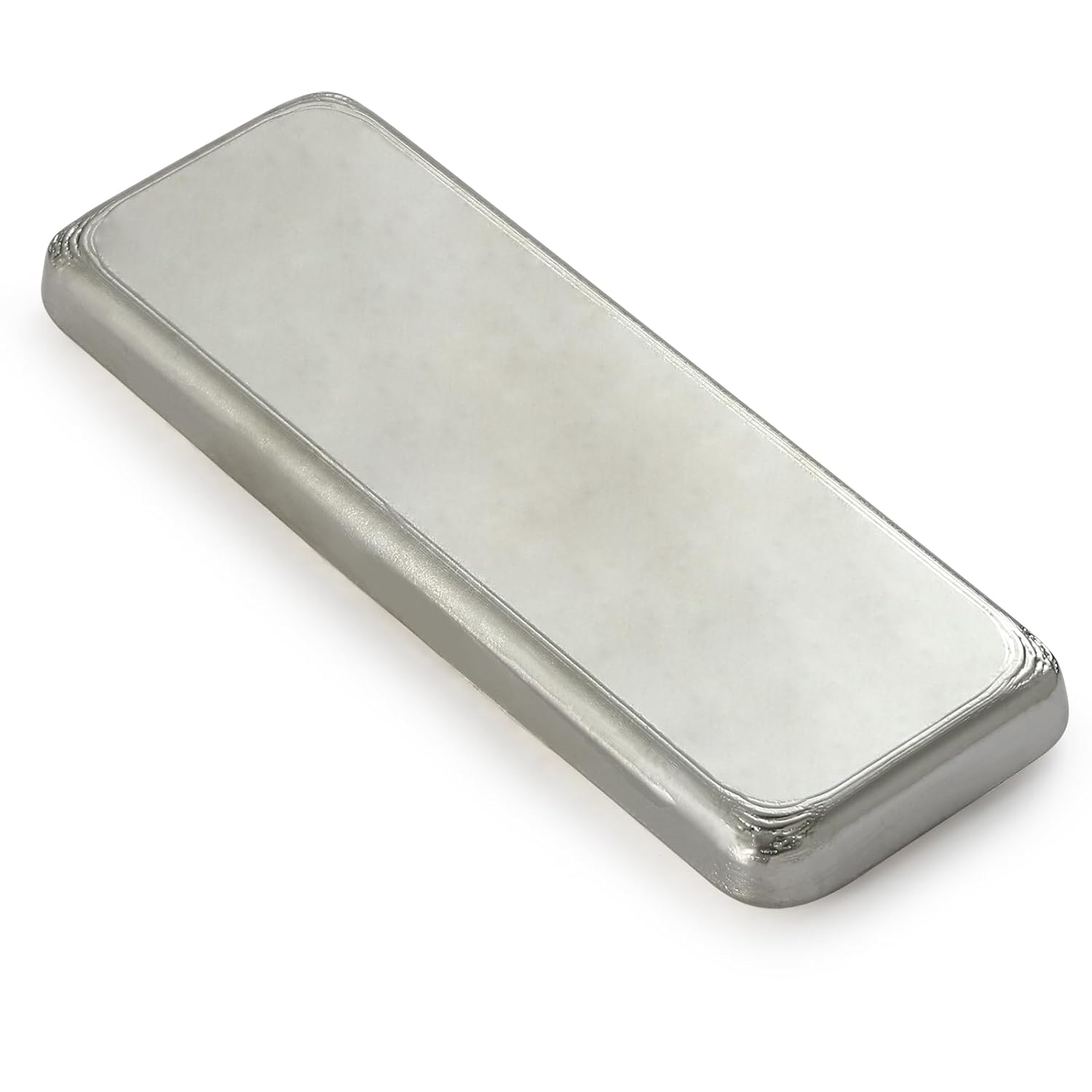
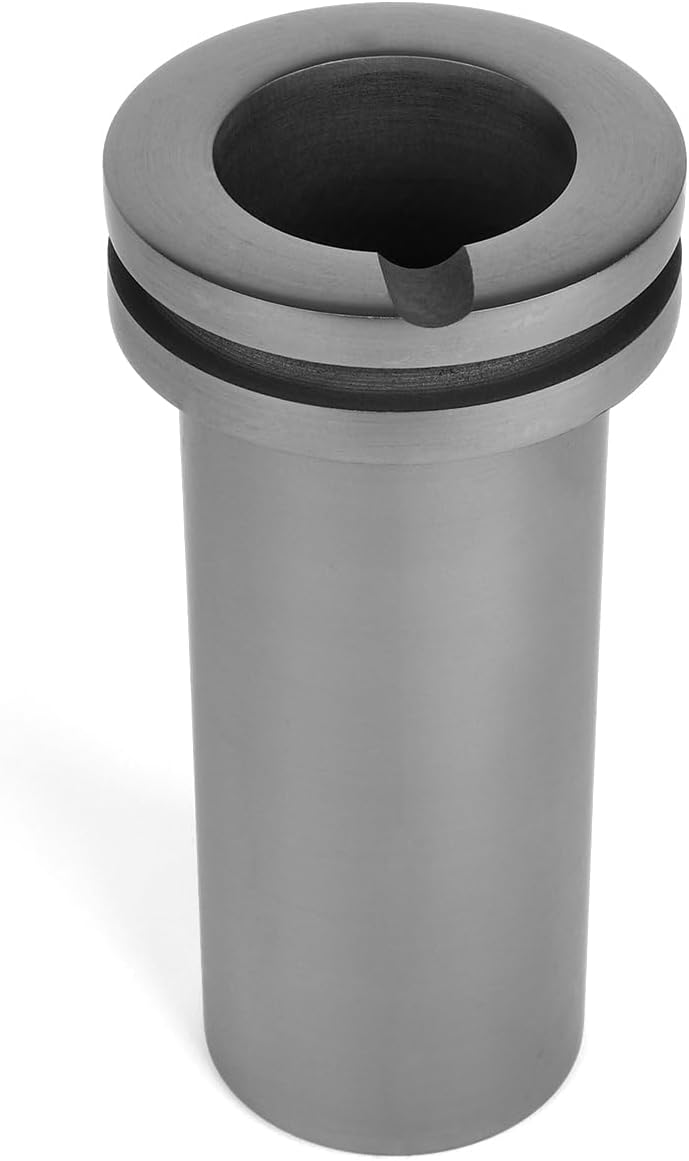
To ensure optimal results and safety when using ThermaCAST™ Resin for high-temperature metal casting, we recommend the following tools and equipment:
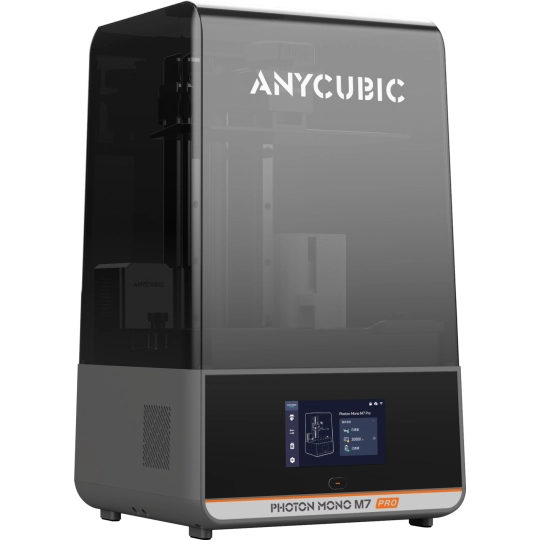
1. Desktop Resin-Based 3D Printer:
Essential for printing your models with ThermaCAST™ Resin.
Shop Resin 3D Printers on Amazon
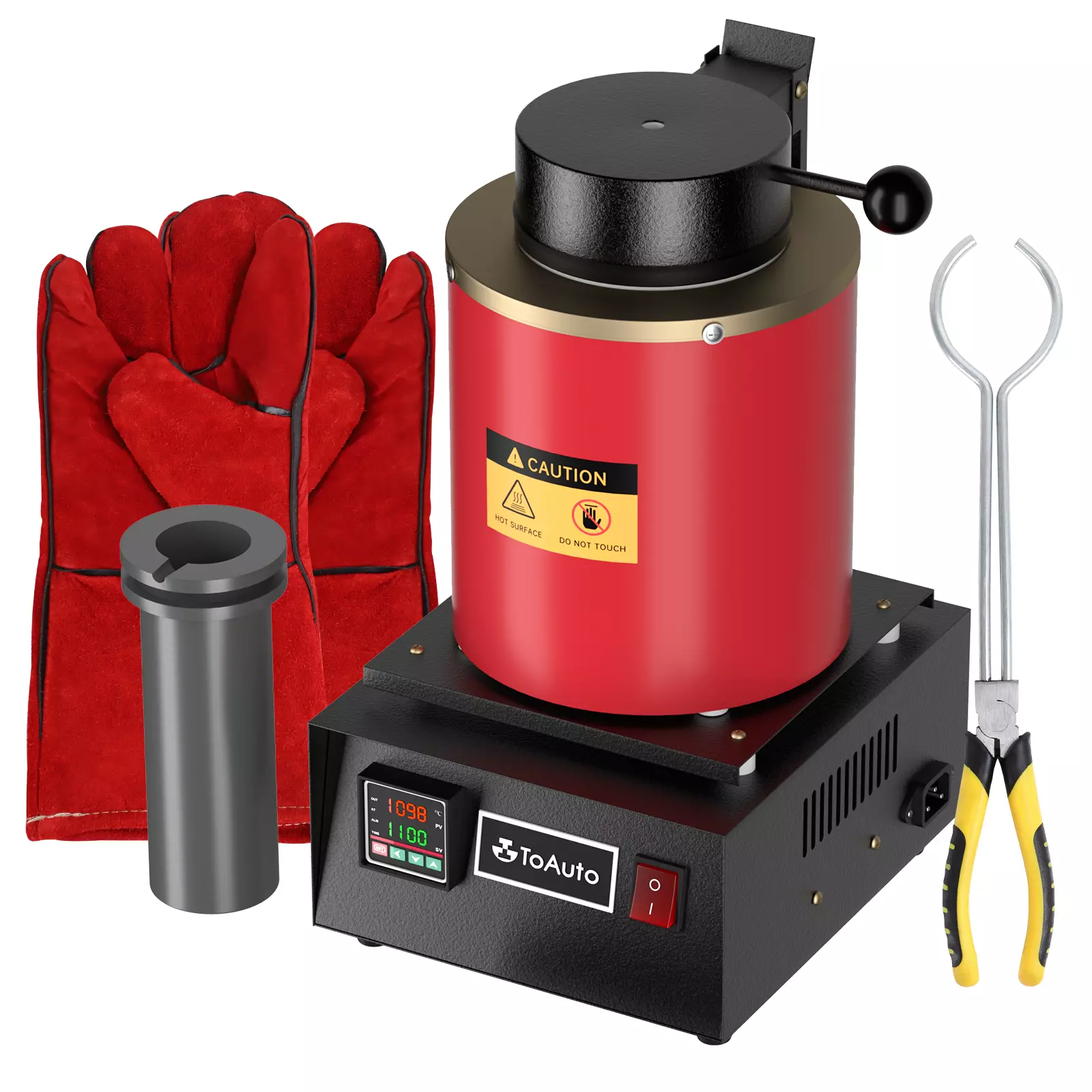
2. Low-Cost Furnace:
It is necessary for melting metals that require higher temperatures. However, a pot on the stove may suffice for melting low-temperature metals like pewter.
Shop Furnaces on eBay
3. Safety Equipment:
Insulated heat-proof gloves – Find on Amazon
Leather apron – Find on Amazon
Full face shield – Find on Amazon
Safety boots with metal capping – Find on Amazon
Rated mask for fumes – Find on Amazon
4. Ventilation System:
An adjustable extraction duct or fume cupboard is needed to ensure proper ventilation and reduce fume exposure.
Shop Ventilation Systems on Amazon
5. Powder-Based Fire Extinguisher:
Keep close by for safety in case of fire.
Find Fire Extinguishers on Amazon
6. Post-Processing Supplies:
ResinAway or IPA for cleaning printed models
A toothbrush or similar brush for scrubbing uncured material – Shop Brushes on Amazon
Soft cloth or sponge for wiping down models – Find Cleaning Supplies on Amazon
Compressed air or hairdryer to ensure models are free of solvents and moisture – Buy Compressed Air on Amazon
7. Mould Preparation Materials:
Real TALC powder or 30-micron graphite powder for use as a release agent and to protect mould surfaces –
Find TALC Powder on Amazon or
Graphite Powder
Soft makeup brush for applying powder
8. Clamps:
Metal clamps or similar for securing moulds during the casting process –
Shop Metal Clamps on Amazon
9. Basic Casting Tools:
Crucible for melting metal – Find Crucibles on Amazon
Pouring ladle for handling molten metal – Shop Pouring Ladles on Amazon
Tongs for safely handling hot items – Find Tongs on Amazon
11. Optional Priming Equipment:
Lower temperature metal (e.g., pewter) for priming the mould surface –
Shop Pewter Metal on Amazon
12. Cooling Setup:
Optionally, a water bath for purging the mould to cool it before releasing the cast –
Shop Water Bath Containers on Amazon
These tools and equipment will help you achieve the best results with ThermaCAST™ Resin, ensuring safety and efficiency in your high-temperature metal casting projects.
Frequently Asked Questions (FAQs)
ThermaCAST™ is compatible with a variety of low-melting-point metal Alloys (under 550°C), including:
- Pewter
- Zinc and Zinc Alloys (such as ZA2 / 3 / 12)
- White Metals (e.g., Tin Alloys, Bismuth Alloys)
- Bismuth Alloys
- Lead-Free Solder Alloys
- Indium Alloys
NB: Always ensure the materials pouring temperature does not exceed 550°C.
While ThermaCAST™ is durable and suitable for repeated use, high-volume production may require multiple moulds or considering other materials designed for mass manufacturing. ThermaCAST™ is ideal for small to medium-scale projects, prototyping, and bespoke applications.
After post-curing, allow the mould to air dry thoroughly. For added assurance, use a dehydrator or low-temperature oven (40-50°C) for at least 30 minutes, adjusting the time based on mould size. Ensure no moisture or cleaning residue remains by using compressed air or a hairdryer.
Possible reasons include:
- Check the design of the mould: Ensure it has adequate draft angle and is free from any undercuts.
- Insufficient Application of Release Powder: Ensure a light, even layer of talc or graphite powder.
- Overly Tight Clamps: Prevent proper release by adjusting clamp tightness.
- Mould Warping: Excessive heat can warp the mould, affecting release.
- Inadequate Cooling: Allow sufficient cooling time before attempting to remove the part.
Yes, ThermaCAST™ moulds are designed for multiple uses. Proper maintenance, cleaning, and careful handling will extend the lifespan of your moulds. Reapply release powder before each use to ensure easy part release.
If your mould shows signs of warping or cracking:
- Assess Usage: Ensure you are not exceeding the recommended temperature limits.
- Wall Thickness: Verify that mould walls are sufficiently thick.
- Cooling: Allow adequate cooling between pours to prevent thermal stress.
- Storage: Store moulds properly to avoid deformation.
When used according to guidelines and with appropriate PPE, ThermaCAST™ is safe for handling. Always follow safety instructions to minimise exposure to uncured resin and molten metals.
Dispose of excess resin and cleaning solvents in accordance with local regulations. Do not pour resin down drains or dispose of it in regular trash. Refer to your local waste management guidelines for proper disposal methods.
Search on Amazon or eBay for “electric metal melting furnace”. For Safety Gear, check your local hardware store in the welding section for gloves, face shields, and aprons.
Metal Alloys can be found on ebay or Google search, try “casting metals for sale” or visit local metal suppliers for pewter, zinc, or white metal alloys.