
Plant Based Resin – miracle material or marketing hoax?
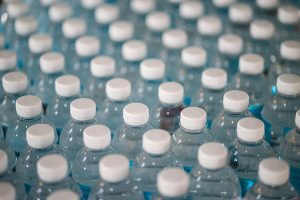
When plastic was first invented in the late 19th century, it was celebrated as a miracle material. It has helped us preserve and transport food; it has reduced the spread of disease, and it has brought us lightweight, more fuel-efficient transport.
But the problem isn’t the material itself. It’s the way we use it. We waste finite fossil fuels to produce items that are used just once, sometimes for a few minutes… or just a few seconds.
When these items end up in the environment – whether in oceans or in landfills – they leach harmful chemicals and cause further damage to our ecosystems.
So, it’s no surprise that plastic is at the top of the sustainability agenda. With mounting pressure from consumers, conscious competitors and environmental groups, companies are scrambling for alternatives.
“Environmentally-friendly” resin?
Have you heard of ‘Bio’, ‘eco-friendly’ or ‘plant based’ resin before? While it may sound environmentally friendly, the meaning is quite ambiguous. If a material is labelled as Bio, it means that it’s either…
- Plant-based (made in part or completely from organic matter, e.g. soybean). The cured resins are not necessarily biodegradable.
- Biodegradable (biodegradable resin can sometimes be made entirely from fossil fuels)
- Both plant-based and biodegradable
It’s important that as we move into using alternatives, we are aware of what we are consuming and how we should be discarding it.
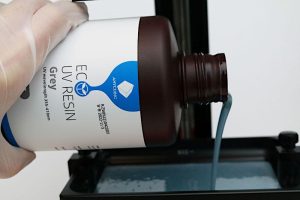
So, what exactly are plant based resins?
Plant based resin claims to be created from agricultural scraps, often from soy. The term ‘plant-based’ refers to the source of the material itself, not how the resulting cured resin will behave after it’s been thrown away.
But, there’s a catch! In order for a plastic to be labelled ‘plant based’ only a tiny 20% of the ingredients need to be from renewable, organic materials. This means the resulting plastic could still be non-biodegradable and be made from up to 80% fossil fuels!
Not so green after all…
The future of ‘Plant Based’ Resin
Plant based resin may seem attractive at first glance – but in order to not dig ourselves further into the hole of global plastic pollution, it’s important that we examine all of the options carefully. Please request documentation from the manufactures to prove their claims are true. If it sounds too good to be true, it usually isn’t! As demand grows, we hope that suppliers, manufactures and individuals support the options that are best for people and for the planet.
What do you think about this topic? Let us know in the comments below, or on Facebook, Twitter or Instagram
If you’re interested in reading more about 3D Printing and Sustainability, you may enjoy THIS blog.