Showing all 2 results
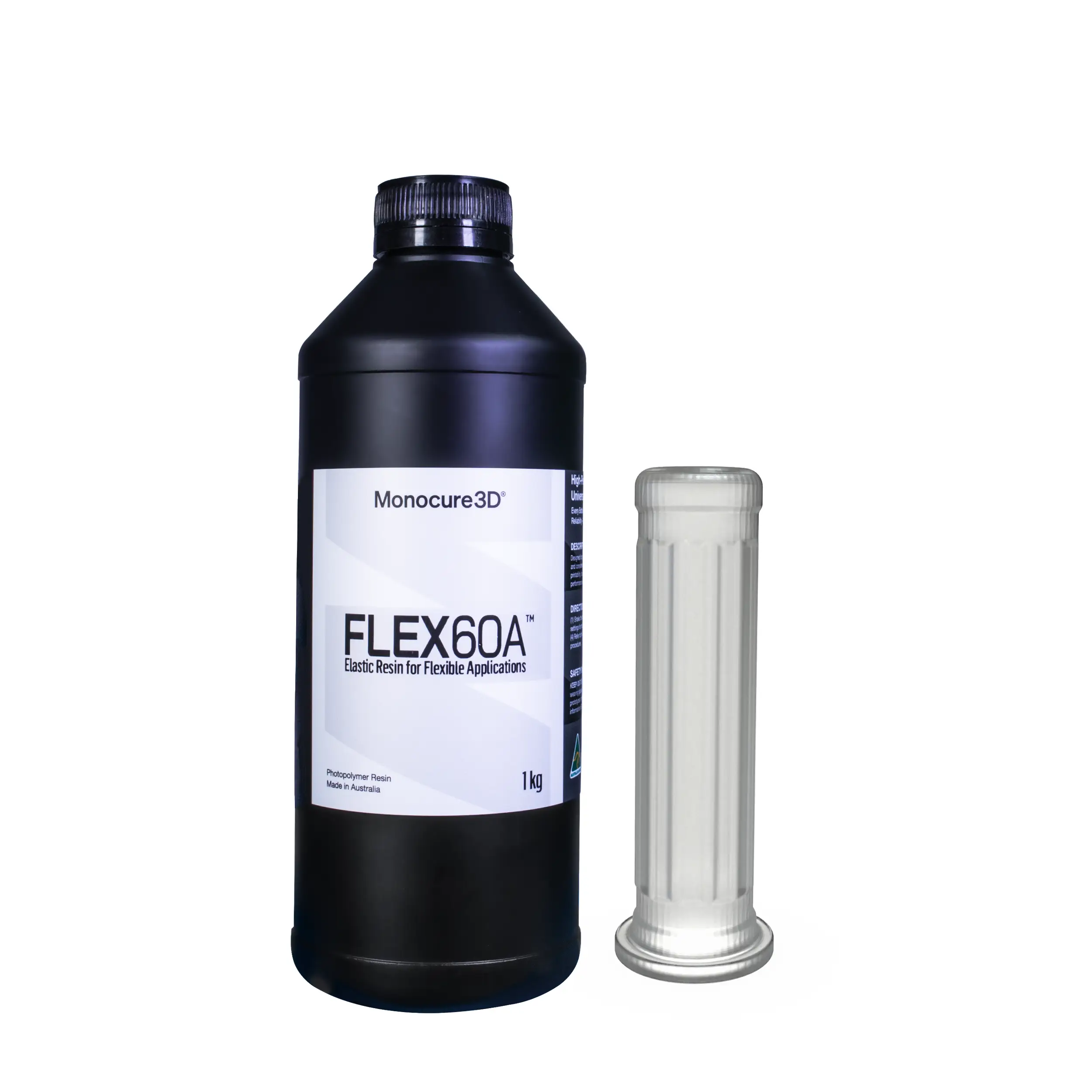
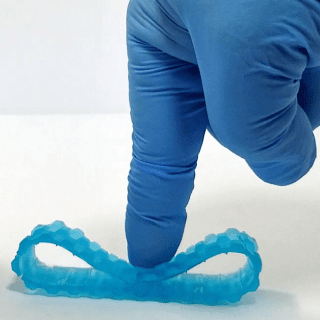
Flex60A Resin - Translucent
USD$65.27 – USD$261.07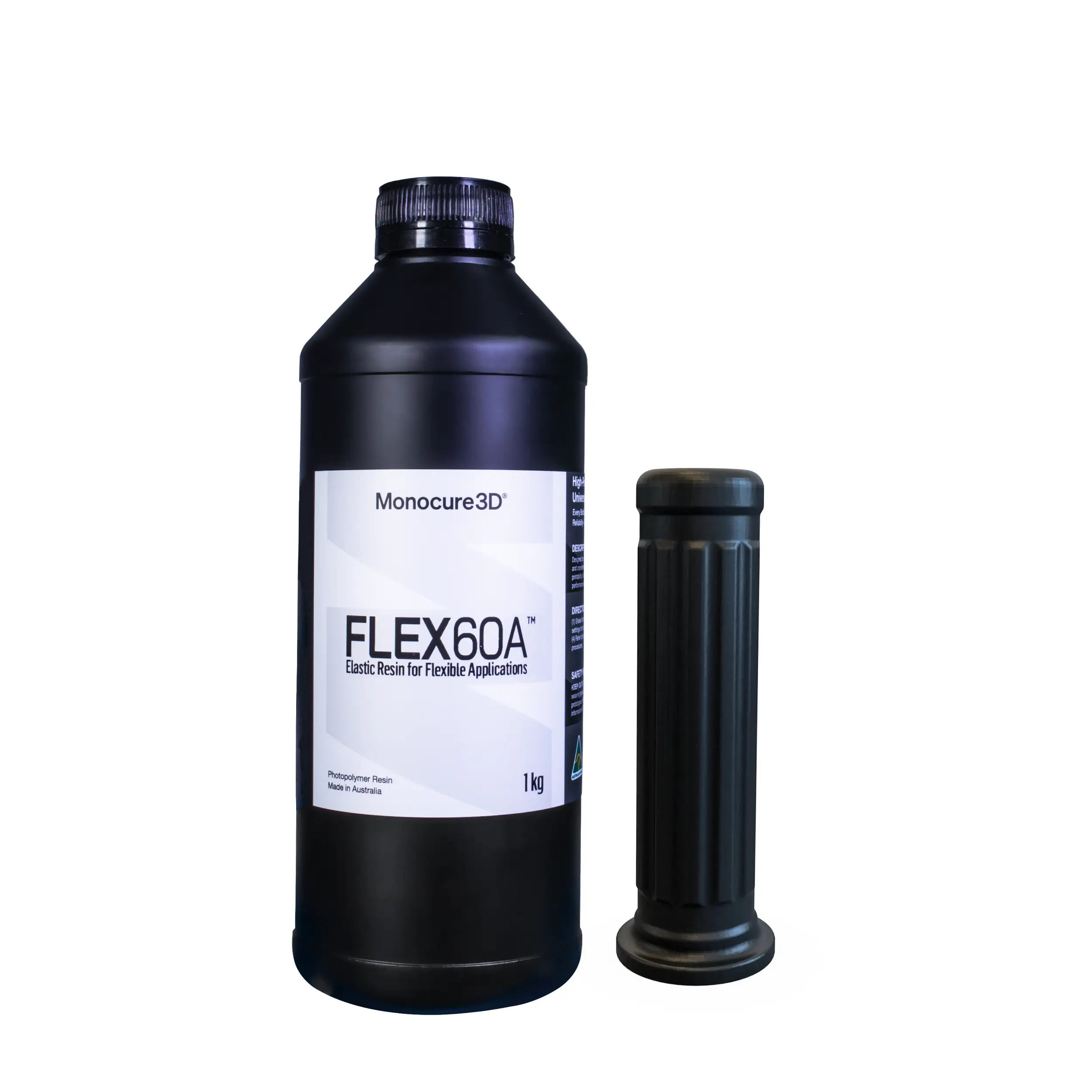
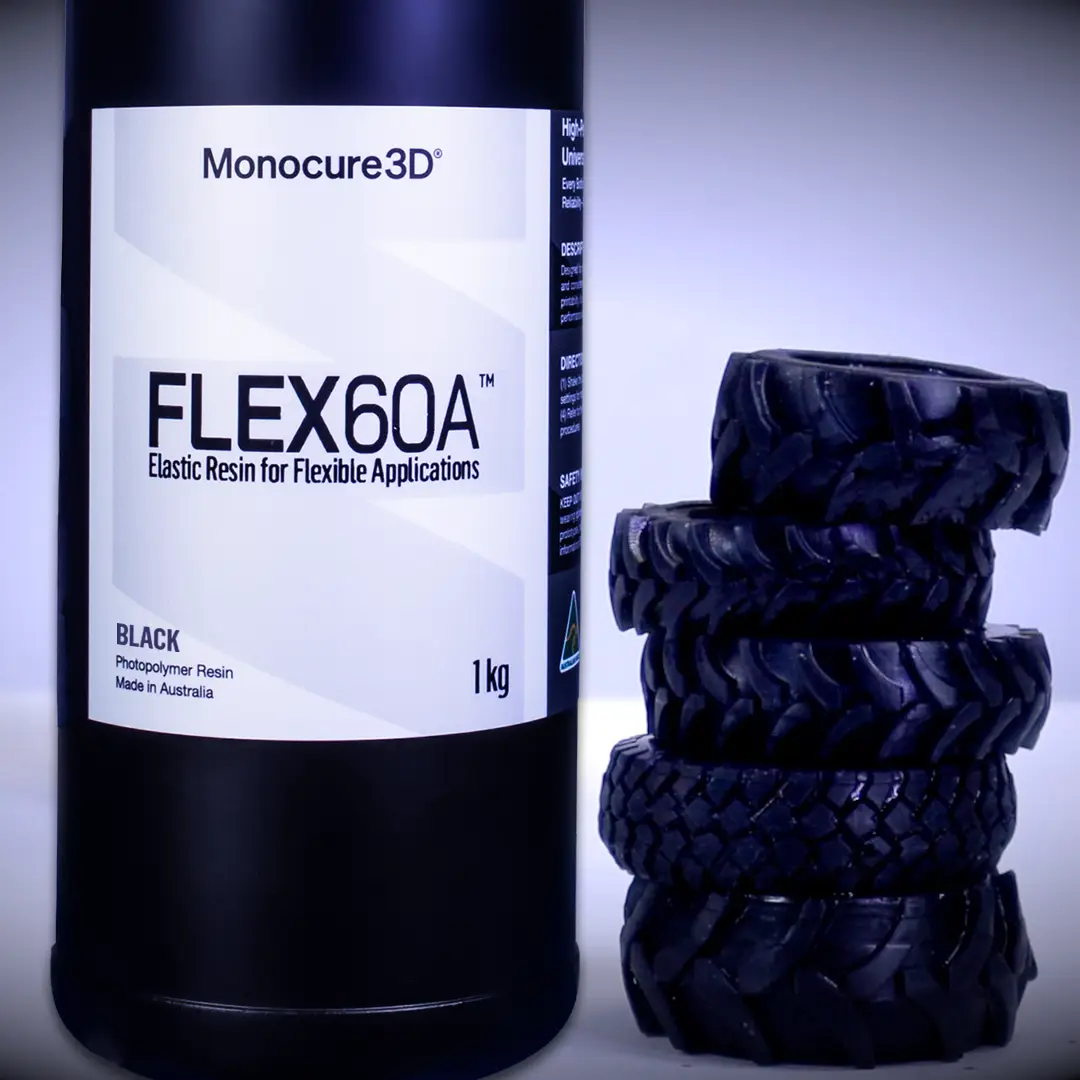
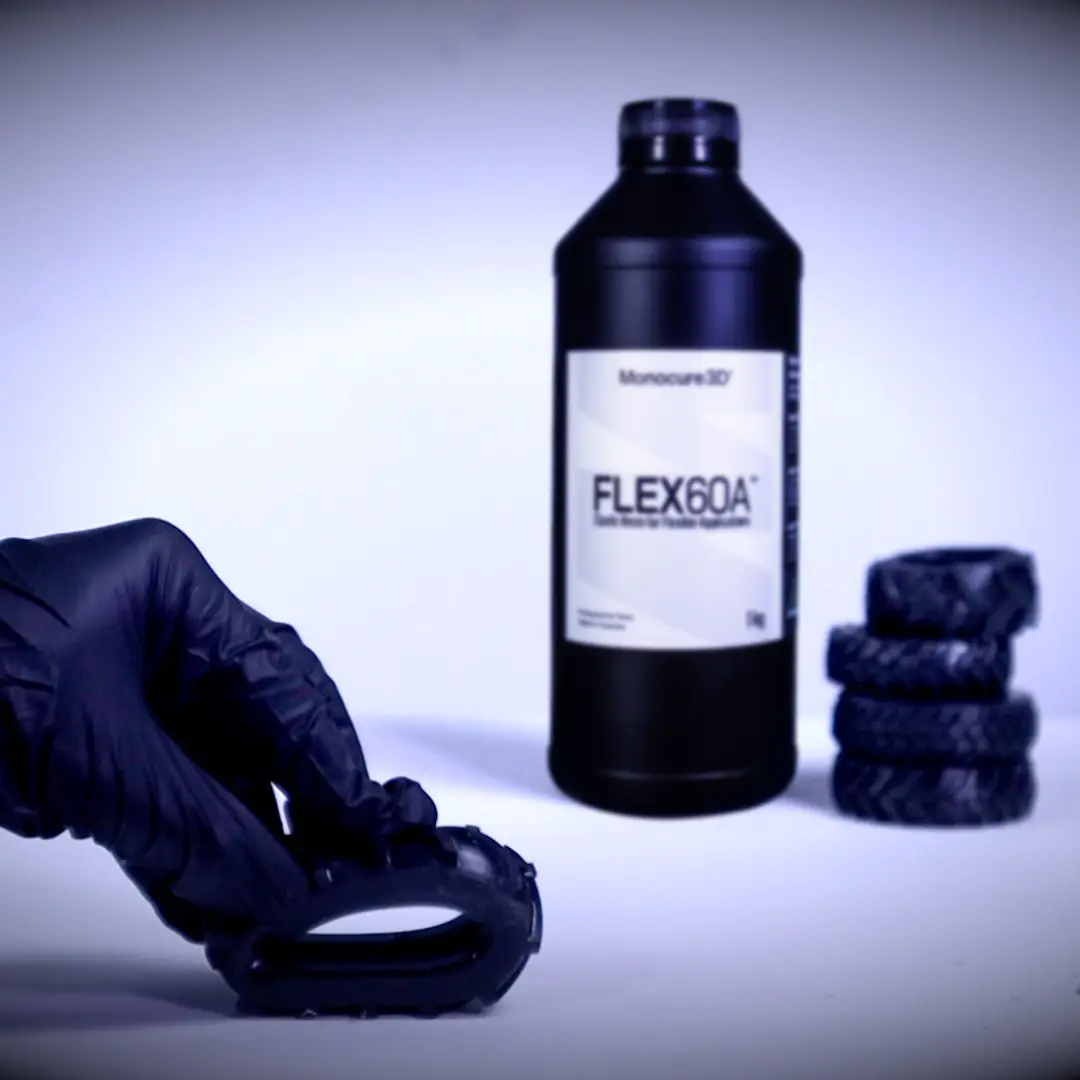
Flex60A Resin - Black
USD$65.27 – USD$261.07FLEX60A Resin: Precision Meets Flexibility
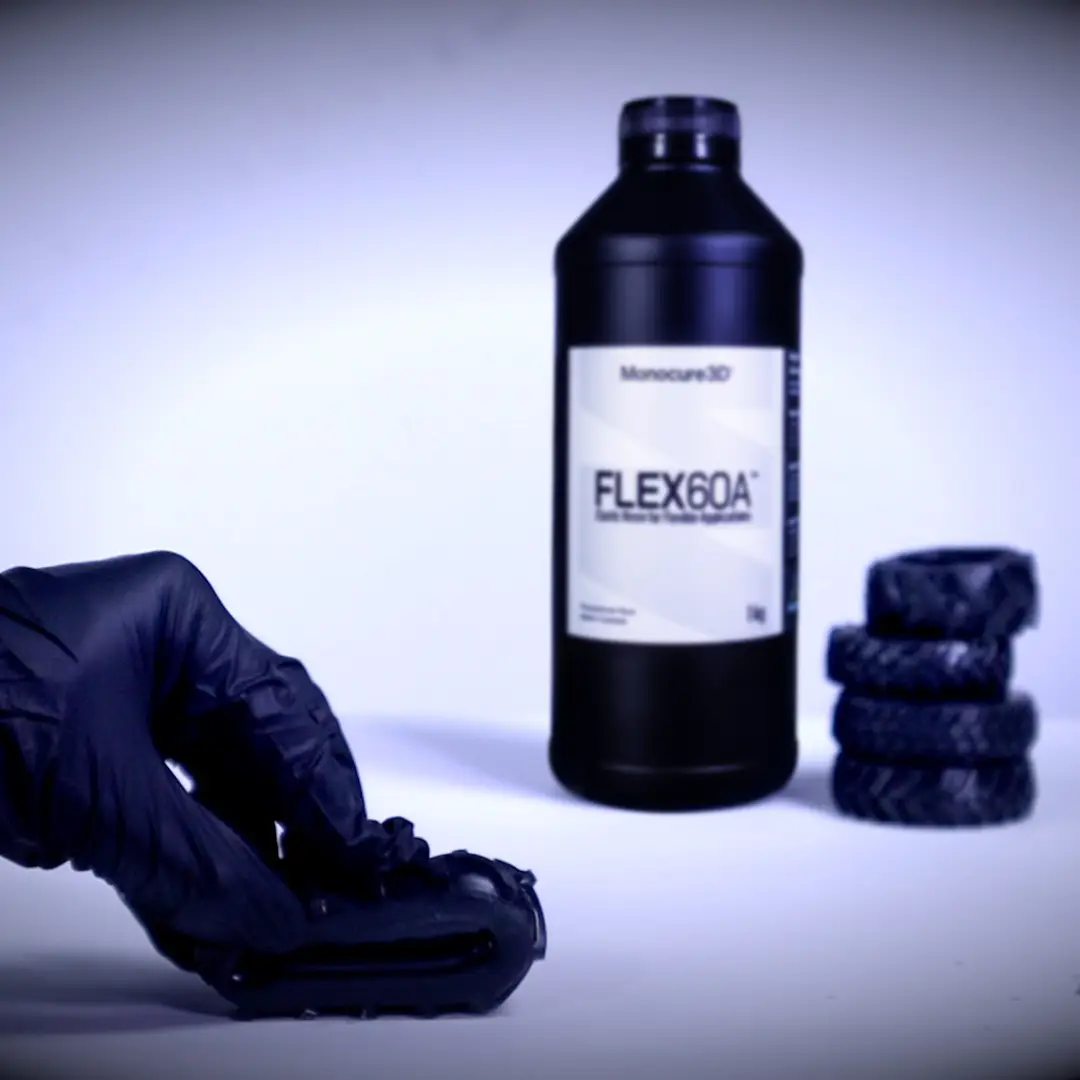
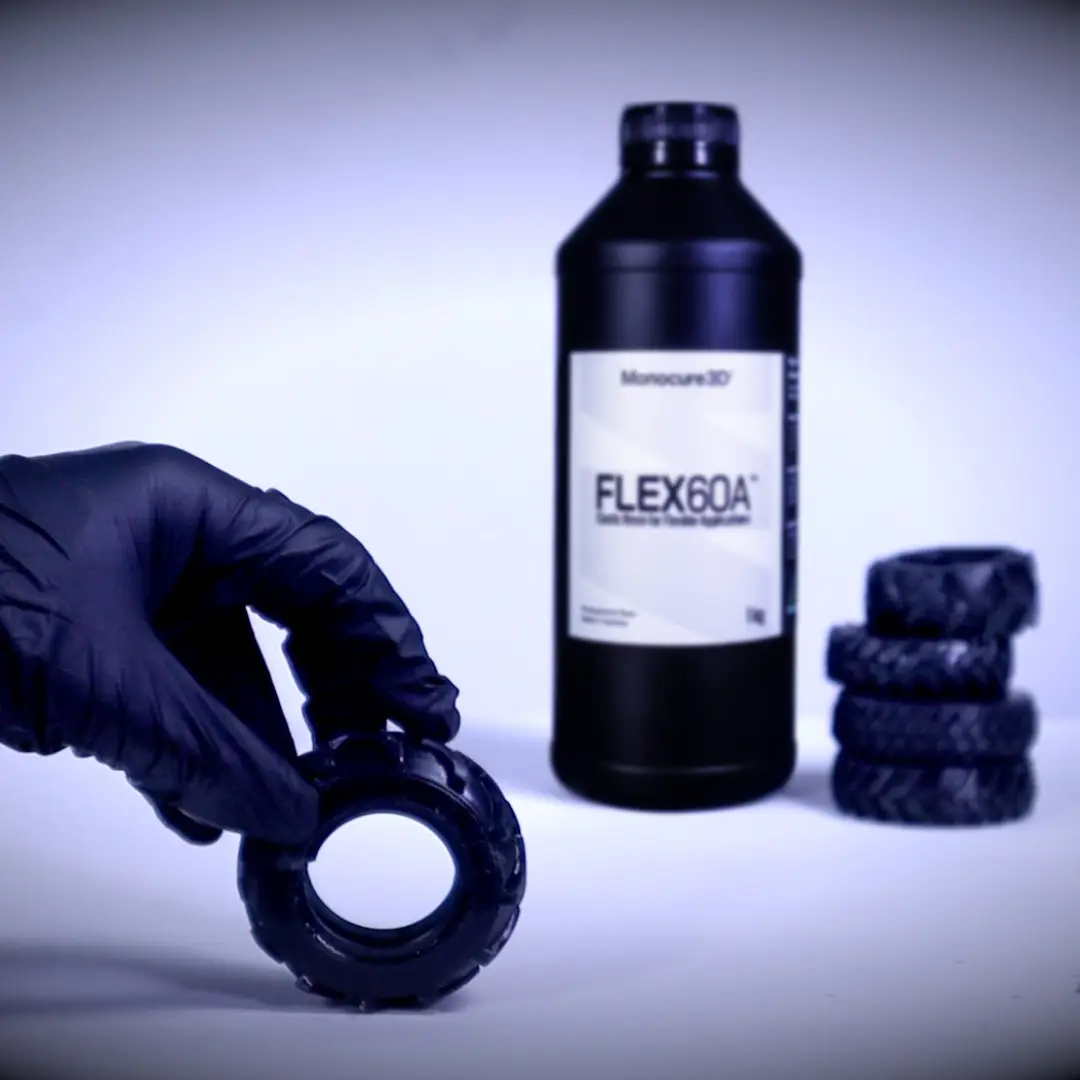
Monocure3D is proud to introduce Flex60A Flexible Resin, the perfect solution for applications demanding flexibility, durability, and precision. Available in Black and Translucent, this advanced resin combines exceptional material properties with ease of use, catering to professionals and hobbyists alike.
Flex60A delivers an authentic rubber-like experience featuring exceptional elasticity and rebound. With an elongation capacity exceeding 166%, this resin ensures that your prints maintain their original shape even after being stretched. This unique formulation bridges the gap between robust flexibility and durable performance, setting a new benchmark in flexible 3D printing materials.
Key Advantages of Flex60A Resin
Outstanding Elasticity
Flex60A mimics the properties of rubber, making it ideal for functional prototypes and parts that require flexibility and stretchability.
Durable and Resilient
Engineered for long-lasting performance, the resin maintains integrity under stress and repeated use.
High-Resolution
Achieve detailed prints with minimal shrinkage or splitting, ensuring superior precision for even the most intricate designs.
Versatile Applications
Flex60A mimics the properties of rubber, making it ideal for functional prototypes and parts that require flexibility and stretchability.
4 Printing Tips for Flex60A Flexible Resin
Use Adequate Supports
When working with Flex60A, it’s crucial to provide adequate support to maintain the model’s integrity throughout the printing process. Flexible resins benefit from thicker, well-anchored supports placed strategically in critical areas prone to movement or deformation. Properly positioned supports help prevent sagging or warping during printing. Additionally, ensure the supports are designed for easy removal to avoid damaging the model. Testing and refining your support strategy can make a significant difference in achieving flawless prints.
Increase Lift Height
Adjust the lift height to a higher setting to ensure the resin separates cleanly from the FEP film during printing. This reduces suction forces that can cause print defects, especially with flexible materials like Flex60A. Proper lift height is essential for maintaining the integrity of each layer and preventing warping or tearing during the peeling process. Testing different lift heights can help optimise this step for your printer and resin combination. A well-adjusted lift height minimises stress on the printer’s mechanical components, resulting in more consistently successful prints.
Optimal Post-Cure
Proper post-curing is essential to achieving Flex60A's full potential, ensuring the printed model achieves its intended flexibility, durability, and surface finish. UV post-curing is necessary—place your print in a UV curing chamber for 30-60 minutes. For optimal mechanical properties, heat curing is recommended. This involves a second cure at 60–70°C for 60 to 120 minutes, allowing the material to develop its mechanical strength while maintaining flexibility.
Best Finishing Practices for Flex60A Flexible Resin
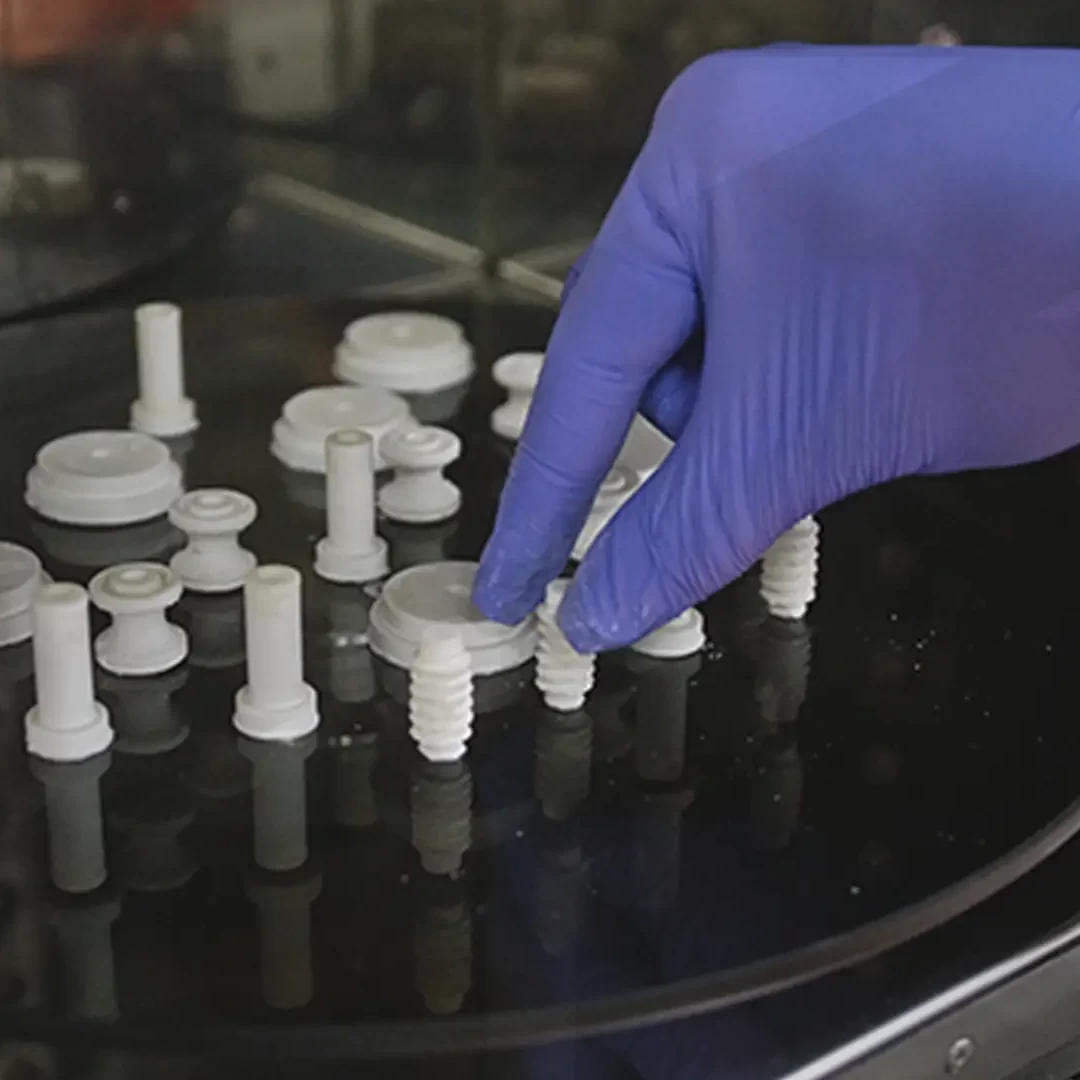
1. Careful Removal from the Build Plate: Use a scraper to remove the print from the build plate gently. Take extra care to avoid applying excessive force, as this can deform or damage the model’s edges.
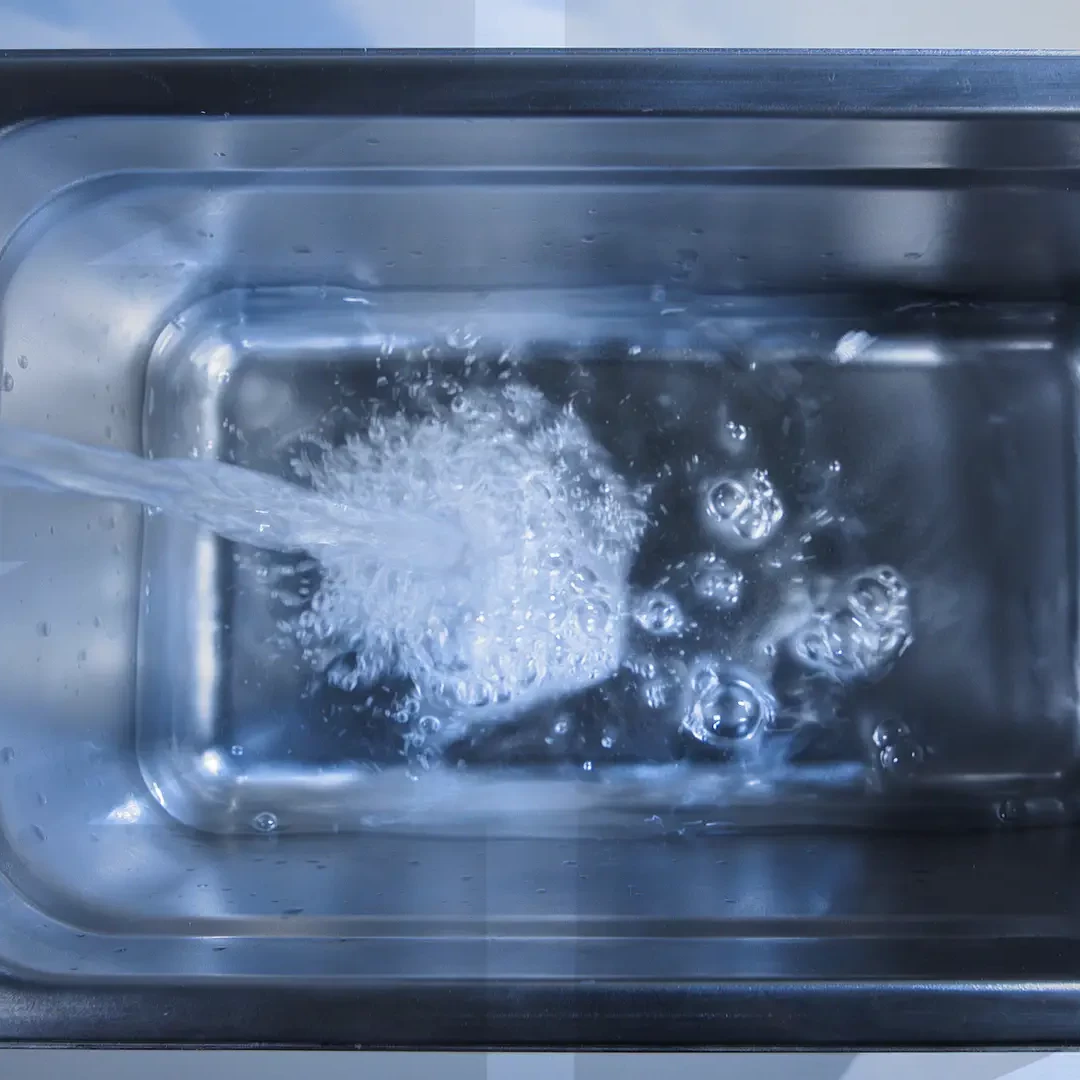
2. Thorough Cleaning: Rinse the printed part in a resin cleaning solution, such as ResinAway, to remove any uncured resin from the surface. Agitate the part gently in the cleaning solution for a few minutes, ensuring all areas are clean and significantly finer details.
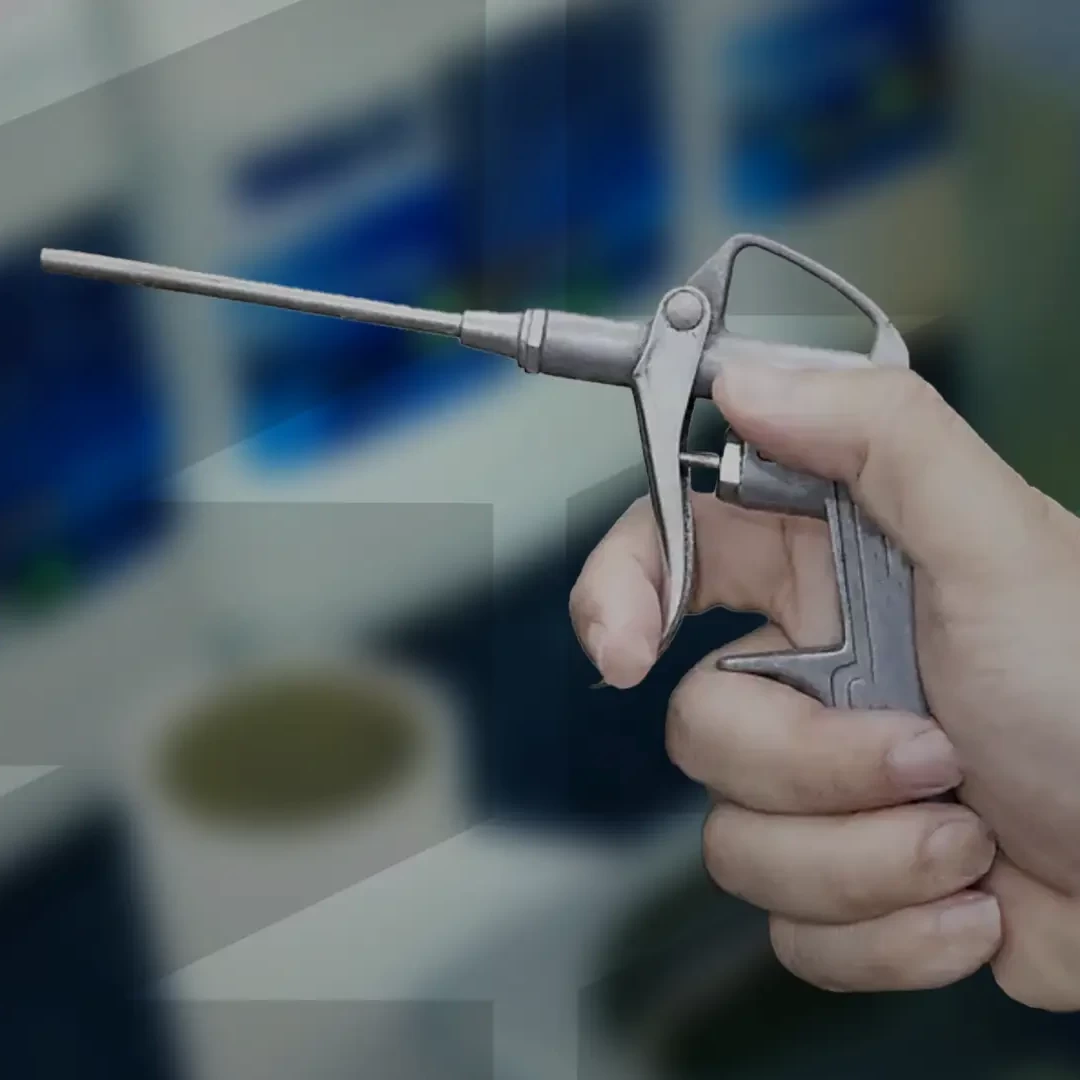
3. Dry Completely Before Curing: After cleaning, allow the print to air dry or pat it gently with a lint-free cloth to ensure no cleaning solution remains, as the leftover liquid can interfere with the curing process.
4. Controlled UV Curing: Place the part in a UV curing chamber and follow the recommended curing times and light intensities for Flex60A. Rotate the model periodically during curing to ensure even exposure.
5. Heat Curing: This involves curing at 60–70°C for 60 to 120 minutes, allowing the material to develop its mechanical strength while maintaining flexibility fully.
FLEX60A LIQUID PROPERTIES
Product Code(s)
M/FLX-4161BK, M/FLX-4162T
Colour(s)
Black, Translucent
Viscosity
1400-1800 cps @ 25°C (Brookfield RVT)
Odour
Negligible Characteristics
Shelf Life
36 months
Active Solids
100%
UV Cure
405nm (optimal)
Cure Speed
2-4secs
Storage
Dark Cool, dry place out of direct sunlight
Wash Up
RESINAWAY® or IPA
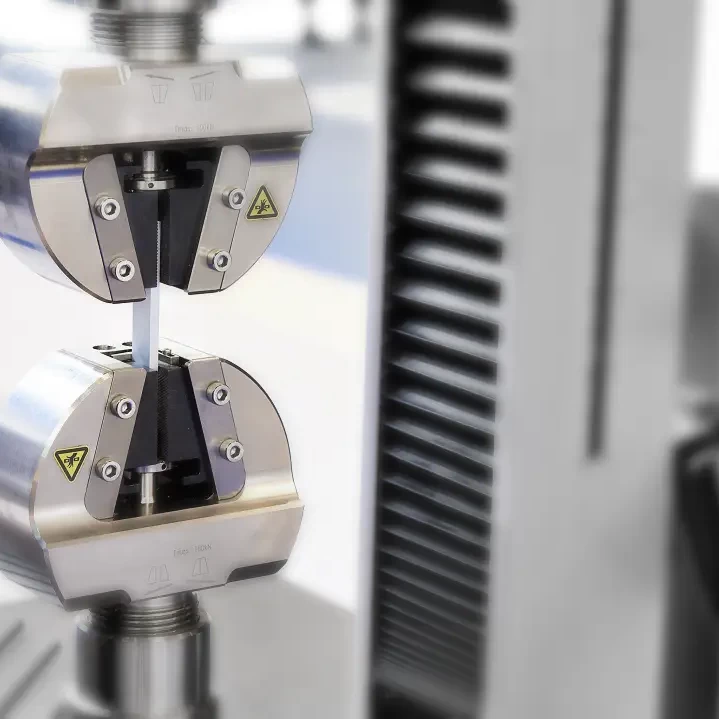
FLEX60A MECHANICAL PROPERTIES
Method Code: ASTM D638-14
Product: Monocure3D FLEX60A Resins (50μm)
Acceptance Code: Supply Findings
Specimen Type: Rectangular beam samples (Type IV)
Equip’ Serial No: UTM Serial No. 075
Conditioning: Tested at ambient temperature
SKUs
M/FLX-4161BK, M/FLX-4162T
Cross-Sectional Area (mm2)
26.47
Max Force (kN)
1.64
Tensile Strength (MPa)
1.92
Elongation at Break
166.9%
Tensile Modulus
2 Mpa
Flexural Band Span (mm)
89.75
Resilience
15%
Density (g/cm3)
1.00-1.05
Shore Hardness (A)
65-67
Glass Transition Temp
-10°C @ 0.45MPa